

















 ● 20 min read
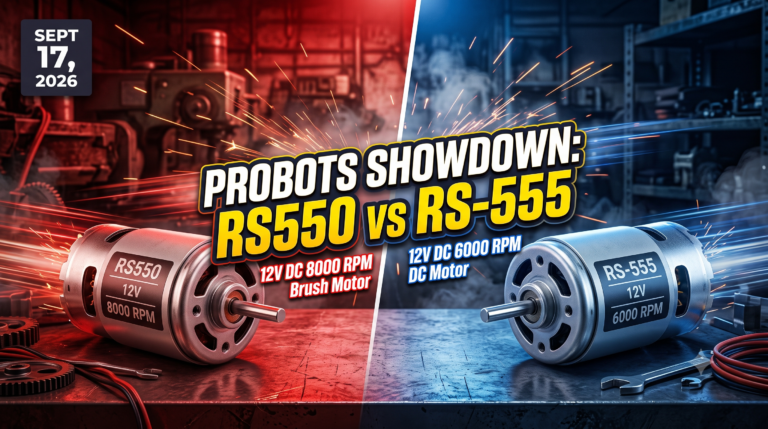
Showdown: RS550 12V DC 8000 vs RS-555 12V DC 6000 RPM DC Motor
Vol. 56 | The Heavyweight DC Drivetrain Duel Reliability isn’t optional when you’re designing actuators that need to move actual steel or
Read Article →
| Bulk Pricing | ||
|---|---|---|
| QTY | Unit Price(Inlc. GST) | |
| 25+ | ₹95.06 ₹ 80.56 + 14.5 GST | |
| 50+ | ₹94.09 ₹ 79.74 + 14.35 GST | |
| 75+ | ₹93.12 ₹ 78.92 + 14.21 GST | |
| 100+ | ₹91.18 ₹ 77.27 + 13.91 GST | |
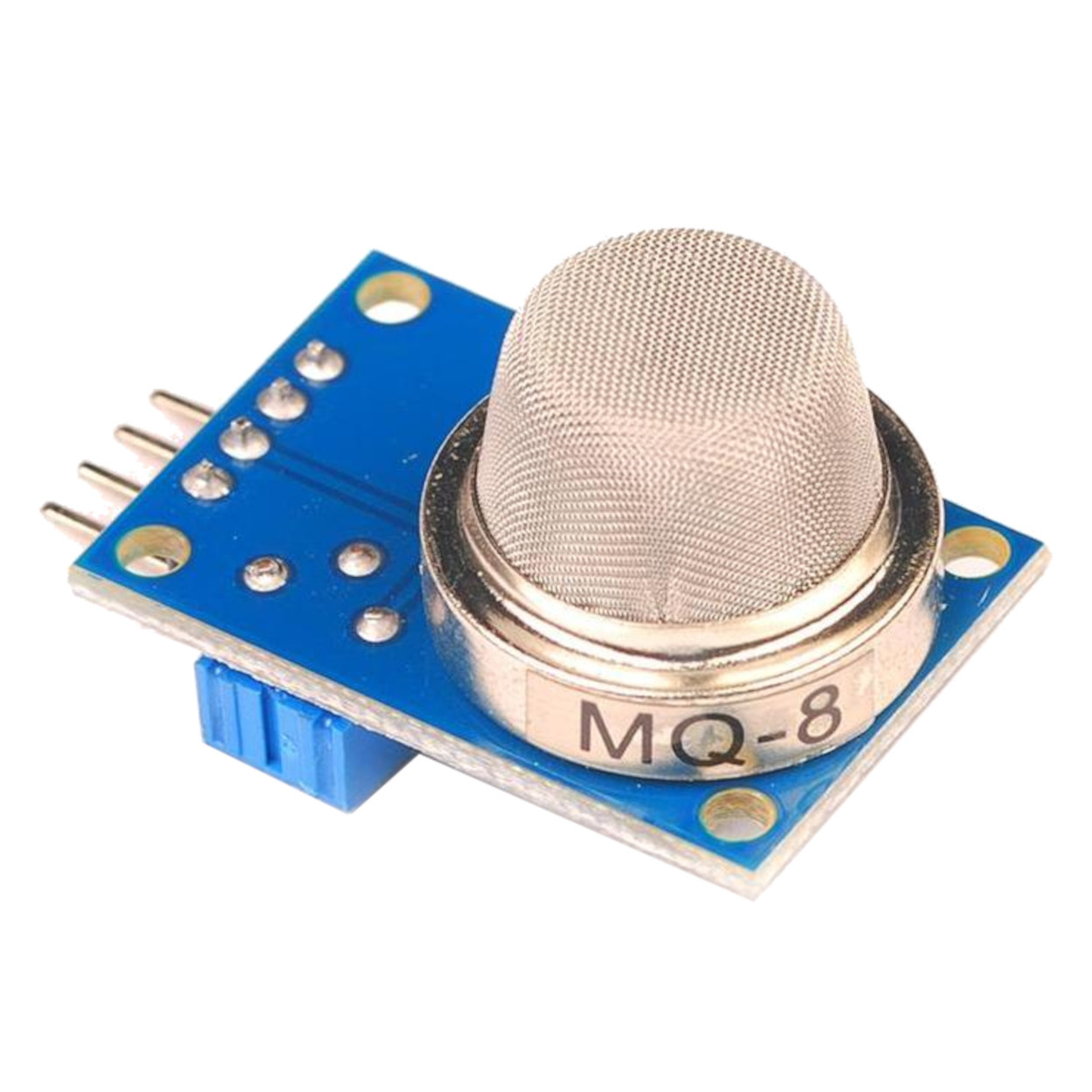
Specialized sensor for detecting Hydrogen (H2) gas. High sensitivity (100-10000ppm) with minimal interference from other gases. Essential for fuel cell and battery safety projects.
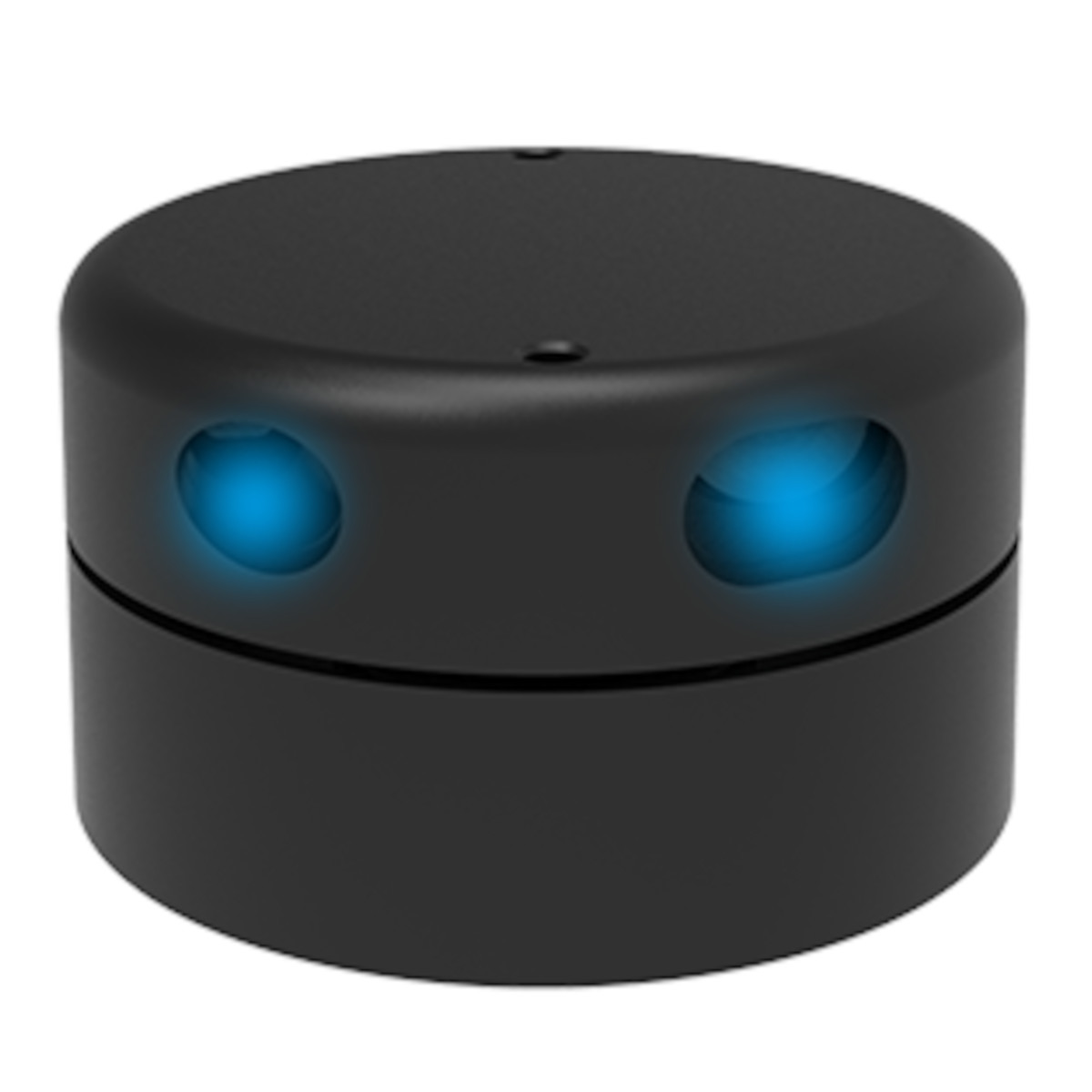 YDLIDAR G2 Triangulation Series Distance Sensor Rangefinder 12M 360° UART ₹12,849.00
 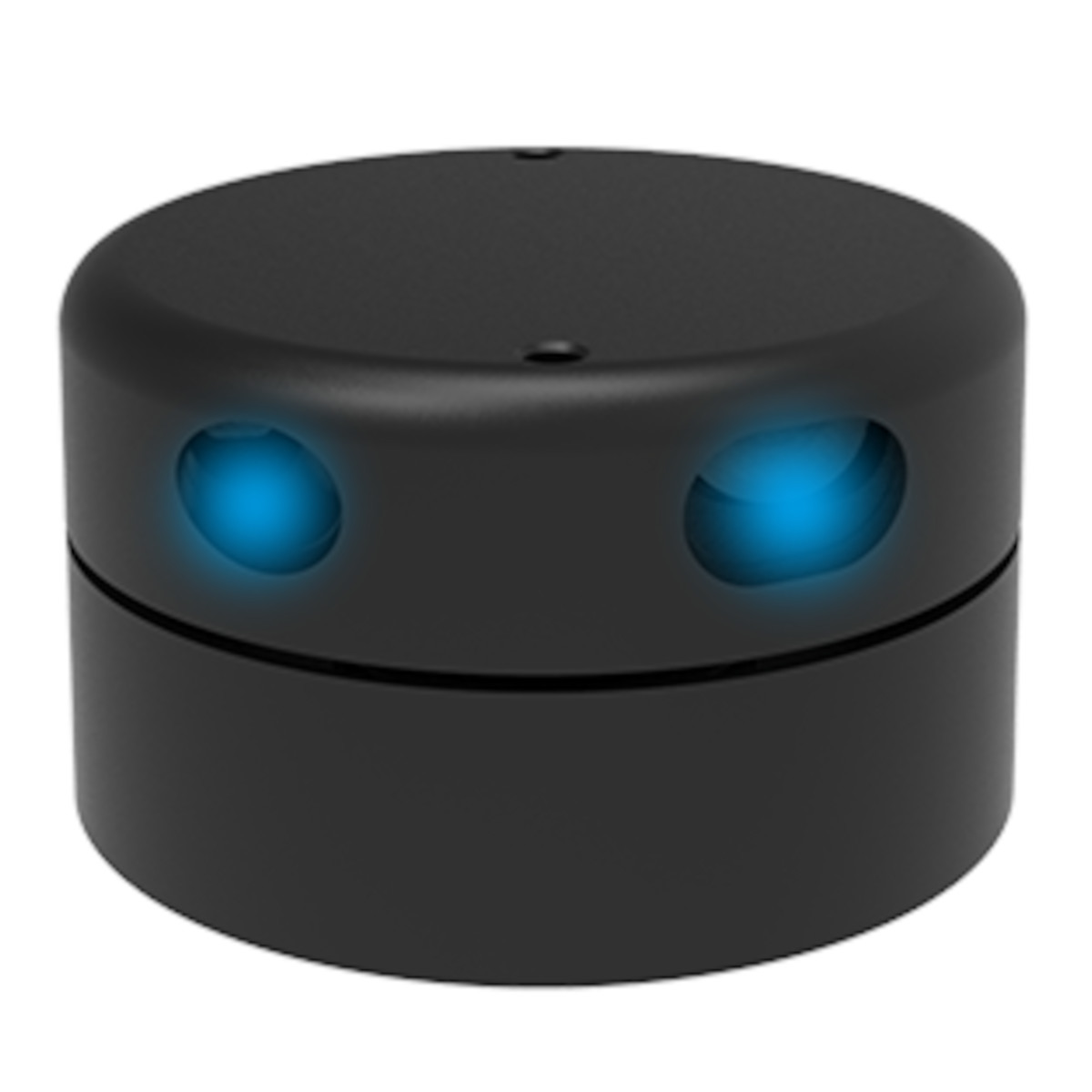 YDLIDAR G4 Triangulation Series Distance Sensor Rangefinder 16M 360° UART ₹29,899.00
 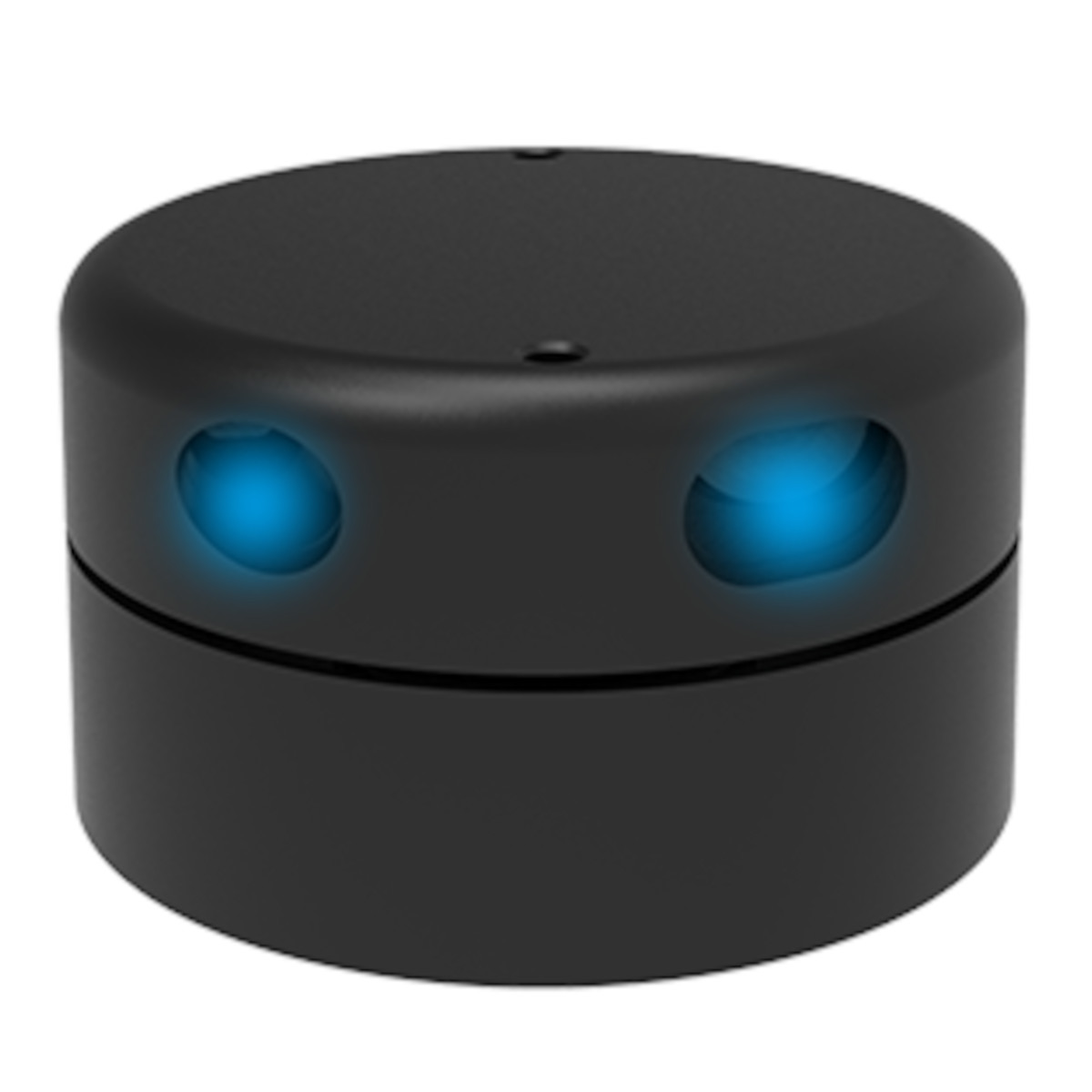 YDLIDAR G6 Triangulation Series Distance Sensor Rangefinder 16M 360° UART ₹33,999.00
 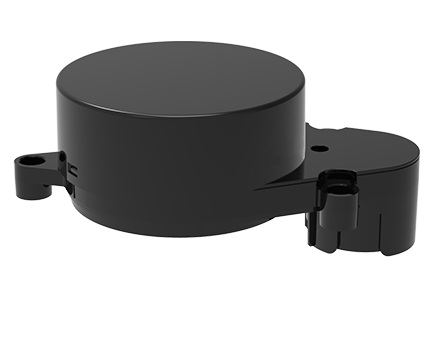 YDLIDAR TSA 360° TOF Omnidirectional LIDAR Distance Sensor 8m UART ₹10,499.00
 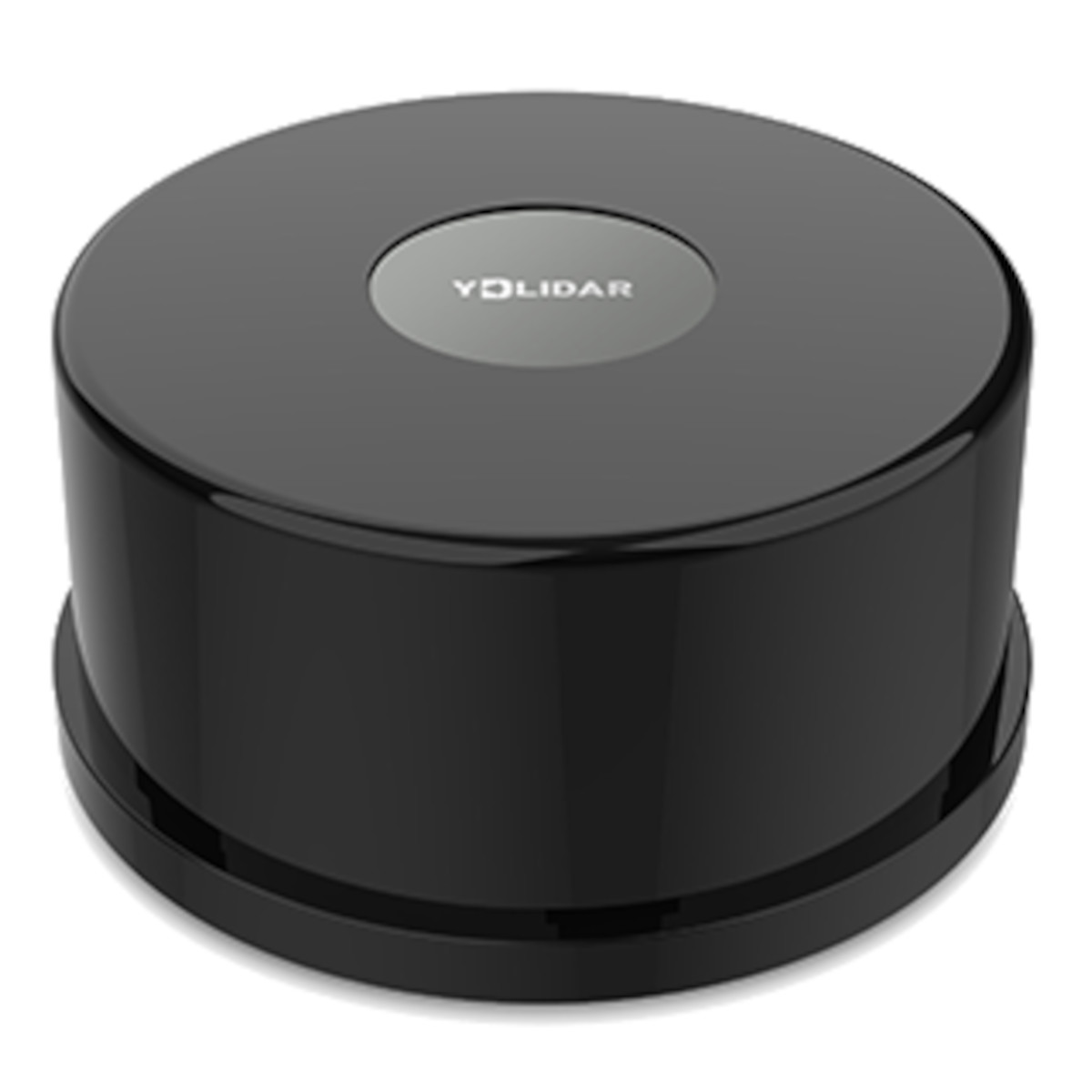 YDLIDAR TG15 ToF Series Distance Sensor Rangefinder 15M 360° UART ₹39,999.00
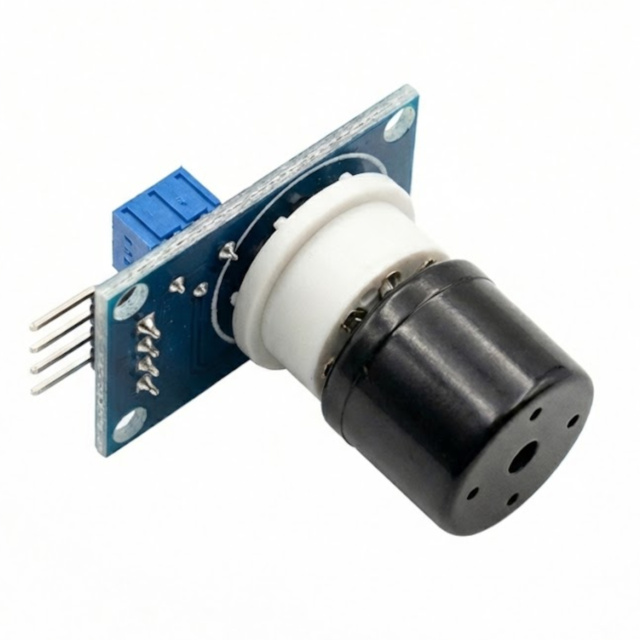
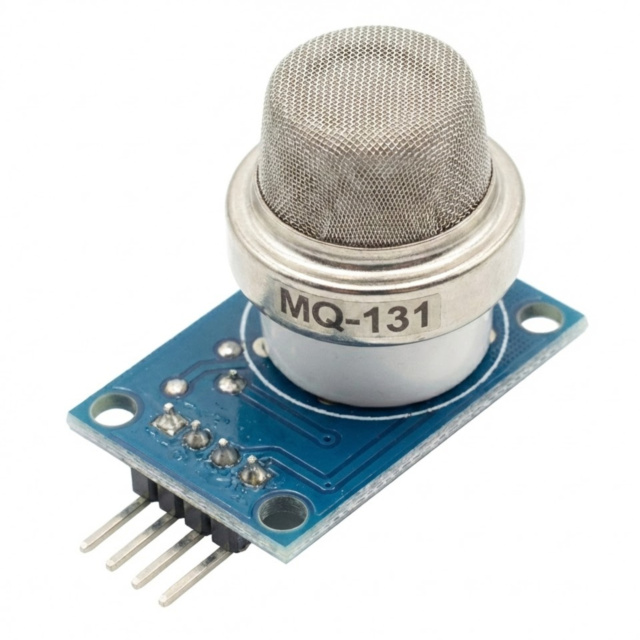
 Working with Hydrogen Fuel Cells or Lead-Acid Batteries? Hydrogen is the fuel of the future, but it is also invisible, odourless, and extremely flammable. The MQ-8 Gas Sensor Module is your first line of defence. Unlike the generic MQ-2 (which reacts to almost everything), the MQ-8 is chemically tuned to be highly selective to Hydrogen (H2), ignoring common interferences like cooking smoke, alcohol, and LPG. This makes it the ideal choice for monitoring battery charging stations (where H2 off-gassing occurs) and experimental fuel cell setups.
The Probots Quality Advantage Hydrogen molecules are tiny and elusive. Detecting them requires a sensor with a perfectly calibrated heater temperature. We utilise Probots™ Lab Verified protocols to test the internal heating element resistance (~31Ω) of our batches. This ensures the sensor reaches the precise operating temperature needed to react with H2 gas. We also use Probots™ Secure-Transit packaging to ensure the stainless steel mesh—critical for preventing external sparks from igniting the gas inside—arrives intact.
Specifications
Target Gas: Hydrogen (H2).
Detection Range: 100ppm – 10,000ppm.
Operating Voltage: 5V DC ±0.1.
Heater Consumption: ~150mA (750mW).
Output Format:
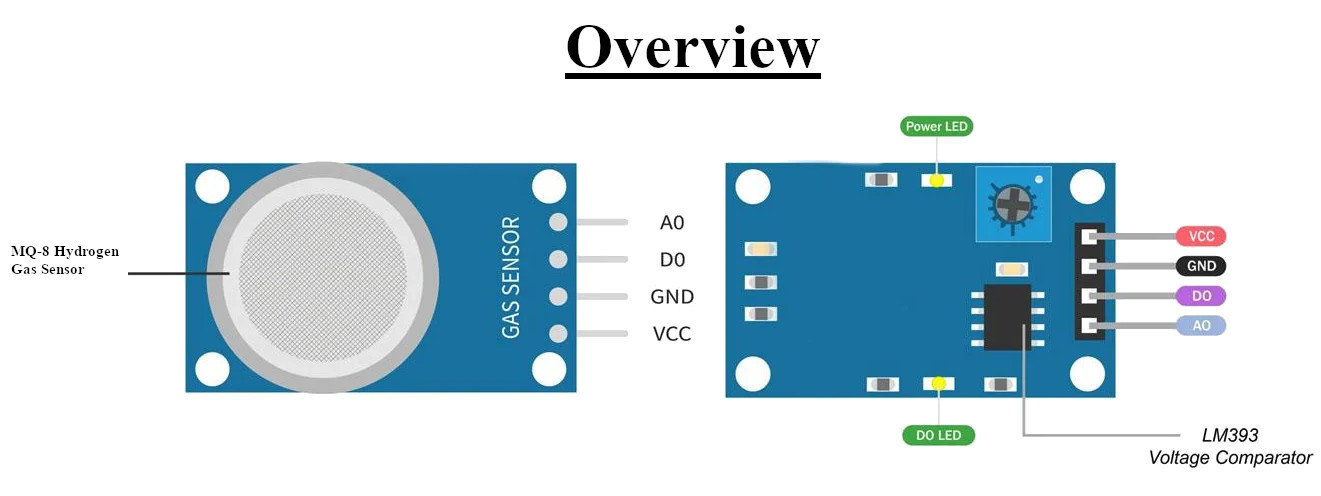
Analogue (A0): Voltage increases linearly with gas concentration.
Digital (D0): Logic High/Low trigger based on adjustable threshold.
Response Time: < 10s.
Dimensions: 32mm x 20mm x 22mm.
Compatibility & Platform Support
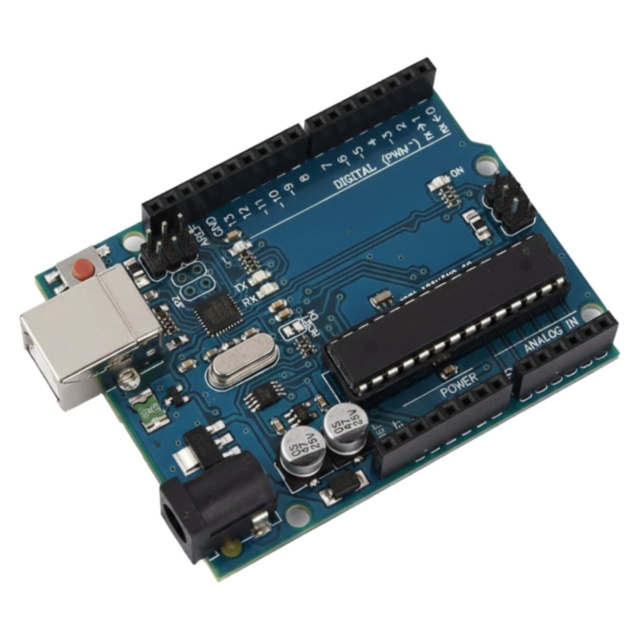
Arduino (Uno/Nano/Mega): Directly Compatible. The 5V logic matches perfectly.
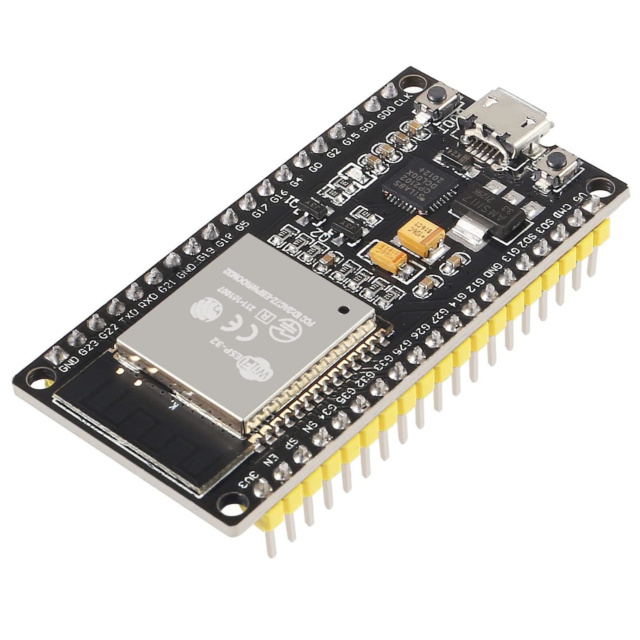
ESP32 / ESP8266: ⚠️ Caution Required. The Analog output typically ranges from 0 to 4V. You MUST use a voltage divider (e.g., 10kΩ & 20kΩ resistors) to drop the signal below 3.3V to avoid damaging the ESP32 ADC.
Raspberry Pi: ⚠️ Requires ADC. The Pi cannot read analogue voltages. Use an external ADC chip (MCP3008) or use the Digital (D0) pin for a simple "Leak / No Leak" alarm.
Key Applications & Projects
Battery Charging Station Monitor: Detect dangerous Hydrogen build-up in enclosed rooms where Lead-Acid or Li-Po batteries are charging.
Hydrogen Fuel Cell Leak Detector: Monitor connections and valves in H2 energy projects.
Industrial Safety Logger: Record H2 levels in chemical processing labs.
Clean Energy Education: Demonstrate hydrogen generation and detection in science classrooms.
Project Evolution
Prerequisites: Basic wiring and reading Analog values.
The Upgrade: Combine this with a Relay Module and an Exhaust Fan.
The Logic: Since Hydrogen is lighter than air, it gathers at the ceiling. Mount the sensor high up. When H2 is detected, the Arduino can trigger the relay to turn on the exhaust fan automatically to clear the room.
Effort Level: Intermediate. Requires careful placement and code logic for "hysteresis" (so the fan doesn't toggle on/off rapidly).
Virtual Technician: Wiring & Safety ⚠️
VCC: Connect to 5V (Stable source required).
GND: Connect to Common Ground.
D0: Connect to Digital Pin (for alarm trigger).
A0: Connect to Analogue Pin (for PPM measurement).
Critical Mounting Tip: Hydrogen is 14x lighter than air. Always mount this sensor high up (near the ceiling) for effective detection. Mounting it low (like an LPG sensor) will fail to detect leaks until the room is already full.
Accessories
Included in the Package: 1 x MQ-8 Hydrogen Gas Sensor Module
Required Accessories (Not Included):
Controller: Arduino Uno or similar.
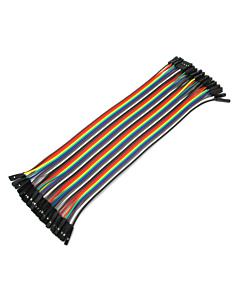
Wires: Female-to-Male Jumper Wires.
Power: 5V 1A Adapter (USB power is okay for testing).
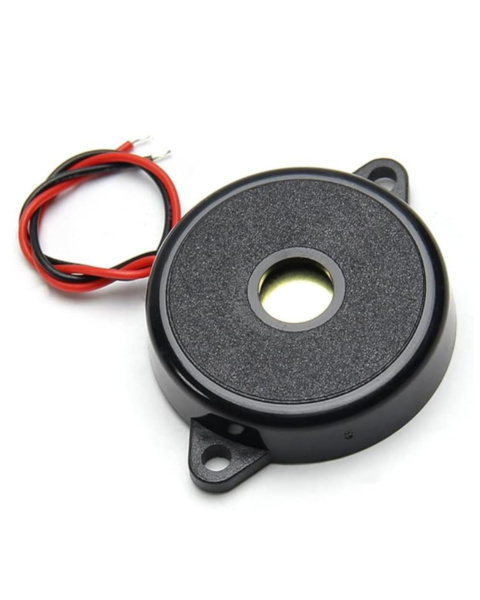
Alert: Active Buzzer (5V).
Frequently Asked Questions (FAQ)
| Operating Voltage: | 5 V |
|---|---|
| Measured Parameter: | Hydrogen (H2) |
| Interface Type: | Analog, Digital (GPIO) |
Probots sells every Electronics Part for your next Project. You can order 10,000+ Electronic Parts Online - Arduino, Raspberry Pi, NodeMCU Development Boards, Sensors, Motors, Motor Drivers, SMPS, Plastic Enclosures etc in India directly on probots.co.in
We delivery electronics components and parts throughout India using standard couriers like Bluedart, Delhivery & India Post.
For order related queries contact -
This item is covered by a warranty of 7 days from the date of delivery, against confirmed manufacturing defects only, as verified by Probots' own testing and investigation. In case of a confirmed defect, we will replace the item — a refund is issued only if a replacement can't be supplied (e.g. discontinued or out of stock). Transit damage or a wrong item received must be reported within 3 days of delivery.
If the product shows signs of misuse, tampering, physical damage, static discharge, liquid or fire damage, use of unapproved chemicals, or has been soldered or physically altered in any way.
China
Probots sells every Electronics Part for your next Project. You can order 10,000+ Electronic Parts Online - Arduino, Raspberry Pi, NodeMCU Development Boards, Sensors, Motors, Motor Drivers, SMPS, Plastic Enclosures etc in India directly on probots.co.in
We offer specialized services for Bulk, Wholesale & B2B Customers like discounted prices, additional shipping options, customised products, etc . Customer with large quantity & regular orders qualify for the specialised discounted rates.
We also offer dedicated sales team to assist you with the order process by providing sales quotations, PI, technical support for choosing products, etc.
Note: Business Orders are processed manually and usually take 1-3 days to process compared to placing the order directly on our website. Please plan your purchases accordingly.
Need Help?
For bulk enquiries contact us by -


Probots Electronics is highly regarded for its highly skilled team and knowledgeable staff who provide expert guidance to ensure customers select the right components for their technical projects. The business maintains a strong reputation for prompt service and reliable support, with many clients praising their quick response times and genuine commitment to customer satisfaction.


A very great place for electronics Such a well maintained shop... Felt good shopping here


Nice

For new developments kit available and they will support till working, and I suggest this place strongly


This place has all the electronic parts students will ever need, staff is friendly and the place is organised.


It was a really nice experience! I was happy to find such a wide range of robotics kits for kids, suitable for different age groups and learning levels.

Excellent experience




Good stuff

Buyed them. But no bargain. Helpful staff.


Available all children school project spears parts like electronics


It was good experience




Staff is very patient and helpful

One of the best place for electronics you will get everything you want! With the best and orginal quality

Very helpful staff and the best place to buy components for projects

Wonderful store with expert service and technically strong people.

Prompt delivery, excellent technical support


Large inventory of electronic components and parts. Well trained service personnel and technicians who can quickly identify and rectify product defect if any. They are a reliable and trustworthy online stores.

A very great place for electronics Such a well maintained shop... Felt good shopping here
Nice
For new developments kit available and they will support till working, and I suggest this place strongly
This place has all the electronic parts students will ever need, staff is friendly and the place is organised.
It was a really nice experience! I was happy to find such a wide range of robotics kits for kids, suitable for different age groups and learning levels.
Excellent experience
Good stuff
Buyed them. But no bargain. Helpful staff.
Available all children school project spears parts like electronics
It was good experience
Staff is very patient and helpful
One of the best place for electronics you will get everything you want! With the best and orginal quality
Very helpful staff and the best place to buy components for projects
Wonderful store with expert service and technically strong people.
Prompt delivery, excellent technical support
Large inventory of electronic components and parts. Well trained service personnel and technicians who can quickly identify and rectify product defect if any. They are a reliable and trustworthy online stores.
● 20 min readVol. 56 | The Heavyweight DC Drivetrain Duel Reliability isn’t optional when you’re designing actuators that need to move actual steel or
Read Article → ● 13 min read
Workbench Vol. 49 🚀 The Project Trifecta: 3 Builds to Start Today We don’t just stock parts; we curate ecosystems. This week’s arrivals are desi
Read Article → ● 18 min read
Vol. 59 | The Battle of the Bite-Sized Boards Picture a project that needs full Linux, networking, and GPIO—but has almost no room for a conventional
Read Article →