















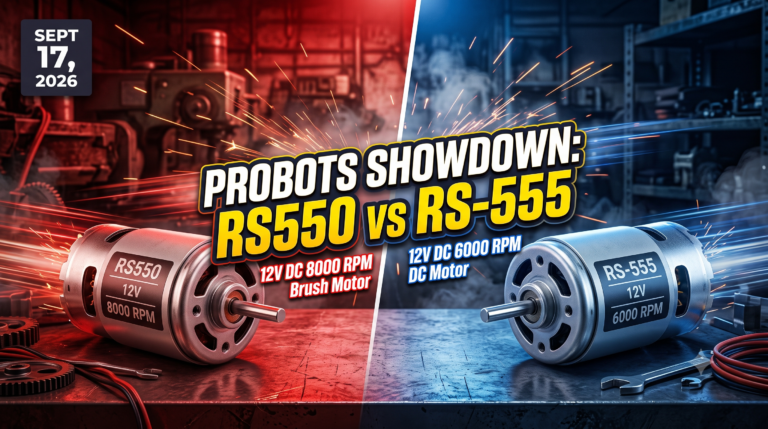
 ● 20 min read
Showdown: RS550 12V DC 8000 vs RS-555 12V DC 6000 RPM DC Motor
Vol. 56 | The Heavyweight DC Drivetrain Duel Reliability isn’t optional when you’re designing actuators that need to move actual steel or
Read Article →
| Bulk Pricing | ||
|---|---|---|
| QTY | Unit Price(Inlc. GST) | |
| 10+ | ₹263.62 ₹ 223.41 + 40.21 GST | |
| 20+ | ₹260.93 ₹ 221.13 + 39.8 GST | |
| 30+ | ₹258.24 ₹ 218.85 + 39.39 GST | |
| 50+ | ₹252.86 ₹ 214.29 + 38.57 GST | |
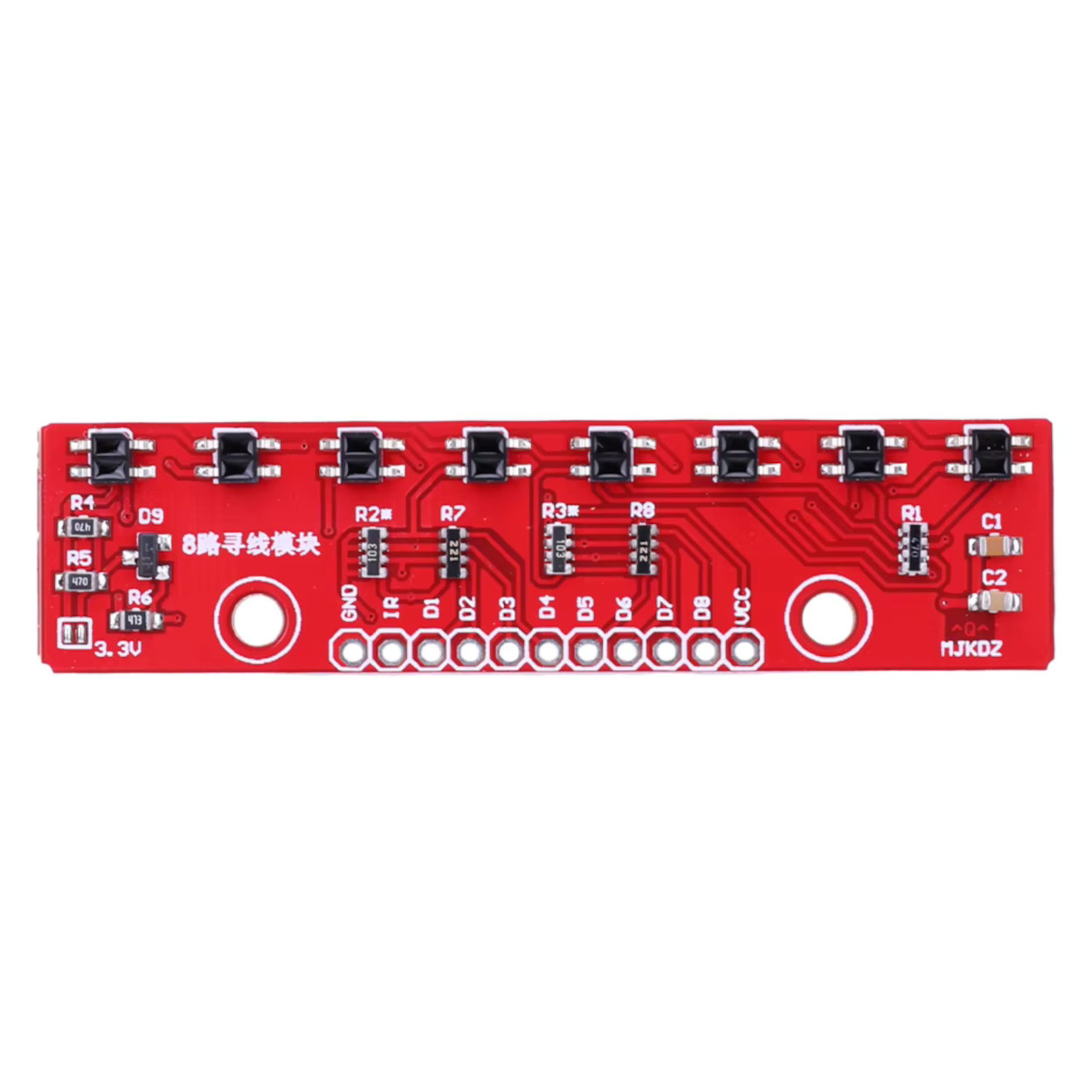
Build high-speed line-following robots with this 8-channel IR array! Features 8 independent infrared detection pairs, 3.3V-5V logic compatibility, and easy digital outputs (D1-D8) for precise tracking.
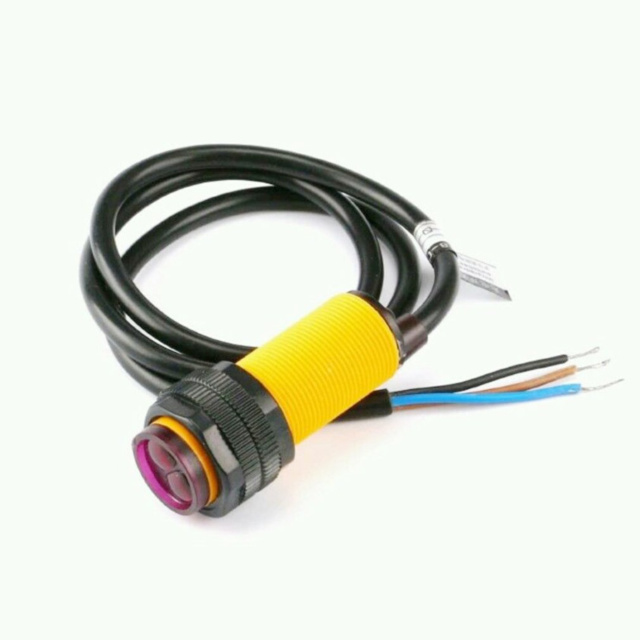
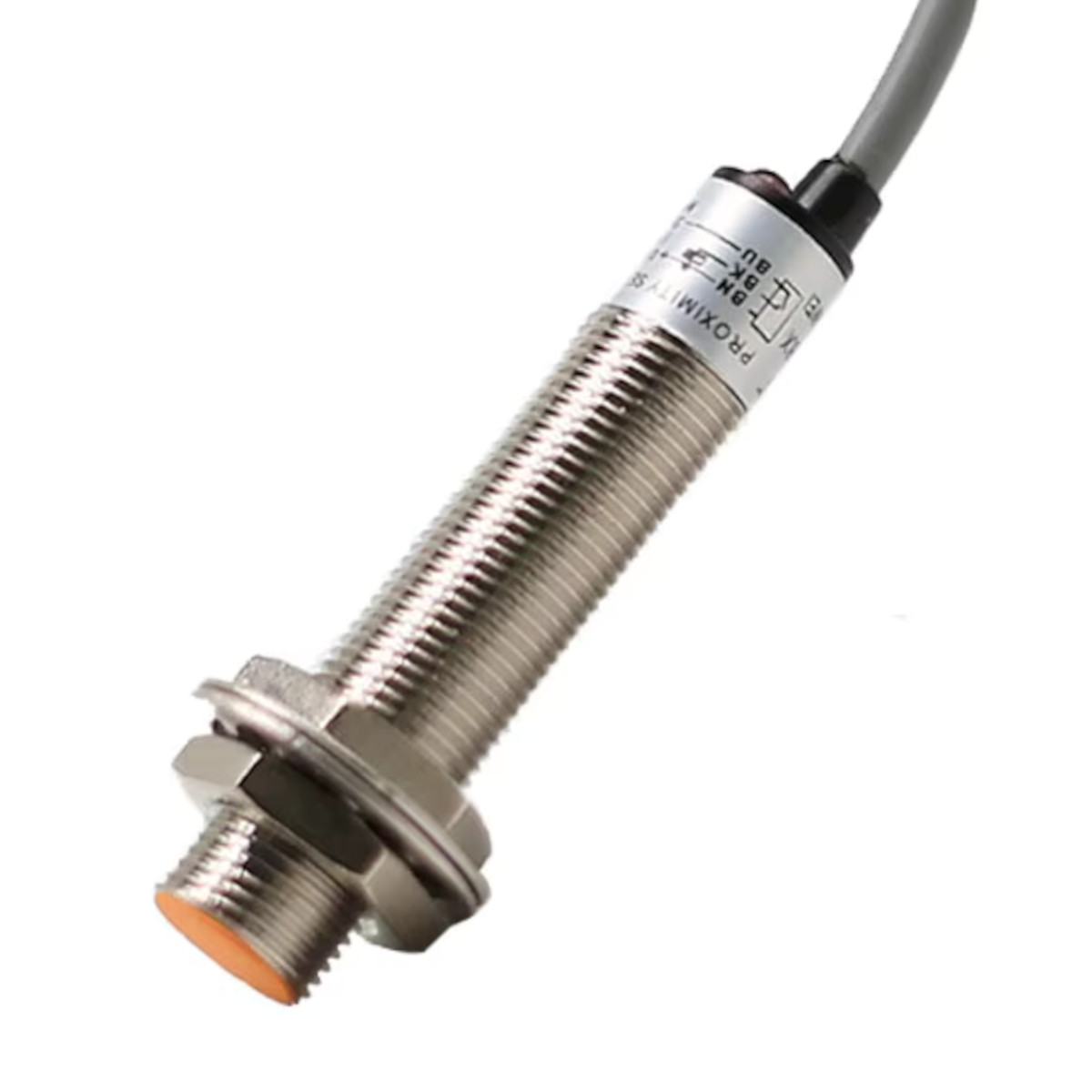 LJ12A3-2 M12 Threaded 6-36VDC 2mm Inductive Proximity Switch Sensor NPN-NO Shielded Flush Type ₹268.00
 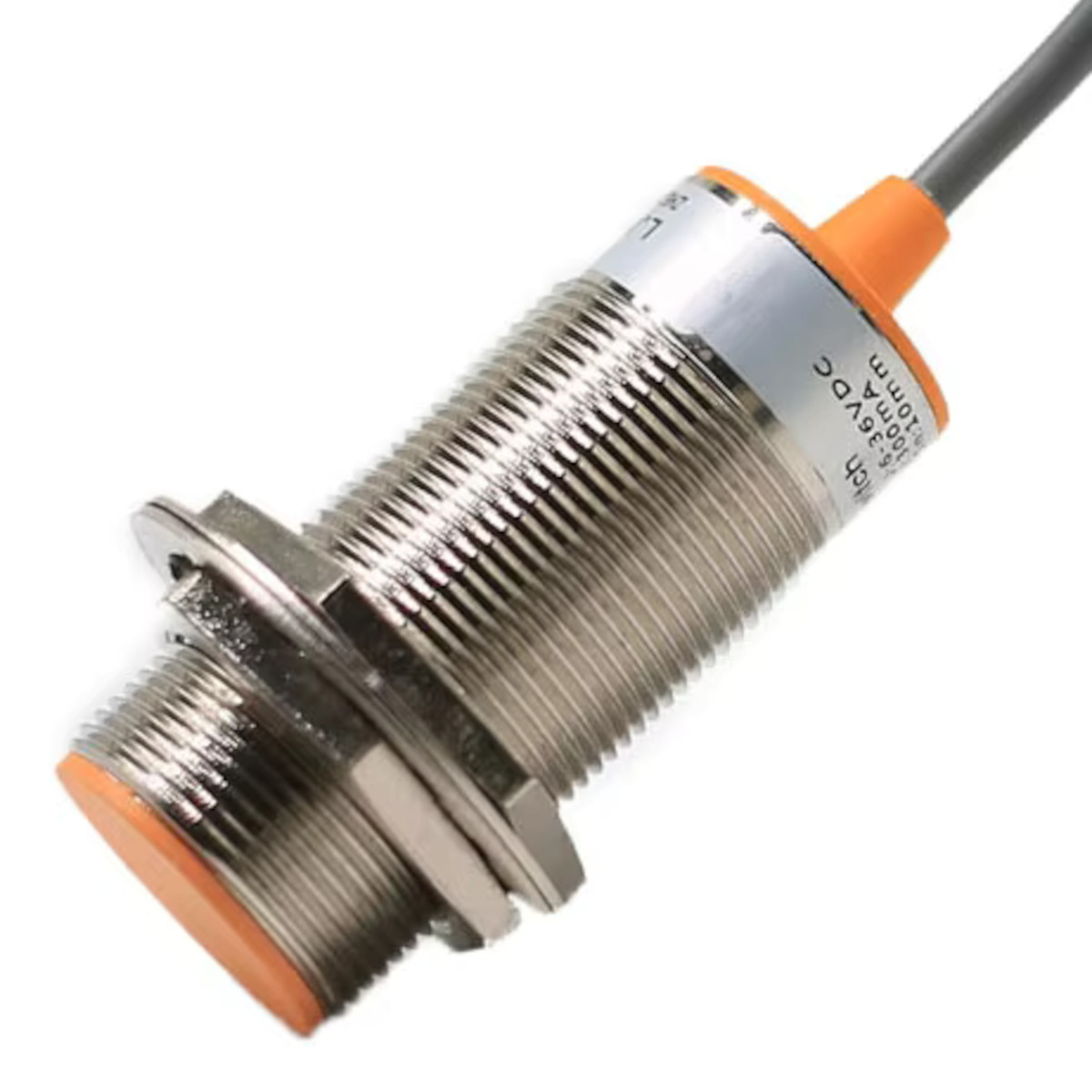 LJ30A3-1 M30 Threaded 6-36VDC 10mm Inductive Proximity Switch Sensor NPN-NO Shielded Flush Type ₹549.00
 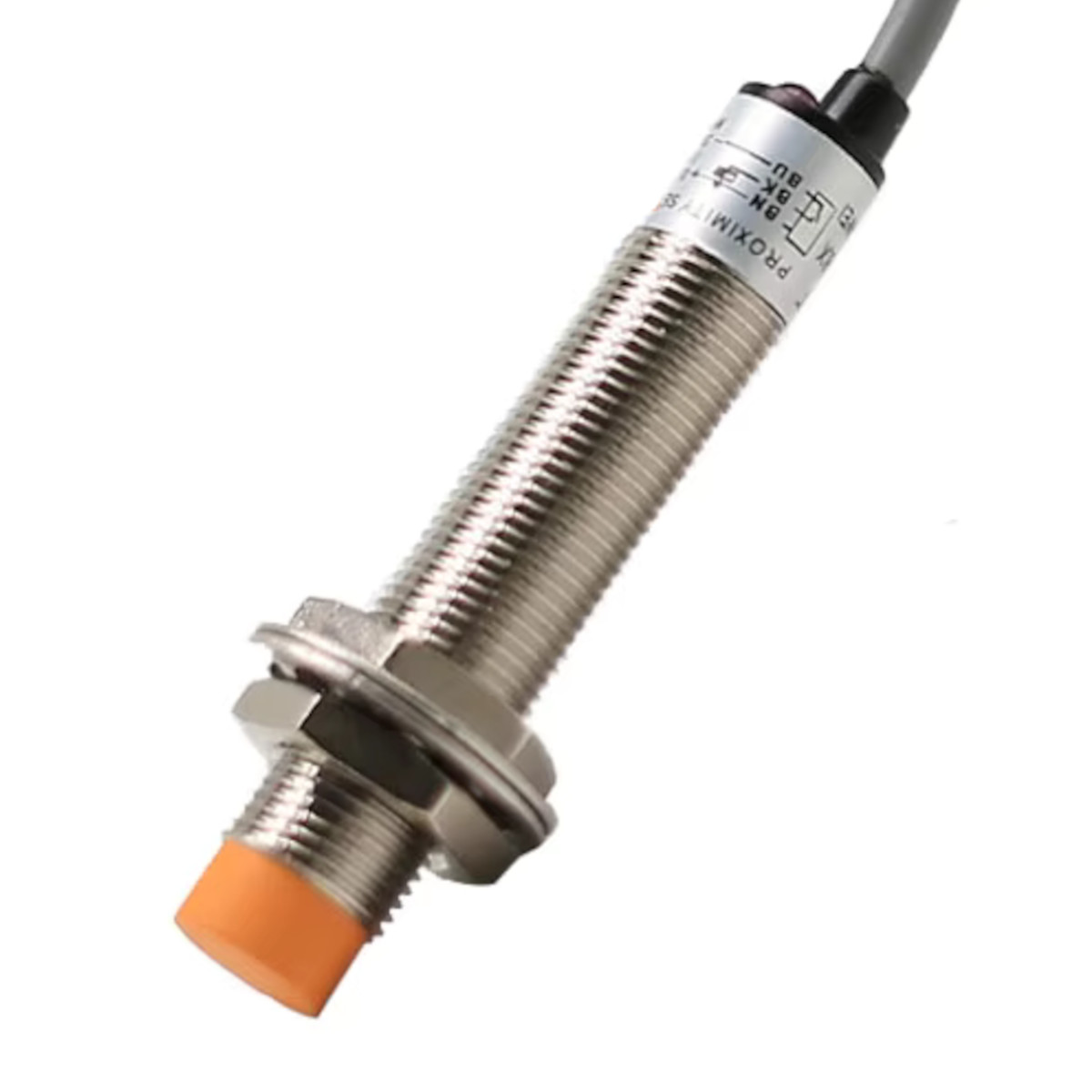 LJ12A3-4 M12 Threaded 6-36VDC 4mm Inductive Proximity Switch Sensor NPN-NO Unshielded Non-Flush Type ₹294.00
 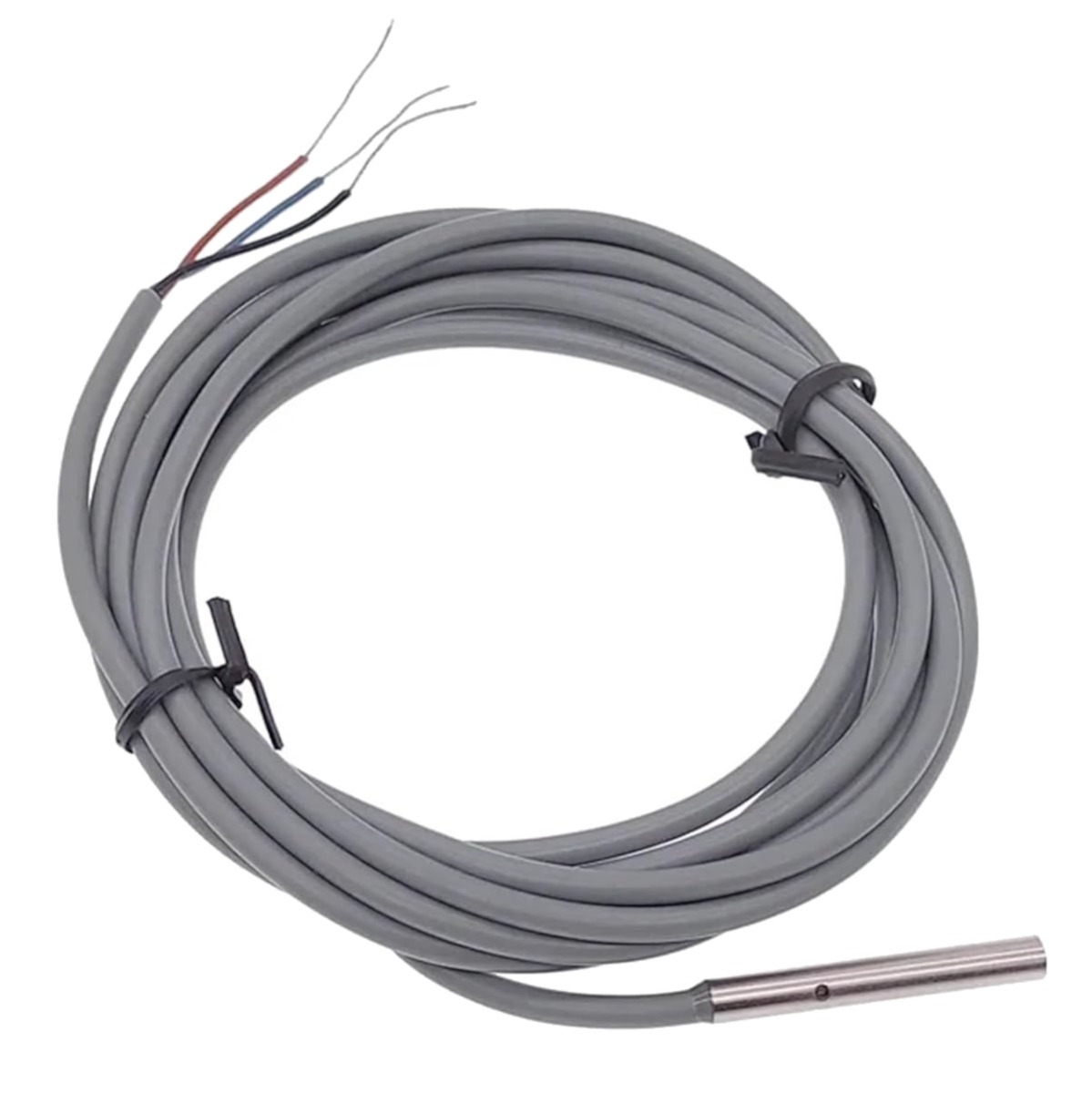 LJ4A2-1-Z/BX M4 Smooth Tube 6-36VDC 1mm Inductive Proximity Switch Sensor NPN-NO Probe Type ₹588.00
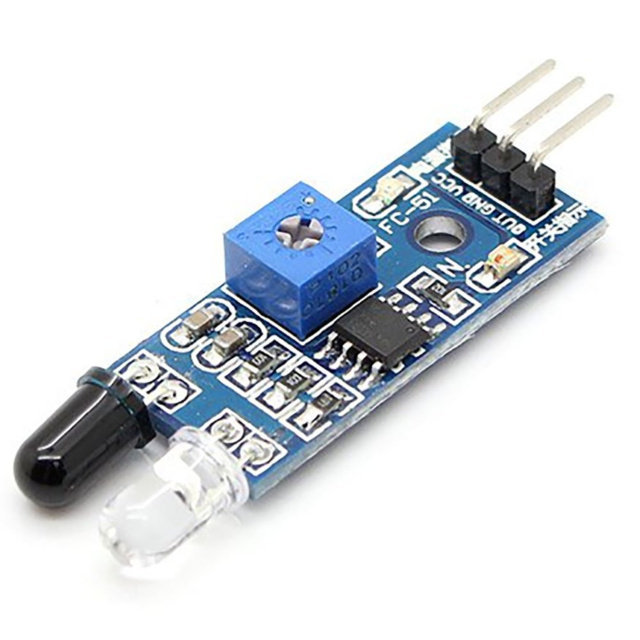
  Multipurpose Infrared Obstacle Sensor ₹70.00
 High-Resolution Tracking To make a robot follow a line smoothly at high speeds, it needs to know exactly where the line is relative to its center. This module solves that by utilizing 8 independent pairs of infrared transmitters and receivers. Arranged in a straight line, these sensors bounce IR light off the floor; white surfaces reflect the light, while black tape absorbs it. By reading which of the 8 sensors are detecting the line, your code can calculate the exact error margin and adjust motor speeds accordingly.
Simple Interface and Integration The module is incredibly easy to wire up. The pins are clearly labeled as GND, IR, D1, D2, D3, D4, D5, D6, D7, D8, and VCC. The D1 through D8 pins provide simple digital outputs (HIGH or LOW) corresponding to each of the 8 sensor pairs. The board features integrated surface-mount resistors, meaning no external components are required to read the signals.
Versatile and Mountable The board is compatible with both 3.3V and 5V microcontrollers, making it perfectly suited for an Arduino Uno, Raspberry Pi, or ESP32. The silkscreen specifically marks "3.3V" near the power traces. To ensure it stays firmly attached to your robot chassis, the PCB includes two strategically placed structural mounting holes. The back of the PCB playfully designates its purpose with the text "sensor lines follow". Depending on the manufacturing batch (such as QYF-750 or MJKDZ), the PCB will arrive in either a bright orange or a deep red color.
Specifications
Operating Voltage: 3.3V to 5V DC
Sensor Count: 8 IR Transmitter/Receiver Pairs
Output Type: Digital (High/Low)
Data Pins: D1, D2, D3, D4, D5, D6, D7, D8
Power Pins: VCC, GND
Mounting: 2x Circular Mounting Holes
PCB Color: Orange or Red (Batch Dependent)
Key Applications and Projects
Advanced Line Followers: Upgrading a standard 2-sensor robot to an 8-sensor array to utilize PID control for smooth, high-speed cornering.
Maze Solving Robots: Using the wide array to detect complex intersections, T-junctions, and dead ends in a grid maze.
Table-Edge Detection: Mounting the array on the front of a sumo robot to ensure it detects the edge of the ring before driving off.
Unlock New Capabilities (Project Evolution) The PID Speedster: Stop programming your robot with simple "if left, turn left" logic! By connecting all 8 digital outputs (D1-D8) to your Arduino, you can assign a weight to each sensor. If the center sensors (D4, D5) see the line, the error is 0. If the far-left sensor (D1) sees the line, the error is -4. By feeding this weighted error into a PID algorithm, your robot will stop making jerky, zigzagging corrections and will instead smoothly curve around tight corners at maximum speed!
1 x 8-Channel IR Sensor Array Module
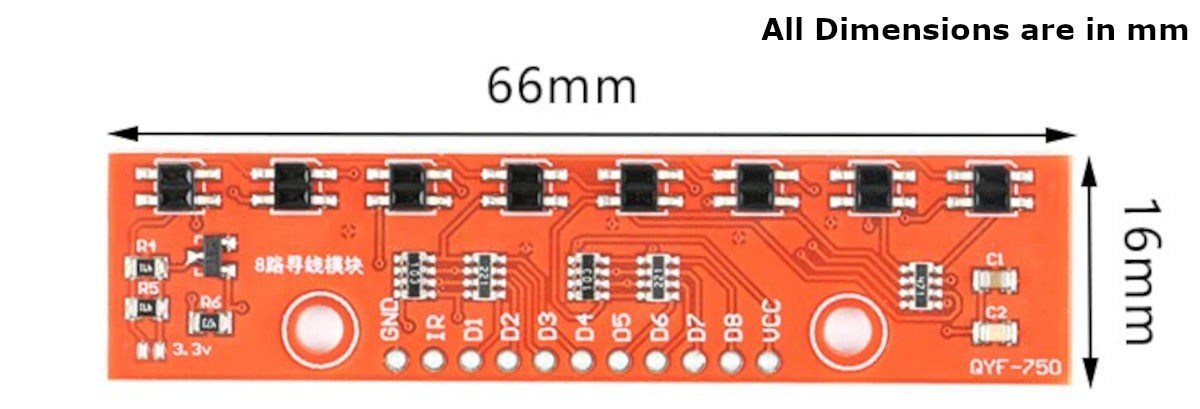
1. How many total infrared sensors are on this board? The board features exactly 8 pairs of infrared transmitters and receivers arranged in a row.
2. What do the pins labeled D1 through D8 do? These are the individual digital data outputs for each of the 8 sensors. They will output a logic HIGH or LOW depending on what the sensor detects.
3. What is the operating voltage of this module? The module is designed to operate on a 3.3V to 5V DC power supply, making it versatile for many different microcontrollers. The board explicitly marks "3.3V" on the front.
4. Does this output analog or digital signals? This specific module outputs digital signals (HIGH or LOW).
5. What is the text printed on the back of the board? The back of the board is printed with the text "sensor lines follow".
6. How do I physically mount this to my robot? The PCB includes two circular mounting holes located between the sensor arrays, allowing you to use standoffs and screws to attach it to your chassis.
7. Can I use this with a 3.3V system like a Raspberry Pi? Yes, because it supports 3.3V logic, it can be safely connected directly to a Raspberry Pi's GPIO pins.
8. What does the "IR" pin do? The IR pin is typically used as an enable/disable pin for the infrared emitters. By driving this pin, you can turn off the IR LEDs to save power when the robot is not moving.
9. Do I need to add my own resistors to the circuit? No, the board is fully populated with necessary surface-mount resistors and components.
10. What do the labels "QYF-750" and "MJKDZ" mean? These are manufacturer or batch identifiers printed on the front of the PCB. Functionally, the boards operate identically.
11. Why does the color of the board vary? Depending on the manufacturing batch, the PCB is produced in either an orange color or a red color.
12. Will this work on a black line over a white background? Yes, this is the standard configuration for line-following robots.
13. Will this work on a white line over a black background? Yes. The sensors simply detect light reflection; you will just need to invert the logic in your microcontroller's code (treating a high signal as the background and a low signal as the line, or vice versa).
14. What is the ideal distance from the ground? Infrared line sensors typically perform best when mounted approximately 1cm to 1.5cm above the tracking surface.
15. Can ambient light affect the sensor readings? Yes. Intense direct sunlight or bright halogen lamps emit high amounts of infrared light, which can blind the receivers and cause false readings.
16. Does this module have a built-in motor driver? No, this is purely a sensor array. You will still need a separate motor driver (like an L298N) to control your robot's wheels.
17. What pins do I connect my power supply to? You provide power to the module using the pins labeled "VCC" (positive) and "GND" (ground).
18. Can this be used for edge detection instead of line following? Absolutely. If mounted on the front edge of a robot, the sensors will read a total loss of reflection if the robot drives over the edge of a table or sumo ring.
19. How does an 8-channel array improve performance over a 2-channel array? A 2-channel array only tells the robot if it is completely off the line to the left or right. An 8-channel array provides a gradient of error, telling the robot exactly how far off the center it is, allowing for proportional steering.
20. Does this board require soldering to use? The board features pre-drilled pinholes for VCC, D1-D8, IR, and GND. Depending on how it ships, you may need to solder a header row to these pins to connect standard jumper wires.
Probots sells every Electronics Part for your next Project. You can order 10,000+ Electronic Parts Online - Arduino, Raspberry Pi, NodeMCU Development Boards, Sensors, Motors, Motor Drivers, SMPS, Plastic Enclosures etc in India directly on probots.co.in
We delivery electronics components and parts throughout India using standard couriers like Bluedart, Delhivery & India Post.
For order related queries contact -
This item is covered by a warranty of 7 days from the date of delivery, against confirmed manufacturing defects only, as verified by Probots' own testing and investigation. In case of a confirmed defect, we will replace the item — a refund is issued only if a replacement can't be supplied (e.g. discontinued or out of stock). Transit damage or a wrong item received must be reported within 3 days of delivery.
If the product shows signs of misuse, tampering, physical damage, static discharge, liquid or fire damage, use of unapproved chemicals, or has been soldered or physically altered in any way.
China
Probots sells every Electronics Part for your next Project. You can order 10,000+ Electronic Parts Online - Arduino, Raspberry Pi, NodeMCU Development Boards, Sensors, Motors, Motor Drivers, SMPS, Plastic Enclosures etc in India directly on probots.co.in
We offer specialized services for Bulk, Wholesale & B2B Customers like discounted prices, additional shipping options, customised products, etc . Customer with large quantity & regular orders qualify for the specialised discounted rates.
We also offer dedicated sales team to assist you with the order process by providing sales quotations, PI, technical support for choosing products, etc.
Note: Business Orders are processed manually and usually take 1-3 days to process compared to placing the order directly on our website. Please plan your purchases accordingly.
Need Help?
For bulk enquiries contact us by -
Probots Electronics is highly regarded for its highly skilled team and knowledgeable staff who provide expert guidance to ensure customers select the right components for their technical projects. The business maintains a strong reputation for prompt service and reliable support, with many clients praising their quick response times and genuine commitment to customer satisfaction.


A very great place for electronics Such a well maintained shop... Felt good shopping here


Nice

For new developments kit available and they will support till working, and I suggest this place strongly


This place has all the electronic parts students will ever need, staff is friendly and the place is organised.


It was a really nice experience! I was happy to find such a wide range of robotics kits for kids, suitable for different age groups and learning levels.

Excellent experience




Good stuff

Buyed them. But no bargain. Helpful staff.


Available all children school project spears parts like electronics


It was good experience




Staff is very patient and helpful

One of the best place for electronics you will get everything you want! With the best and orginal quality

Very helpful staff and the best place to buy components for projects

Wonderful store with expert service and technically strong people.

Prompt delivery, excellent technical support


Large inventory of electronic components and parts. Well trained service personnel and technicians who can quickly identify and rectify product defect if any. They are a reliable and trustworthy online stores.

A very great place for electronics Such a well maintained shop... Felt good shopping here
Nice
For new developments kit available and they will support till working, and I suggest this place strongly
This place has all the electronic parts students will ever need, staff is friendly and the place is organised.
It was a really nice experience! I was happy to find such a wide range of robotics kits for kids, suitable for different age groups and learning levels.
Excellent experience
Good stuff
Buyed them. But no bargain. Helpful staff.
Available all children school project spears parts like electronics
It was good experience
Staff is very patient and helpful
One of the best place for electronics you will get everything you want! With the best and orginal quality
Very helpful staff and the best place to buy components for projects
Wonderful store with expert service and technically strong people.
Prompt delivery, excellent technical support
Large inventory of electronic components and parts. Well trained service personnel and technicians who can quickly identify and rectify product defect if any. They are a reliable and trustworthy online stores.
● 20 min readVol. 56 | The Heavyweight DC Drivetrain Duel Reliability isn’t optional when you’re designing actuators that need to move actual steel or
Read Article →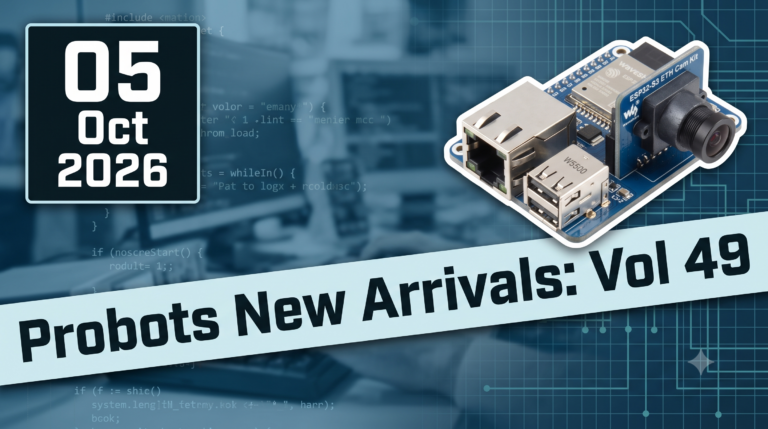 ● 13 min read
Workbench Vol. 49 🚀 The Project Trifecta: 3 Builds to Start Today We don’t just stock parts; we curate ecosystems. This week’s arrivals are desi
Read Article →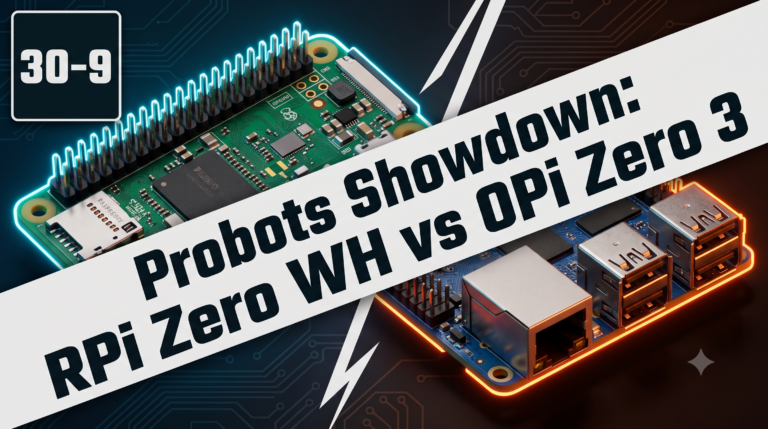 ● 18 min read
Vol. 59 | The Battle of the Bite-Sized Boards Picture a project that needs full Linux, networking, and GPIO—but has almost no room for a conventional
Read Article →