




















 ● 20 min read
Showdown: RS550 12V DC 8000 vs RS-555 12V DC 6000 RPM DC Motor
Vol. 56 | The Heavyweight DC Drivetrain Duel Reliability isn’t optional when you’re designing actuators that need to move actual steel or
Read Article →
| Bulk Pricing | ||
|---|---|---|
| QTY | Unit Price(Inlc. GST) | |
| 2+ | ₹3,429.02 ₹ 2905.95 + 523.07 GST | |
| 4+ | ₹3,394.03 ₹ 2876.3 + 517.73 GST | |
| 6+ | ₹3,359.04 ₹ 2846.64 + 512.4 GST | |
| 10+ | ₹3,289.06 ₹ 2787.34 + 501.72 GST | |
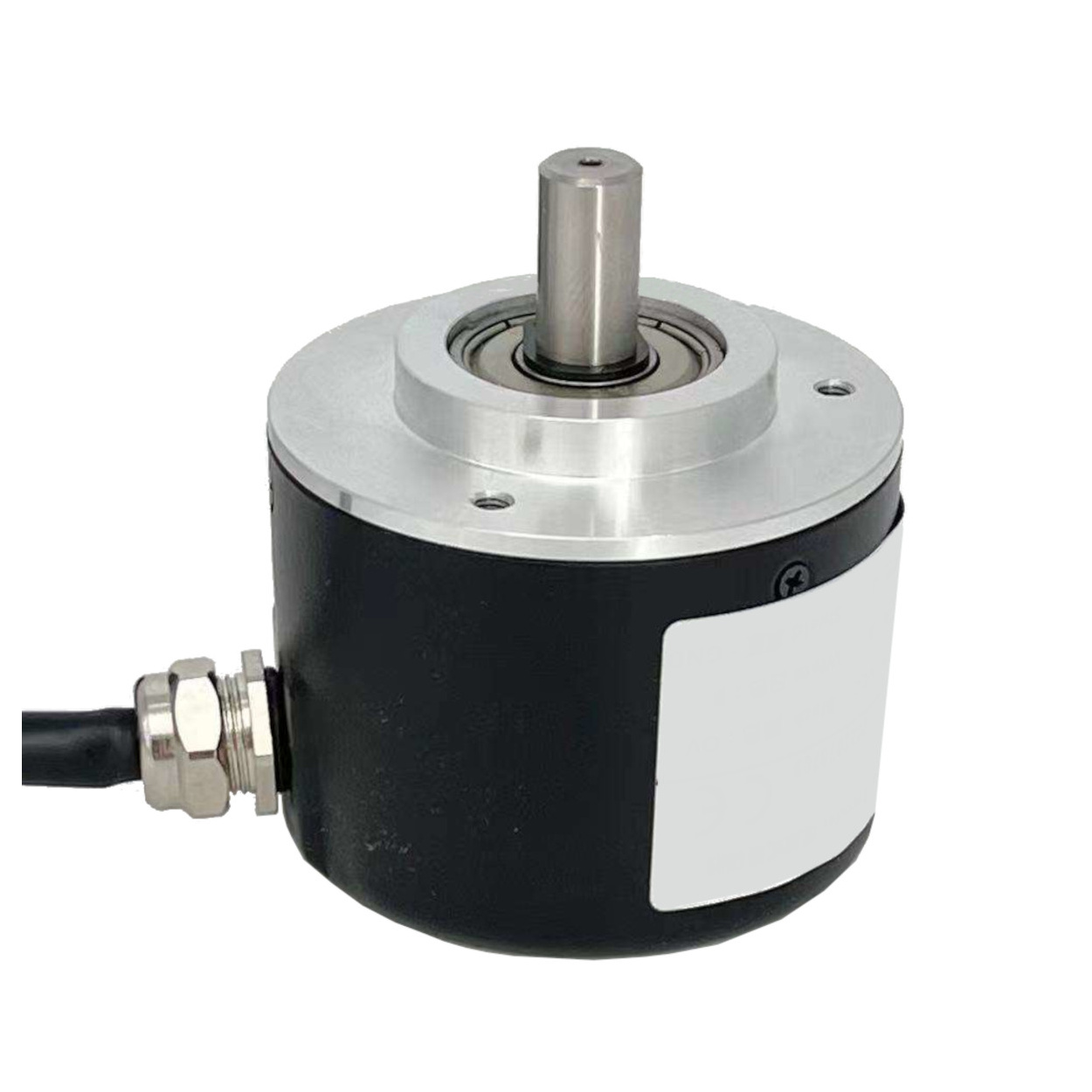
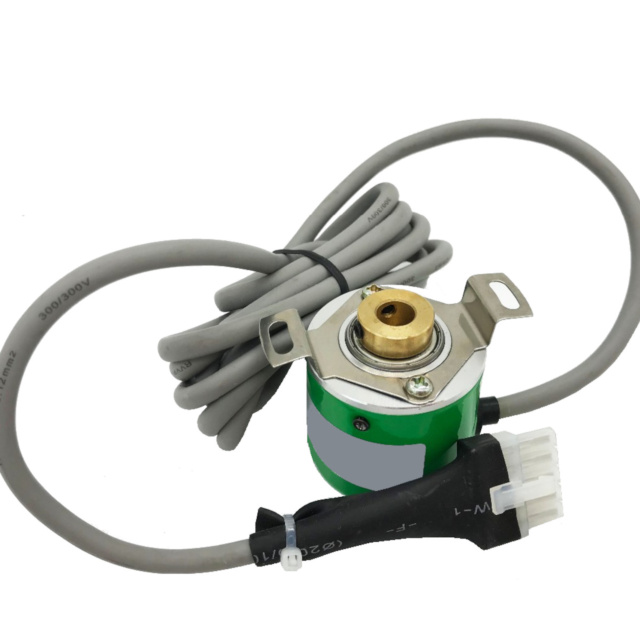
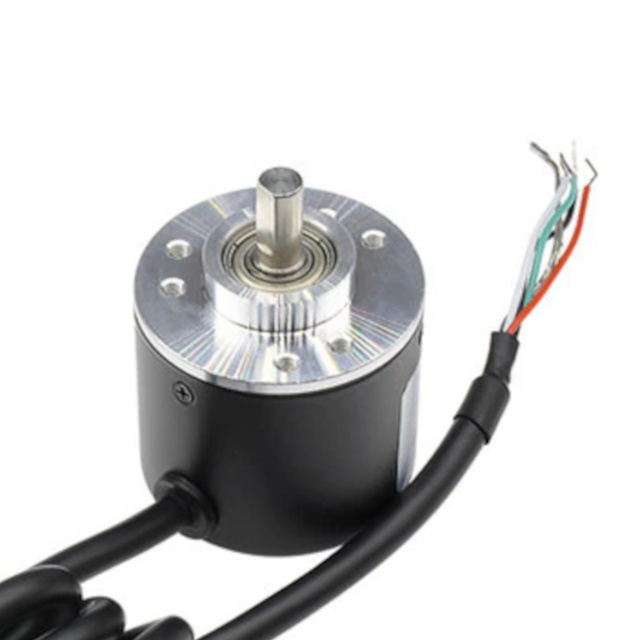
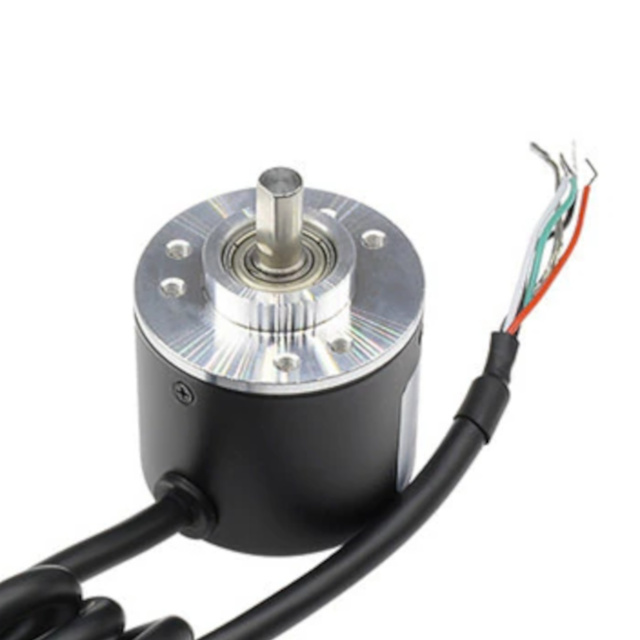
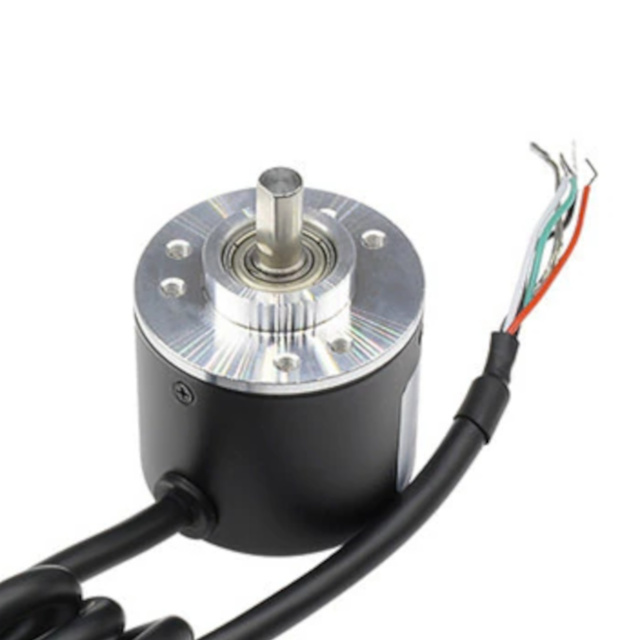
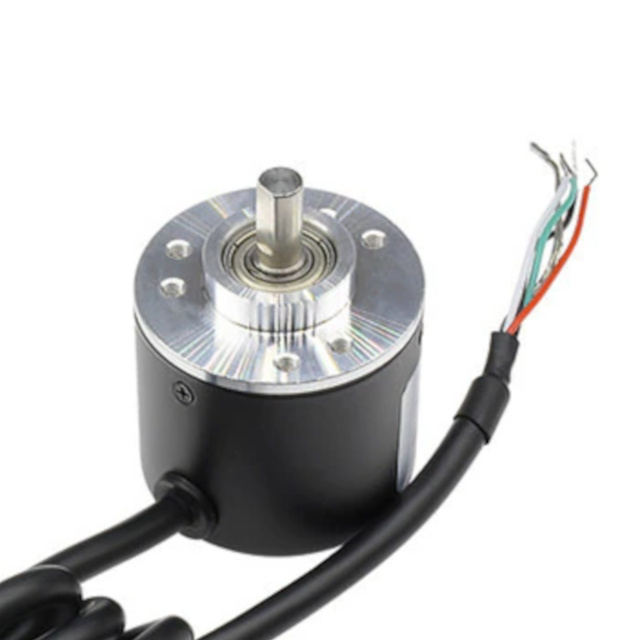
Track rotation with pinpoint accuracy! This industrial incremental encoder features an 8mm solid shaft, 1000 Pulses Per Revolution, and a versatile 5V-24V PNP output. Ideal for PLCs, CNC machines, and heavy-duty automation.
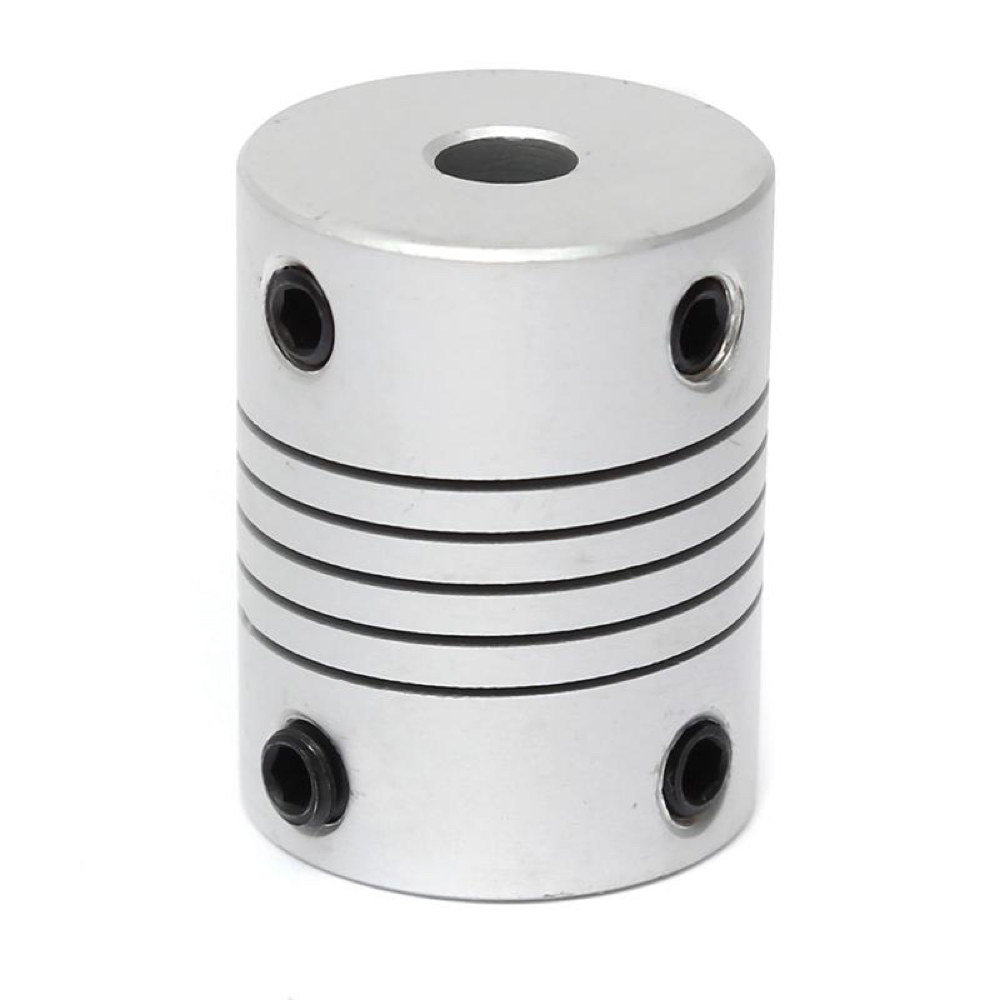 5mm to 8mm Flexible Coupler for 3D Printer CNC Shaft Metal ₹149.00 5mm to 5mm Flexible Coupler for 3D Printer CNC Shaft Metal ₹149.00
  Isolator Cam Operated Rotary Selector Switch S6 B13 6A ON - Off SALZER (L&T) ₹329.00
 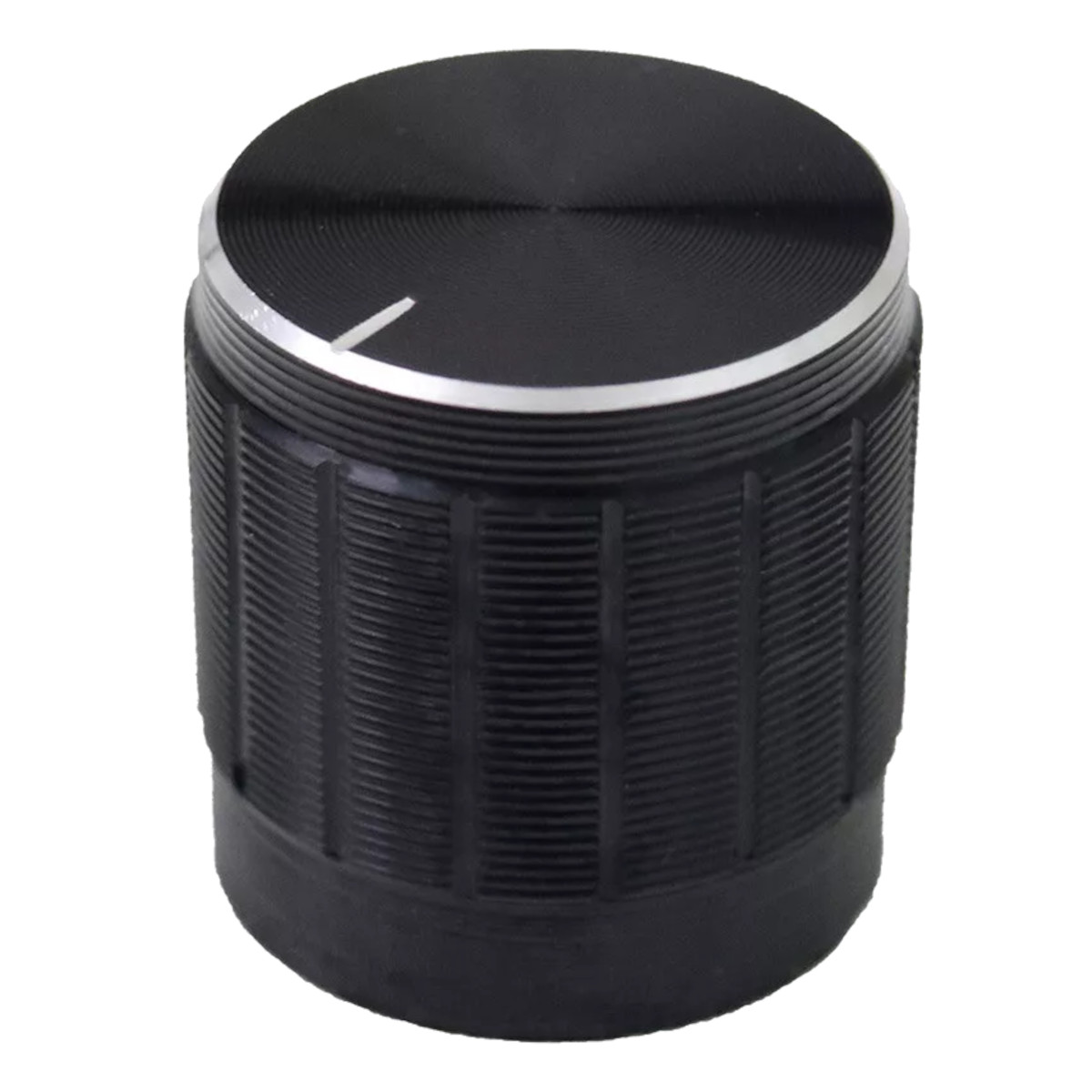 15mm Black Aluminum-Style Potentiometer Knob - Push-Fit for 6mm Knurled/Splined Shaft ₹49.00
  GROW R503 Capacitive Fingerprint Sensor Module UART IP65 ₹2,999.00
 High-Resolution Tracking At the core of this sensor is an optical disk that generates exactly 1000 Pulses Per Revolution (PPR). This means for every full 360-degree turn of the 8mm shaft, the encoder sends 1000 distinct digital pulses to your controller. By reading the offset A and B phase signals (quadrature), your system can not only determine the exact speed and distance traveled but also the precise direction of rotation.
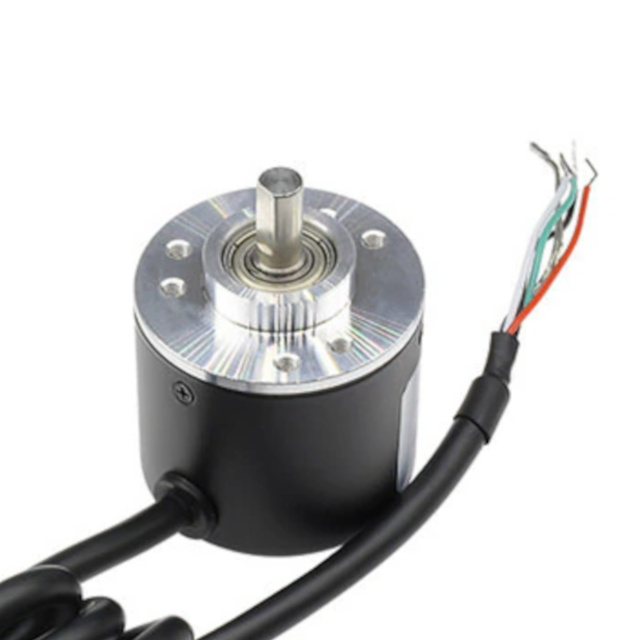
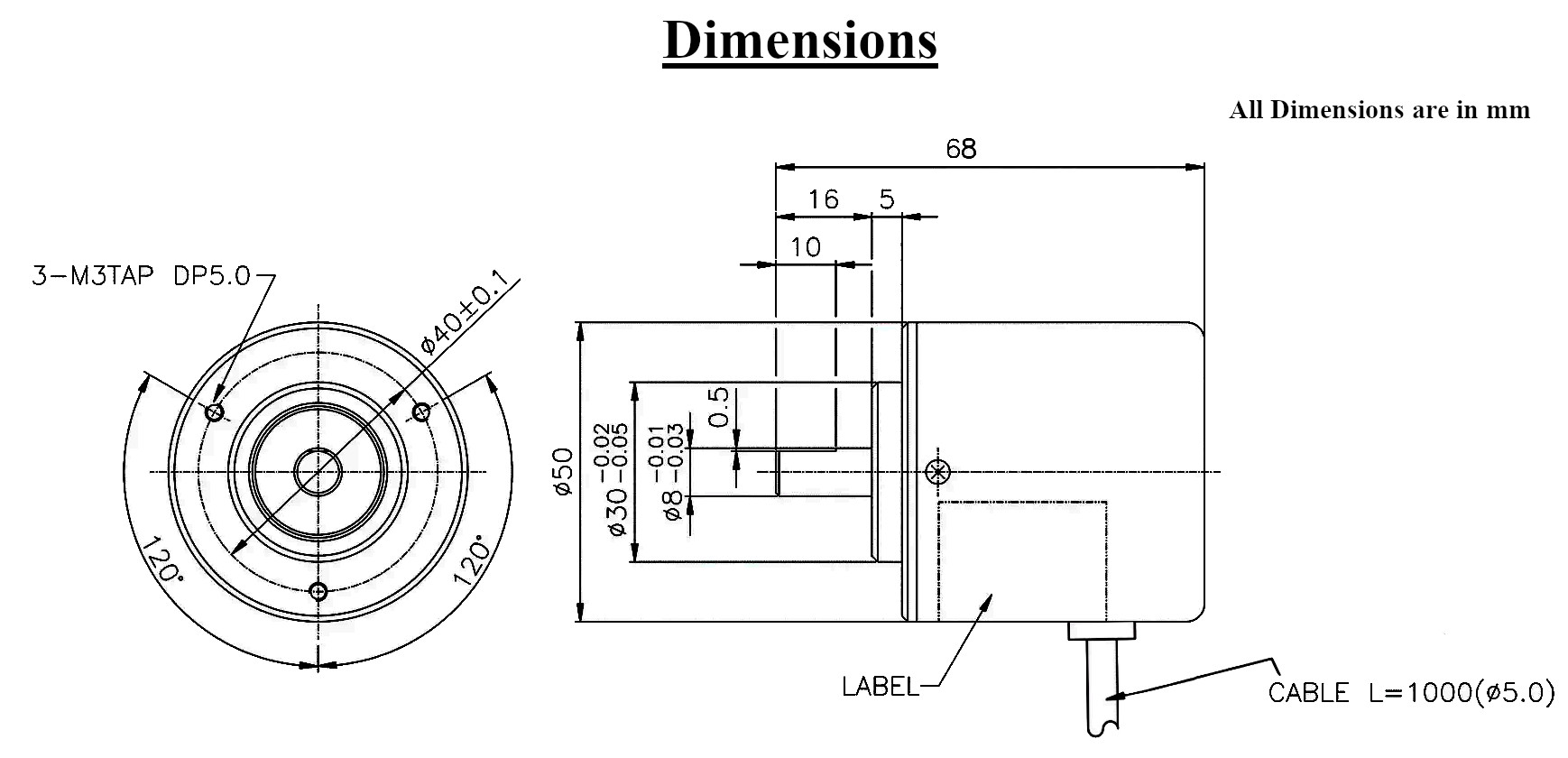
Industrial-Grade Construction This is not a fragile breadboard component. The encoder features a rugged, 50mm diameter aluminum and steel enclosure designed to withstand vibration and dust. The 8mm solid d shaft protrudes 16mm from the faceplate, providing ample room to attach gears, measuring wheels, or flexible couplings. For mounting, the front face features three M3 threaded tapped holes arranged perfectly on a 40mm bolt circle, allowing for rock-solid integration into custom metal brackets or machine frames.
Versatile PNP Output This specific model features a PNP (Sourcing) output and accepts a wide input voltage of 5V to 24V DC. In a PNP setup, when the encoder triggers a pulse, it connects the signal wire directly to the positive supply voltage (VCC). This makes it highly compatible with standard industrial PLCs that expect a 24V "HIGH" signal to register an input. It also features a heavy-duty, built-in cable gland that protects the 1-meter (1000mm) shielded data cable from strain and chafing.
Resolution: 1000 PPR (Pulses Per Revolution)
Operating Voltage: 5V to 24V DC
Output Type: PNP
Shaft Type: Solid Metal D-Shaft
Shaft Diameter: 8mm
Shaft Length: 16mm
Body Diameter: 50mm
Body Length: 68mm
Mounting: 3x M3 Tapped Holes
Cable Length: 1000mm
Cut-to-Length Machines: Attaching a rubber measuring wheel to the 8mm shaft to accurately measure fabrics, wire, or sheet metal as it rolls off a spool, telling the PLC exactly when to activate the cutting blade.
CNC Machining: Providing closed-loop feedback for custom milling machines or lathe spindles to verify actual RPM against target RPM.
Heavy Robotics: Mounting to the joint of a large robotic arm to track the exact physical angle of the limb in real-time.
???? Unlock New Capabilities (Project Evolution)
The Smart Filament Winder: Standard 3D printer filament winders just run blindly. Evolve your setup! Use a flexible coupling to attach this encoder to the spooling axis. Pair it with an Arduino (using a voltage divider if powering at 24V, or just power the encoder with 5V!). Write code that uses hardware interrupts to count the exact number of pulses. Now you can build an automated winder that spools exactly 1.0kg of filament every single time and automatically shuts off the motor!
1 x Incremental Rotary Encoder 1000 PPR (8mm Solid D-Shaft, PNP Output)
1 x Integrated 1-Meter Shielded Cable
What does 1000 PPR mean? PPR stands for Pulses Per Revolution. For every full 360-degree turn of the shaft, the encoder outputs 1000 digital pulses.
What is the diameter of the shaft? The solid metal shaft has an exact diameter of 8mm.
What is a PNP output? PNP is a "sourcing" output. When the encoder sends a pulse, it connects the signal wire internally to your positive power supply (VCC). If you power the encoder with 24V, the signal pulse will be 24V.
Can I use this directly with a 5V Arduino or Raspberry Pi? Yes, BUT with a strict condition: You must power the encoder with 5V. If you power the encoder with 5V, its PNP output will send 5V pulses, which are safe for an Arduino. If you power the encoder with 24V, the PNP output will send 24V pulses, which will instantly destroy your 5V microcontroller.
How do I safely read a 24V PNP signal with a 5V microcontroller? You must use an Optocoupler module or a simple resistor Voltage Divider circuit to step the 24V signal down to a safe 5V logic level.
Does this measure absolute position? No. This is an incremental encoder. It only tracks movement relative to where it started. If power is lost, it forgets its position.
What are the A and B phases? The encoder outputs two separate pulse streams (A and B) that are slightly offset from each other. By reading which pulse hits first, your controller can determine if the shaft is spinning clockwise or counter-clockwise.
Does it have a Z (Index) pulse? Yes, typical industrial incremental encoders have a Z phase. It outputs exactly one pulse per full revolution, which is incredibly useful for "homing" or calibrating a machine.
How do I mount this to my machine? The front silver faceplate features three M3 threaded holes arranged on a 40mm diameter circle. You can bolt this directly behind a custom metal bracket.
Can I connect this solid shaft directly to my motor's shaft? NO. Never rigidly connect two rotating shafts together. Tiny misalignments will destroy the bearings in the encoder. You must use an 8mm flexible coupling (like an aluminum spider coupling) between the motor and the encoder.
How fast can I spin this encoder? Industrial encoders of this type can safely track continuous speeds up to 3000-5000 RPM.
Why is my microcontroller missing pulses at high speeds? 1000 PPR at high RPMs generates thousands of pulses per second. If you are using standard code (like digitalRead in a generic Arduino loop), you will miss pulses. You must use "Hardware Interrupts" in your code to catch every pulse reliably.
How long is the attached wire? The integrated shielded cable is exactly 1000mm (1 Meter) long.
What do the wire colors mean? Typically, Brown/Red is VCC, Blue/Black is GND, Black/Green is Phase A, White is Phase B, and Orange is Phase Z. However, you must always verify the wiring diagram printed on the specific label of the encoder you receive.
Is this encoder waterproof? It is highly dust-resistant and splash-proof (usually IP54 to IP65), but it is not submersible. Do not hit the bearing seal with high-pressure water jets.
Can I cut the shaft to make it shorter? It is highly discouraged. Cutting the shaft can introduce metal shavings into the optical disk or apply excessive vibration that destroys the internal glass components.
Can I put a pulley directly on the shaft? Yes, you can attach a small pulley or measuring wheel. However, try to minimize extreme radial (sideways) load on the shaft to prolong the life of the bearings.
What is the difference between NPN and PNP? An NPN encoder pulls the signal wire down to Ground (GND) when active. A PNP encoder pushes the signal wire up to the positive supply voltage (VCC) when active.
What are the overall dimensions? The main cylindrical body is 50mm in diameter, the body length is 68mm, and the shaft protrudes an additional 16mm.
Does it need a pull-down resistor? Because this is a PNP (sourcing) output, yes, it often requires a pull-down resistor (e.g., 2k to 10k Ohm from the signal line to Ground) on your microcontroller input pin to ensure the signal cleanly returns to 0V between pulses.
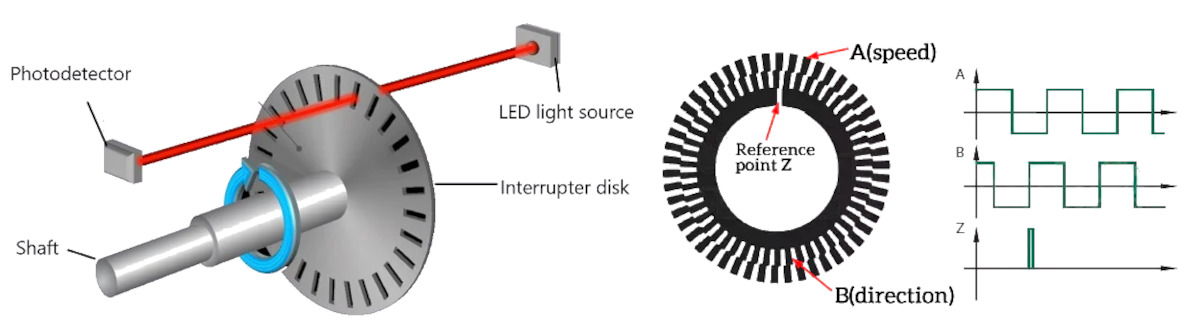
This Video Demonstrates the working principle of the Rotary Encoder
| Voltage | 5-24V DC |
|---|---|
| Shaft Type | Center D-Shaft |
| Pulses Per Revolution (PPR) | 1000 |
| Working Phase | AB two-phase |
| Output Type | PNP |
Probots sells every Electronics Part for your next Project. You can order 10,000+ Electronic Parts Online - Arduino, Raspberry Pi, NodeMCU Development Boards, Sensors, Motors, Motor Drivers, SMPS, Plastic Enclosures etc in India directly on probots.co.in
We delivery electronics components and parts throughout India using standard couriers like Bluedart, Delhivery & India Post.
For order related queries contact -
This item is covered by a warranty of 7 days from the date of delivery, against confirmed manufacturing defects only, as verified by Probots' own testing and investigation. In case of a confirmed defect, we will replace the item — a refund is issued only if a replacement can't be supplied (e.g. discontinued or out of stock). Transit damage or a wrong item received must be reported within 3 days of delivery.
If the product shows signs of misuse, tampering, physical damage, static discharge, liquid or fire damage, use of unapproved chemicals, or has been soldered or physically altered in any way.
China
Probots sells every Electronics Part for your next Project. You can order 10,000+ Electronic Parts Online - Arduino, Raspberry Pi, NodeMCU Development Boards, Sensors, Motors, Motor Drivers, SMPS, Plastic Enclosures etc in India directly on probots.co.in
We offer specialized services for Bulk, Wholesale & B2B Customers like discounted prices, additional shipping options, customised products, etc . Customer with large quantity & regular orders qualify for the specialised discounted rates.
We also offer dedicated sales team to assist you with the order process by providing sales quotations, PI, technical support for choosing products, etc.
Note: Business Orders are processed manually and usually take 1-3 days to process compared to placing the order directly on our website. Please plan your purchases accordingly.
Need Help?
For bulk enquiries contact us by -
Probots Electronics is highly regarded for its highly skilled team and knowledgeable staff who provide expert guidance to ensure customers select the right components for their technical projects. The business maintains a strong reputation for prompt service and reliable support, with many clients praising their quick response times and genuine commitment to customer satisfaction.


A very great place for electronics Such a well maintained shop... Felt good shopping here


Nice

For new developments kit available and they will support till working, and I suggest this place strongly


This place has all the electronic parts students will ever need, staff is friendly and the place is organised.


It was a really nice experience! I was happy to find such a wide range of robotics kits for kids, suitable for different age groups and learning levels.

Excellent experience




Good stuff

Buyed them. But no bargain. Helpful staff.


Available all children school project spears parts like electronics


It was good experience




Staff is very patient and helpful

One of the best place for electronics you will get everything you want! With the best and orginal quality

Very helpful staff and the best place to buy components for projects

Wonderful store with expert service and technically strong people.

Prompt delivery, excellent technical support


Large inventory of electronic components and parts. Well trained service personnel and technicians who can quickly identify and rectify product defect if any. They are a reliable and trustworthy online stores.

A very great place for electronics Such a well maintained shop... Felt good shopping here
Nice
For new developments kit available and they will support till working, and I suggest this place strongly
This place has all the electronic parts students will ever need, staff is friendly and the place is organised.
It was a really nice experience! I was happy to find such a wide range of robotics kits for kids, suitable for different age groups and learning levels.
Excellent experience
Good stuff
Buyed them. But no bargain. Helpful staff.
Available all children school project spears parts like electronics
It was good experience
Staff is very patient and helpful
One of the best place for electronics you will get everything you want! With the best and orginal quality
Very helpful staff and the best place to buy components for projects
Wonderful store with expert service and technically strong people.
Prompt delivery, excellent technical support
Large inventory of electronic components and parts. Well trained service personnel and technicians who can quickly identify and rectify product defect if any. They are a reliable and trustworthy online stores.
● 20 min readVol. 56 | The Heavyweight DC Drivetrain Duel Reliability isn’t optional when you’re designing actuators that need to move actual steel or
Read Article → ● 13 min read
Workbench Vol. 49 🚀 The Project Trifecta: 3 Builds to Start Today We don’t just stock parts; we curate ecosystems. This week’s arrivals are desi
Read Article → ● 18 min read
Vol. 59 | The Battle of the Bite-Sized Boards Picture a project that needs full Linux, networking, and GPIO—but has almost no room for a conventional
Read Article →