
















 ● 20 min read
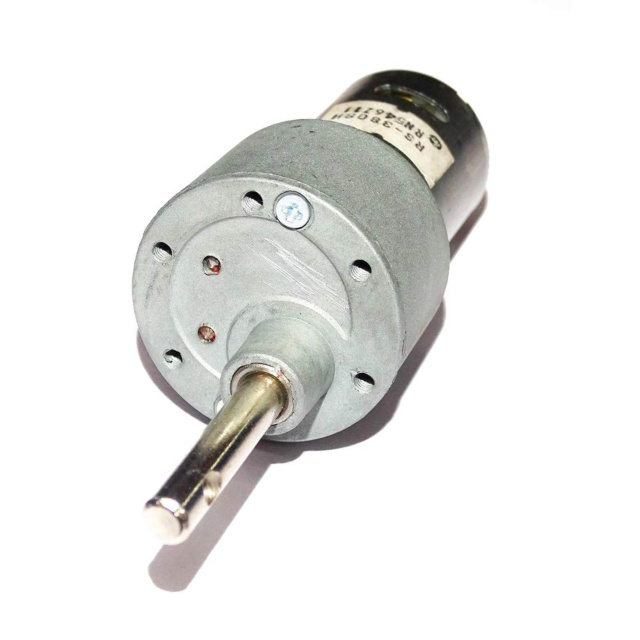
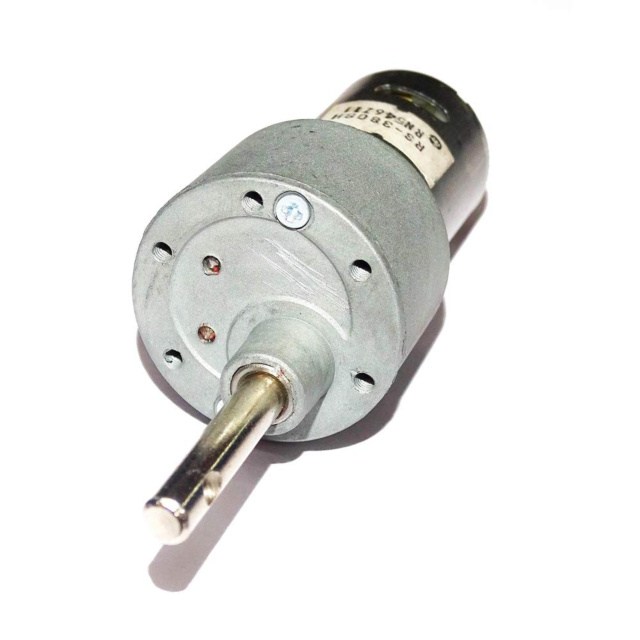
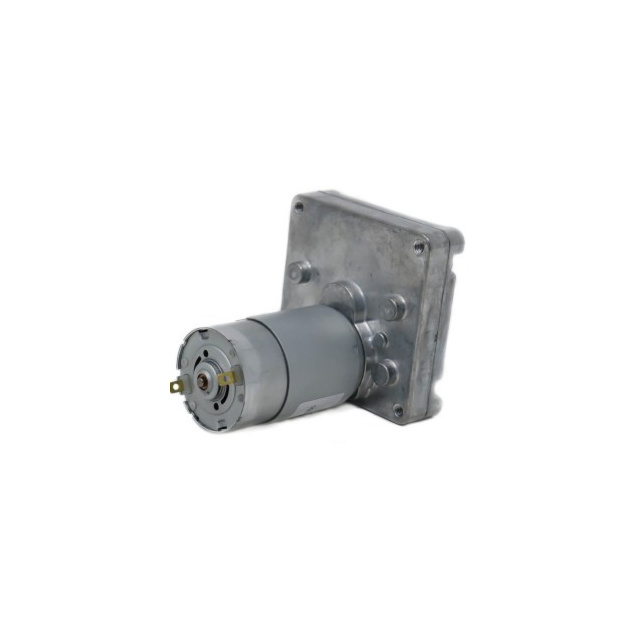
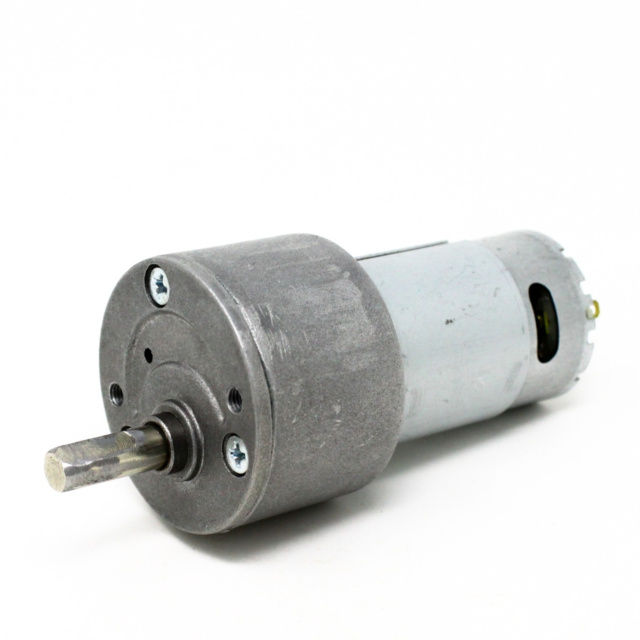
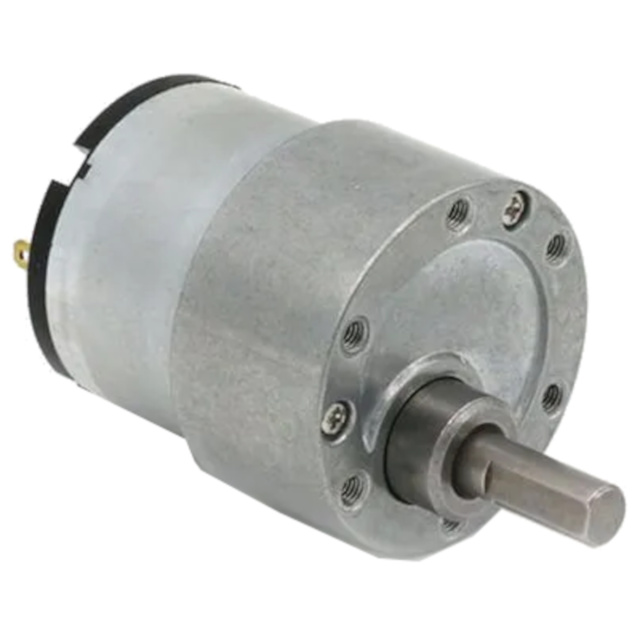
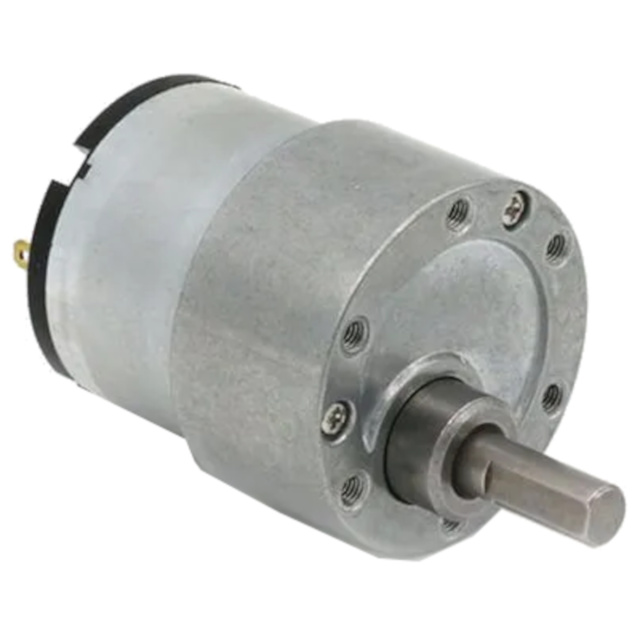
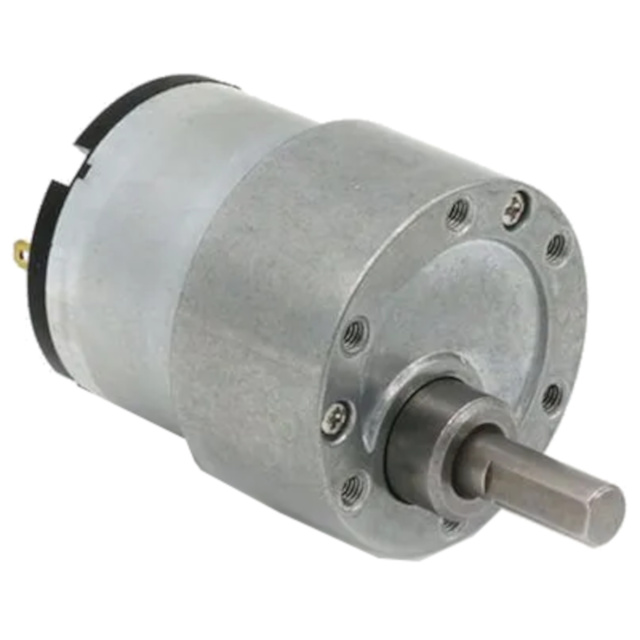
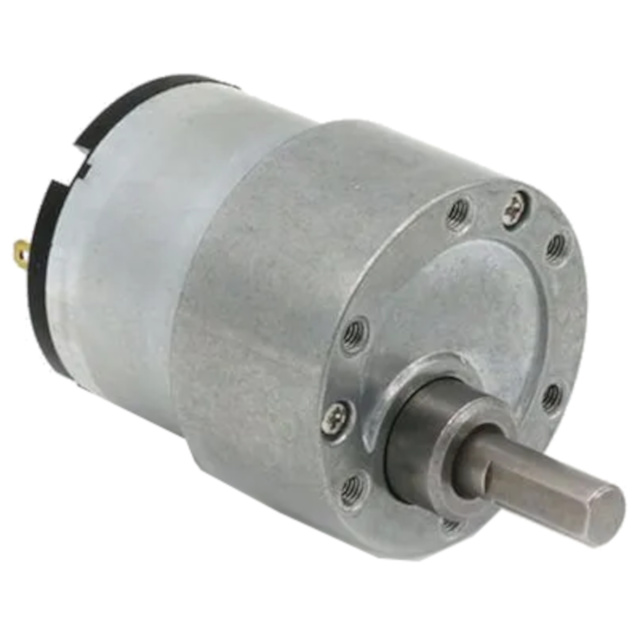
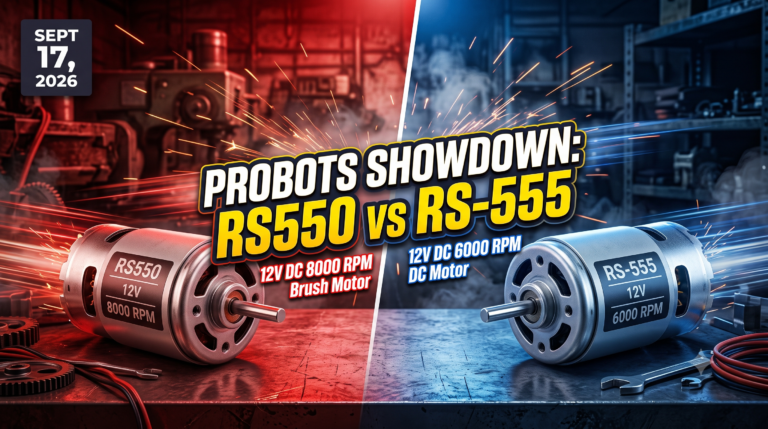
Showdown: RS550 12V DC 8000 vs RS-555 12V DC 6000 RPM DC Motor
Vol. 56 | The Heavyweight DC Drivetrain Duel Reliability isn’t optional when you’re designing actuators that need to move actual steel or
Read Article →
| Bulk Pricing | ||
|---|---|---|
| QTY | Unit Price(Inlc. GST) | |
| 10+ | ₹1,469.02 ₹ 1244.93 + 224.09 GST | |
| 20+ | ₹1,454.03 ₹ 1232.23 + 221.8 GST | |
| 30+ | ₹1,439.04 ₹ 1219.53 + 219.52 GST | |
| 50+ | ₹1,409.06 ₹ 1194.12 + 214.94 GST | |
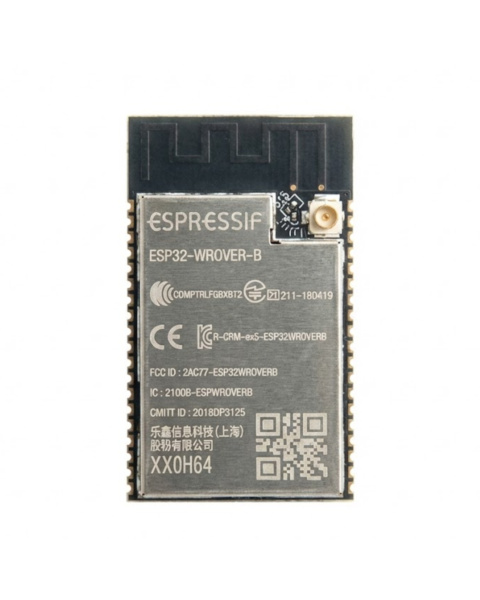
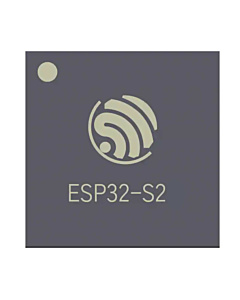
Shrink your custom IoT hardware! The T-Micro32 V2.0 is an ultra-compact bare ESP32 module featuring dual-core processing, 4MB Flash, 2MB PSRAM, and a dual-antenna design (Ceramic & IPEX) in a 13x19mm footprint.
Ultra-Compact Integration When transitioning from a breadboard prototype to a final manufactured product, space is everything. The T-Micro32 V2.0 ditches the bulky USB ports, buttons, and voltage regulators found on typical development boards, leaving only the essential raw power of the ESP32. Measuring just 13.0mm wide, 18.9mm long, and 2.8mm thick, this module can be embedded into smartwatches, tiny sensor housings, or dense mechanical enclosures where a standard ESP32-WROOM simply wouldn't fit.
Dual Antenna Architecture Wireless reliability is crucial for embedded devices. LILYGO designed the V2.0 module with a highly versatile top edge. It features an onboard ceramic antenna for incredibly compact, self-contained Wi-Fi and Bluetooth connections. However, if your project requires mounting inside a metal enclosure or transmitting over long distances, it also includes a tiny u.FL/IPEX connector. This allows you to easily snap on a high-gain external antenna.
Ready for Production This module is designed for hardware engineers and makers ready to fabricate their own PCBs. The perimeter of the T-Micro32 features castellated edges (half-holes). This allows the module to be easily surface-mounted (SMD) onto your custom carrier board using a reflow oven or a hot air rework station. Despite its size, it breaks out a massive array of ESP32 GPIOs, including pins for capacitive touch, ADCs, DACs, and hardware SPI/I2C.
Specifications
Microcontroller: ESP32 (Dual-core, up to 240 MHz)
Wireless: 2.4 GHz Wi-Fi (802.11 b/g/n) & Bluetooth v4.2 BR/EDR and BLE
Flash Memory: 4MB
PSRAM: 2MB
Antenna Options: Onboard Ceramic Antenna & External IPEX Connector
Mounting Style: Surface Mount Device (SMD) Castellated Edges
Dimensions: 18.9mm (L) x 13.0mm (W) x 2.8mm (H)
Key Applications and Projects
Mass Production IoT Hardware: Designing a custom, branded smart plug or light switch and using the T-Micro32 as the primary network brain to save on BOM costs and PCB real estate.
Custom Wearables: Creating a DIY smartwatch or fitness tracker, utilizing the module's tiny footprint and internal ceramic antenna.
Miniature Sensor Nodes: Building microscopic temperature and humidity sensors that can be hidden behind picture frames or under furniture.
Unlock New Capabilities (Project Evolution) The Custom Smart Home Hub: Ready to graduate from buying pre-made boards? Design your own custom PCB using software like KiCad! You can route the T-Micro32 V2.0's castellated pins to a dedicated power management IC, an SD card slot, and custom sensor headers. By creating your own carrier board around this module, you maintain complete control over the form factor, ensuring your final Smart Home Hub looks like a professional, manufactured product rather than a mess of breadboard wires!
1 x LILYGO TTGO T-Micro32 V2.0 Module
Downloads & Links

1. What exactly is the T-Micro32 V2.0? It is a bare ESP32 surface-mount module. Unlike standard development boards, it does not have a USB port, voltage regulator, or buttons. It is meant to be soldered onto your own custom circuit board.
2. How does it differ from an ESP32-WROOM module? The T-Micro32 is significantly smaller than a standard WROOM module (13x18.9mm vs. 18x25.5mm), making it much better suited for highly space-constrained projects.
3. What microcontroller is inside? It utilises the Espressif ESP32 dual-core microprocessor.
4. How much memory does it have? It typically features 4MB of Flash memory and 2MB of PSRAM to handle your code and data buffering.
5. Does it have Wi-Fi and Bluetooth? Yes, it supports standard 2.4 GHz Wi-Fi (802.11 b/g/n) and Bluetooth v4.2 (Classic and BLE).
6. What are the two components on the top edge? The white rectangular component is the onboard ceramic antenna. The gold circular component is a u.FL/IPEX connector for attaching an external antenna.
7. How do I switch between the ceramic and external antenna? Depending on the exact manufacturing batch, switching between the two antennas usually requires carefully desoldering and moving a tiny 0-ohm routing resistor located near the IPEX connector.
8. Can I plug this directly into a breadboard? No. The module has castellated edges (half-holes) designed for surface mounting. To use it on a breadboard, you would first need to solder it to a breakout adapter board.
9. How do I program this module? Because there is no USB port, you must program it using an external USB-to-TTL Serial adapter (like an FTDI or CP2102). You will connect the adapter's TX to the module's RX (IO3), RX to TX (IO1), and provide 3.3V and GND.
10. How do I put the module into bootloader mode for programming? You must manually pull GPIO 0 (IO0) to GND while momentarily pulling the EN/RST pin to GND. This sequence puts the ESP32 into flash mode.
11. What voltage does this module require? The T-Micro32 V2.0 operates strictly on 3.3V. Applying 5V directly to the power pins or GPIO pins will instantly destroy the module.
12. Does it have an onboard voltage regulator? No. You must provide a clean, stable 3.3V power source (using an LDO like the AMS1117-3.3) on your carrier board.
13. What are the exact dimensions? It measures 13.0mm in width, 18.9mm in length, and is 2.8mm thick.
14. What is the FCC ID listed on the shield? The metal EMI shield displays FCC ID: 2ASYE-T-MICRO32, certifying it for wireless transmission.
15. Can it run on a battery? Yes, but since it lacks a battery management system (BMS), you must design a LiPo charging and 3.3V regulation circuit onto your custom carrier board.
16. Does it support capacitive touch? Yes, the ESP32's native capacitive touch pins are broken out along the castellated edges (e.g., TOUCH0, TOUCH1, TOUCH2).
17. Can I remove the metal shield? It is highly recommended to leave the metal shield in place. It protects the sensitive oscillator and flash chips from electromagnetic interference (EMI) and acts as a heat sink.
18. What IDEs can I use to program it? Once connected via a serial adapter, it behaves like any standard ESP32 and can be programmed via the Arduino IDE, PlatformIO, or ESP-IDF.
19. What board should I select in the Arduino IDE? You can select "ESP32 Dev Module". Ensure you enable PSRAM in the tools menu if your code requires it.
20. What do the pads on the bottom of the module do? The central pads are typically exposed ground pads used for thermal dissipation and solid electrical grounding when reflow soldering to a carrier board.

| Core Chipset: | ESP32 |
|---|---|
| Flash Memory: | 4 MB |
| PSRAM: | 2MB |
| Wireless Connectivity: | WiFi, Bluetooth |
| Antenna Type: | Onboard Ceramic Chip, IPEX |
Probots sells every Electronics Part for your next Project. You can order 10,000+ Electronic Parts Online - Arduino, Raspberry Pi, NodeMCU Development Boards, Sensors, Motors, Motor Drivers, SMPS, Plastic Enclosures etc in India directly on probots.co.in
We delivery electronics components and parts throughout India using standard couriers like Bluedart, Delhivery & India Post.
For order related queries contact -
This item is covered by a warranty of 7 days from the date of delivery, against confirmed manufacturing defects only, as verified by Probots' own testing and investigation. In case of a confirmed defect, we will replace the item — a refund is issued only if a replacement can't be supplied (e.g. discontinued or out of stock). Transit damage or a wrong item received must be reported within 3 days of delivery.
If the product shows signs of misuse, tampering, physical damage, static discharge, liquid or fire damage, use of unapproved chemicals, or has been soldered or physically altered in any way.
China
Probots sells every Electronics Part for your next Project. You can order 10,000+ Electronic Parts Online - Arduino, Raspberry Pi, NodeMCU Development Boards, Sensors, Motors, Motor Drivers, SMPS, Plastic Enclosures etc in India directly on probots.co.in
We offer specialized services for Bulk, Wholesale & B2B Customers like discounted prices, additional shipping options, customised products, etc . Customer with large quantity & regular orders qualify for the specialised discounted rates.
We also offer dedicated sales team to assist you with the order process by providing sales quotations, PI, technical support for choosing products, etc.
Note: Business Orders are processed manually and usually take 1-3 days to process compared to placing the order directly on our website. Please plan your purchases accordingly.
Need Help?
For bulk enquiries contact us by -
Probots Electronics is highly regarded for its highly skilled team and knowledgeable staff who provide expert guidance to ensure customers select the right components for their technical projects. The business maintains a strong reputation for prompt service and reliable support, with many clients praising their quick response times and genuine commitment to customer satisfaction.


A very great place for electronics Such a well maintained shop... Felt good shopping here


Nice

For new developments kit available and they will support till working, and I suggest this place strongly


This place has all the electronic parts students will ever need, staff is friendly and the place is organised.


It was a really nice experience! I was happy to find such a wide range of robotics kits for kids, suitable for different age groups and learning levels.

Excellent experience




Good stuff

Buyed them. But no bargain. Helpful staff.


Available all children school project spears parts like electronics


It was good experience




Staff is very patient and helpful

One of the best place for electronics you will get everything you want! With the best and orginal quality

Very helpful staff and the best place to buy components for projects

Wonderful store with expert service and technically strong people.

Prompt delivery, excellent technical support


Large inventory of electronic components and parts. Well trained service personnel and technicians who can quickly identify and rectify product defect if any. They are a reliable and trustworthy online stores.

A very great place for electronics Such a well maintained shop... Felt good shopping here
Nice
For new developments kit available and they will support till working, and I suggest this place strongly
This place has all the electronic parts students will ever need, staff is friendly and the place is organised.
It was a really nice experience! I was happy to find such a wide range of robotics kits for kids, suitable for different age groups and learning levels.
Excellent experience
Good stuff
Buyed them. But no bargain. Helpful staff.
Available all children school project spears parts like electronics
It was good experience
Staff is very patient and helpful
One of the best place for electronics you will get everything you want! With the best and orginal quality
Very helpful staff and the best place to buy components for projects
Wonderful store with expert service and technically strong people.
Prompt delivery, excellent technical support
Large inventory of electronic components and parts. Well trained service personnel and technicians who can quickly identify and rectify product defect if any. They are a reliable and trustworthy online stores.
● 20 min readVol. 56 | The Heavyweight DC Drivetrain Duel Reliability isn’t optional when you’re designing actuators that need to move actual steel or
Read Article → ● 13 min read
Workbench Vol. 49 🚀 The Project Trifecta: 3 Builds to Start Today We don’t just stock parts; we curate ecosystems. This week’s arrivals are desi
Read Article → ● 18 min read
Vol. 59 | The Battle of the Bite-Sized Boards Picture a project that needs full Linux, networking, and GPIO—but has almost no room for a conventional
Read Article →