









 ● 20 min read
Showdown: RS550 12V DC 8000 vs RS-555 12V DC 6000 RPM DC Motor
Vol. 56 | The Heavyweight DC Drivetrain Duel Reliability isn’t optional when you’re designing actuators that need to move actual steel or
Read Article →
| Bulk Pricing | ||
|---|---|---|
| QTY | Unit Price(Inlc. GST) | |
| 10+ | ₹93.10 ₹ 78.9 + 14.2 GST | |
| 20+ | ₹92.15 ₹ 78.09 + 14.06 GST | |
| 30+ | ₹91.20 ₹ 77.29 + 13.91 GST | |
| 50+ | ₹89.30 ₹ 75.68 + 13.62 GST | |
Compact dual-channel motor driver utilising two L9110S chips. Supports 2.5V to 12V DC operation, providing forward and reverse control for two DC motors or one stepper motor.
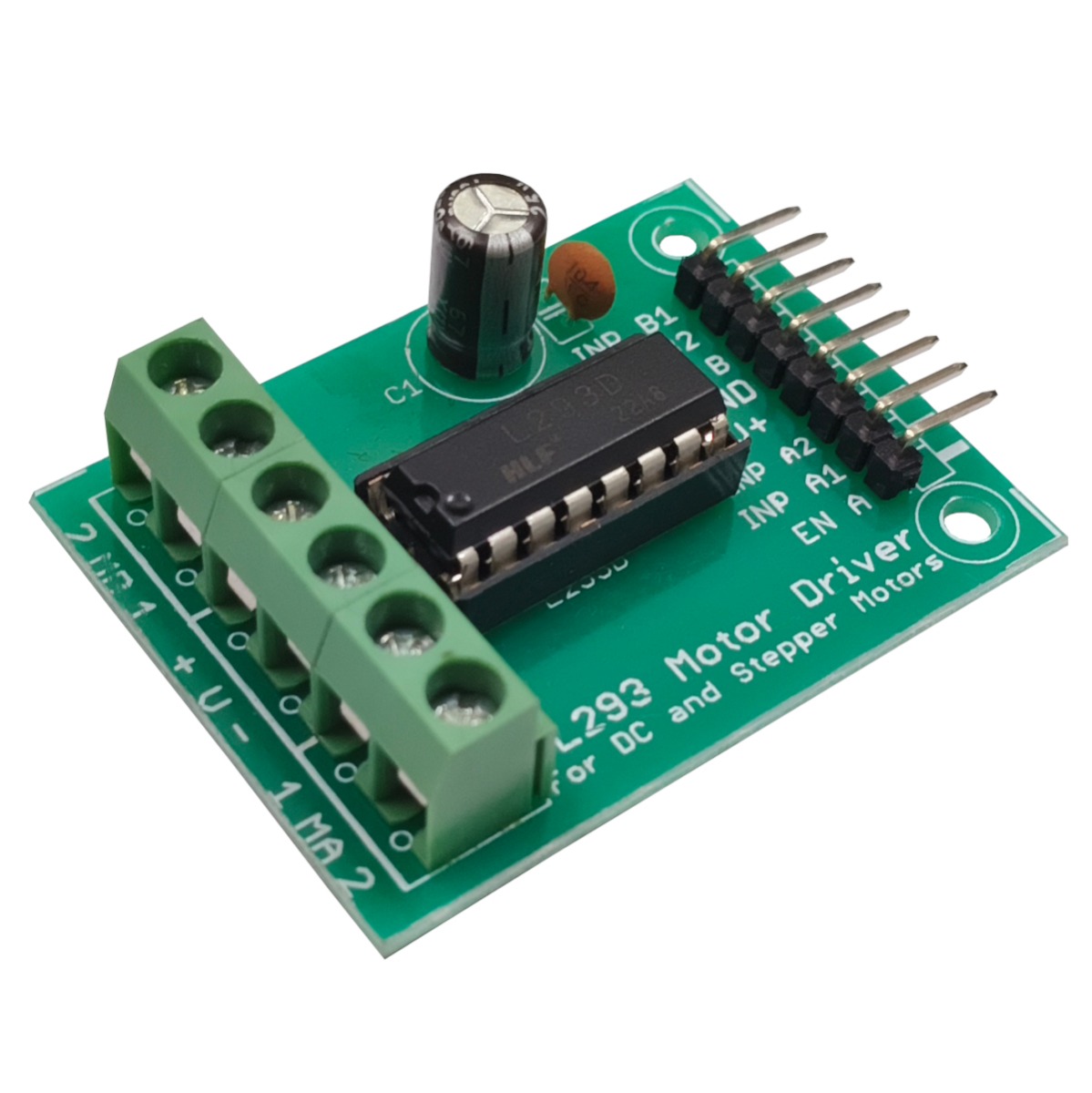 L293 based Motor Driver ₹118.00
 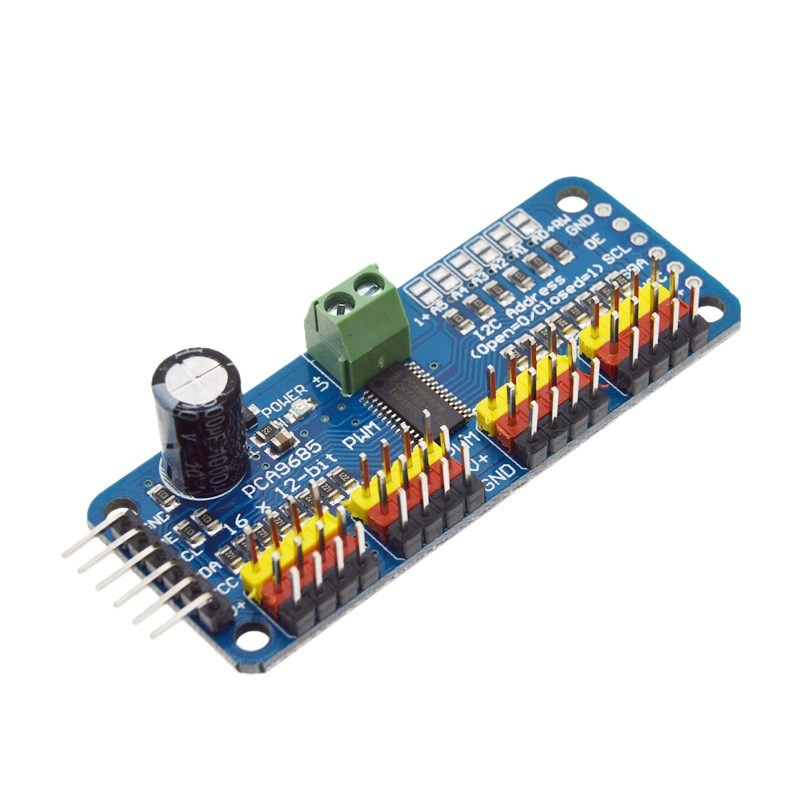 PCA9685 16 Channel Servo Motor Driver Controller Module ₹499.00
 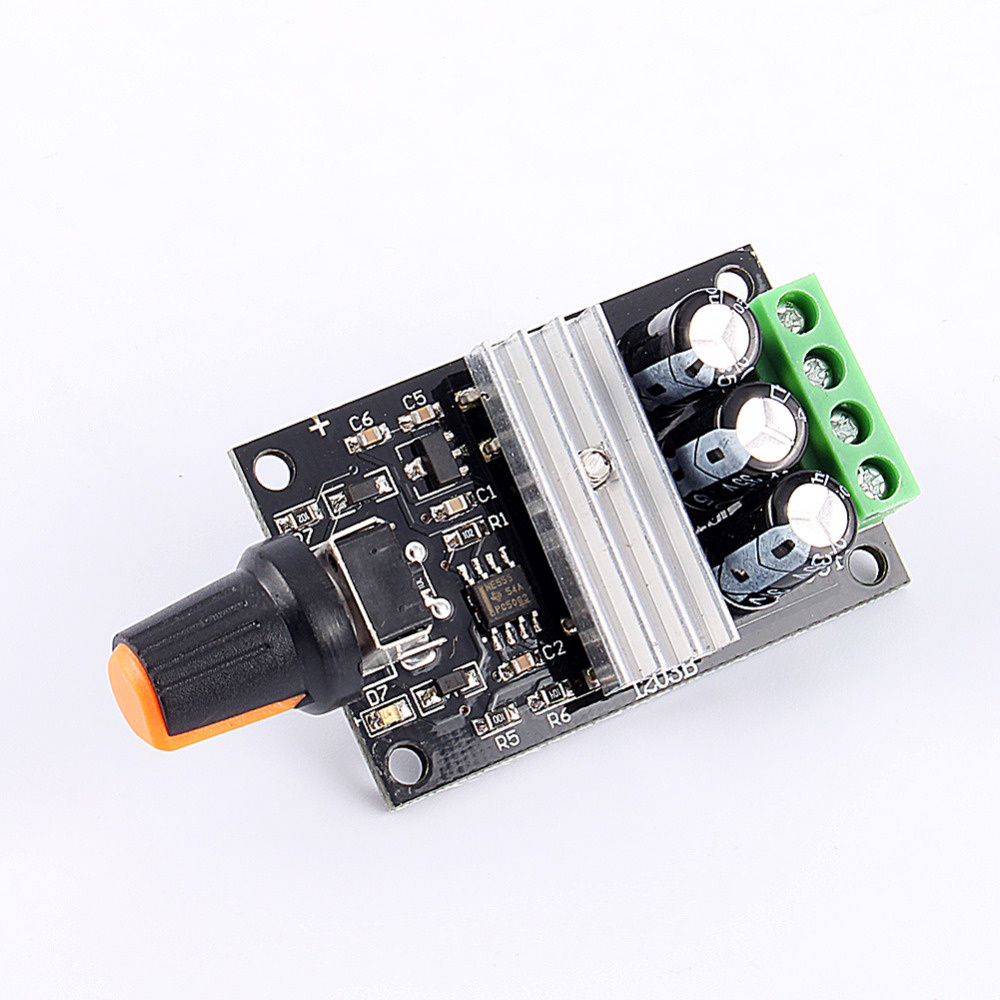 DC Motor PWM Speed Controller 28V 3A Board Module Variable ₹239.00
 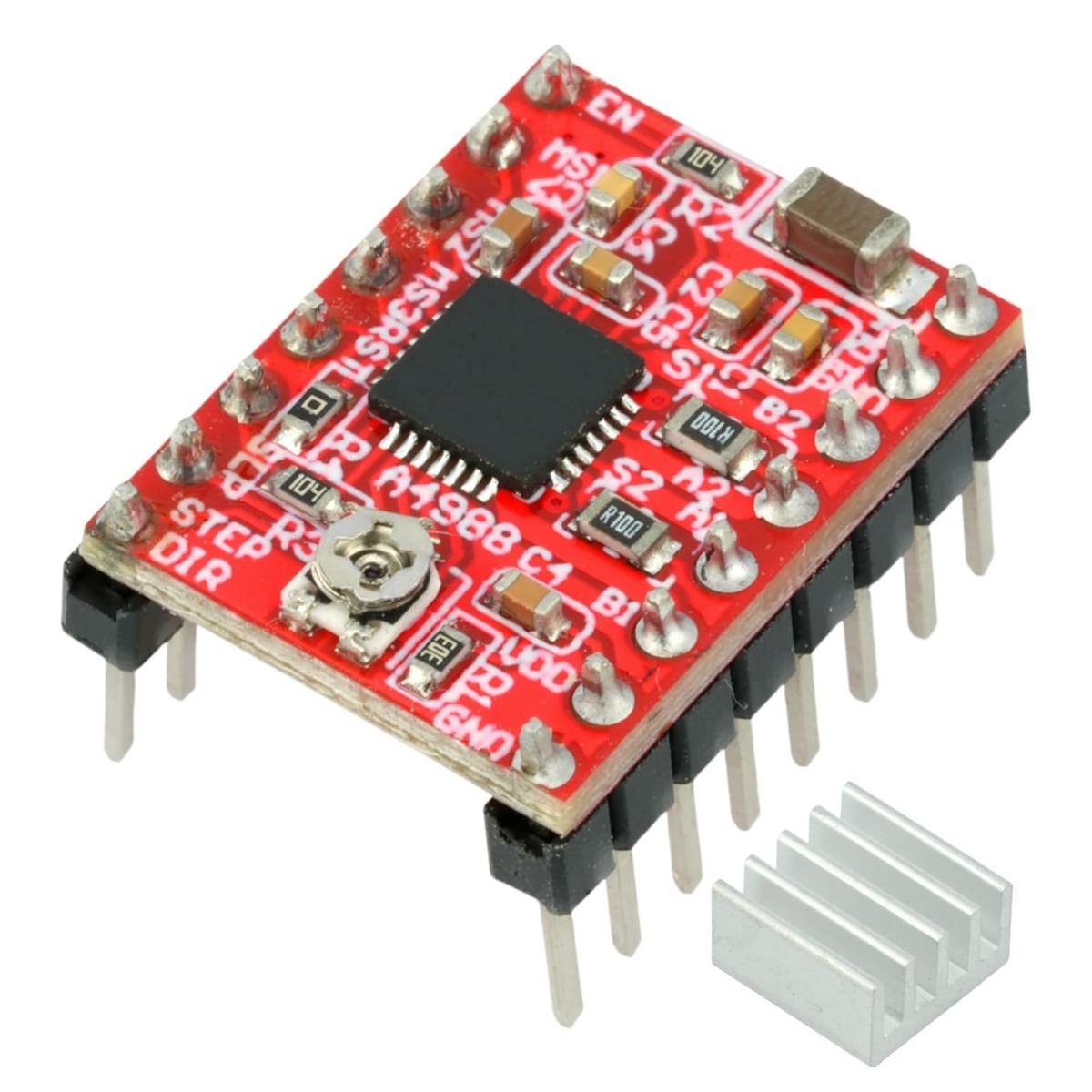 A4988 Stepper Motor Driver Controller Module - StepStick for 3D Printers & CNC ₹99.00
 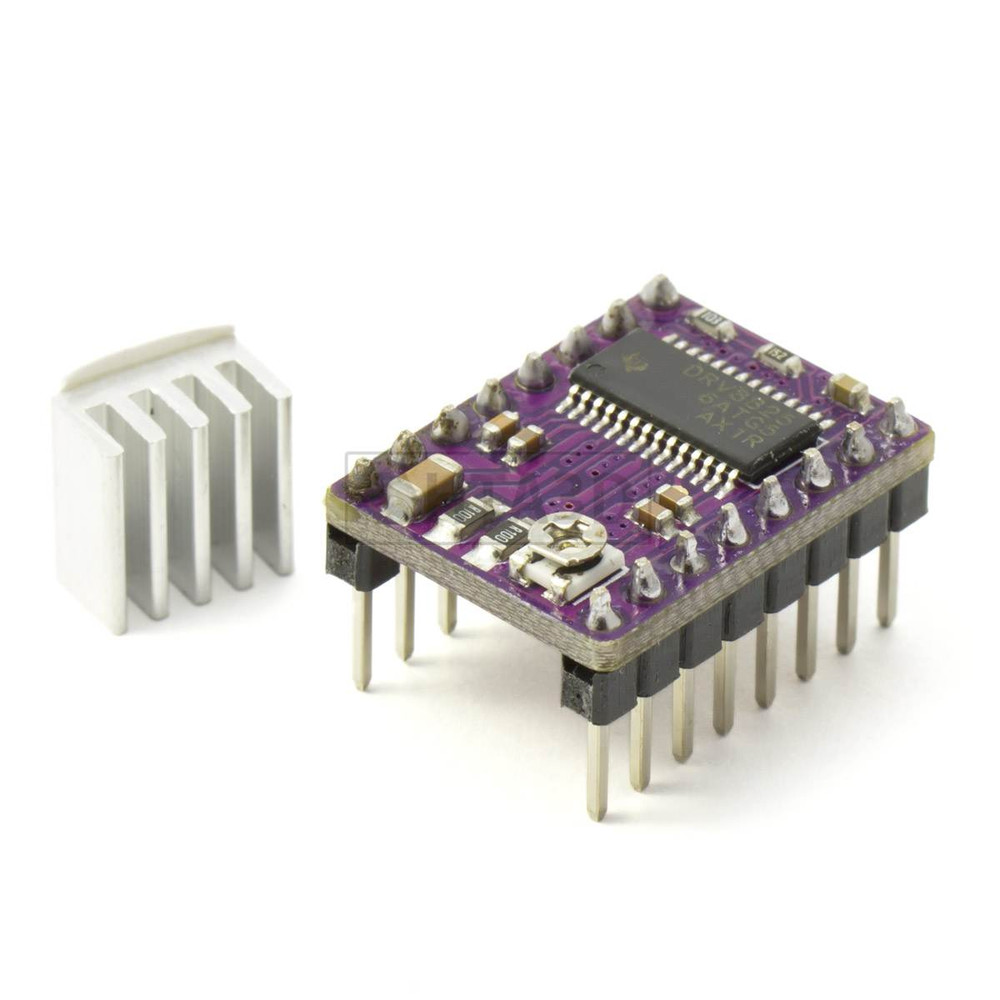 DRV8825 Stepper Motor Driver Controller for StepStick 3D Printer ₹259.00
 Drive your robotics projects with dual-channel precision. The L9110S Dual Channel Motor Driver Module is the ideal solution for hobbyists who need a small, reliable controller for low-voltage DC motors. Unlike bulkier L298N modules, this board is incredibly compact, making it perfect for miniature smart cars and tight robotic enclosures.
Straightforward Logic and H-Bridge Architecture The module operates using two independent H-Bridge circuits, which allow you to reverse the polarity of the voltage sent to the motors, thereby changing their rotational direction. The control logic is incredibly simple: to drive Motor A forward, you supply a HIGH signal to the A1-A input and a LOW signal to the A1-B input. To reverse the motor, simply flip the logic (A1-A LOW, A1-B HIGH). This logic is perfectly matched for the 3.3V or 5V GPIO pins on standard microcontrollers like Arduino and Raspberry Pi. The module can comfortably handle power inputs ranging from 2.5V up to 12V DC, making it highly versatile for various battery packs.
Driver Chips: 2 x L9110S ASIC Motor Drivers
Operating Voltage: 2.5V to 12V DC
Max Continuous Current: ~800mA per channel
Peak Output Current: 1.5A per channel (brief bursts)
Motor Channels: 2 Independent DC Motors (or 1 4-wire 2-phase stepper)
Input Interface: 6-Pin standard 2.54mm header
Output Interface: Two 2-pin green screw terminals
Indicator: Onboard power LED indicator
2-Wheel Drive Smart Cars: Independently controlling the left and right wheels for forward, reverse, and differential steering.
Miniature Water Pumps: Turning 3V-6V submersible pumps on and off in automated plant watering systems.
Automated Blinds/Curtains: Driving a small stepper motor or geared DC motor to pull curtains open or closed based on light sensors.
Unlock New Capabilities (Project Evolution)
Speed Control Upgrade: Instead of using simple HIGH/LOW logic, apply a PWM (Pulse Width Modulation) signal to the input pins to precisely control the RPM of your motors, allowing your robot to turn smoothly instead of jerking.
Stepper Integration: Ditch the two DC motors and connect the four wires of a small stepper motor (like a NEMA 14) directly to the OA1/OB1 and OA2/OB2 terminals for precise positional stepping.
Package Includes:

What is the voltage range for this module? It operates reliably on any DC voltage between 2.5V and 12V.
How much current can it handle? Each channel can supply up to 800mA of continuous current, with peak bursts up to 1.5A.
How do I connect the motors? Connect the two wires of your first DC motor to the OA1 and OB1 green screw terminals, and the second motor to OA2 and OB2.
Does motor polarity matter at the screw terminals? No, the screw terminals are non-directional; if the motor spins the wrong way, you can either reverse the wires in the terminal or reverse your HIGH/LOW logic in code.
How do I make the motor go forward? For Motor A, set input AIA to HIGH and AIB to LOW.
How do I make the motor reverse? Simply invert the signal: set input AIA to LOW and AIB to HIGH.
How do I stop the motor? To brake or stop the motor, set both inputs (e.g., AIA and AIB) to LOW simultaneously.
What are the 6 pins for? The header pins are B1-B and B1-A (Motor B control), GND (Ground), VCC (2.5-12V Power), and A1-A and A1-B (Motor A control).
Can I control motor speed with this? Yes, by applying a PWM (Pulse Width Modulation) signal from your Arduino to the input pins instead of a solid HIGH signal.
Do I need a separate power supply for the motors? Yes, it is highly recommended to connect a battery pack directly to the VCC and GND pins rather than powering motors through your Arduino's 5V pin, which could damage the microcontroller.
Can it drive a stepper motor? Yes, it can drive one standard 4-wire, 2-phase stepper motor by treating the two coils as two separate DC motors.
What does the small LED do? The onboard LED acts as a power indicator light to confirm the module is receiving VCC/GND power.
Why use this instead of an L298N? The L9110S is much smaller, cheaper, and operates at lower voltages (down to 2.5V), making it better for tiny, low-power robots. However, it handles less current than the L298N.
Is there voltage drop? Like all bipolar H-bridges, there is a small voltage drop, but it is less pronounced than older chips like the L298N.
Can I use this with a Raspberry Pi? Yes, the logic inputs can be triggered by the 3.3V GPIO pins of a Raspberry Pi.
Are the header pins pre-soldered? Yes, the 6-pin male header and green screw terminals typically come fully assembled and soldered to the board.
What happens if I set both inputs to HIGH? Setting both inputs to HIGH will actively brake the motor, similar to setting both to LOW.
Can it run standard yellow TT gear motors? Yes, it is the perfect driver for standard 3V-6V TT gear motors commonly used in hobby robotics.
Does it have thermal protection? The chips do not have robust thermal shutdown like larger drivers; avoid stalling the motors or exceeding 800mA for long periods.
Can I parallel the channels to drive one larger motor? It is generally not recommended to parallel the L9110S outputs, as slight timing differences can cause a short circuit between the chips.
| Technical Details |
|
|---|---|
| Motor Type Supported | DC Brushed |
| Max Operating Voltage | 11-20V DC |
| Current (Max): | 0.3A - 5A |
| Max Motors Controlled(Nos) | 2 |
| Control Interface | PWM / Logic Level |
| Step Resolution | NA |
| Feedback Type | NA |
Probots sells every Electronics Part for your next Project. You can order 10,000+ Electronic Parts Online - Arduino, Raspberry Pi, NodeMCU Development Boards, Sensors, Motors, Motor Drivers, SMPS, Plastic Enclosures etc in India directly on probots.co.in
We delivery electronics components and parts throughout India using standard couriers like Bluedart, Delhivery & India Post.
For order related queries contact -
This item is covered by a warranty of 7 days from the date of delivery, against confirmed manufacturing defects only, as verified by Probots' own testing and investigation. In case of a confirmed defect, we will replace the item — a refund is issued only if a replacement can't be supplied (e.g. discontinued or out of stock). Transit damage or a wrong item received must be reported within 3 days of delivery.
If the product shows signs of misuse, tampering, physical damage, static discharge, liquid or fire damage, use of unapproved chemicals, or has been soldered or physically altered in any way.
China
Probots sells every Electronics Part for your next Project. You can order 10,000+ Electronic Parts Online - Arduino, Raspberry Pi, NodeMCU Development Boards, Sensors, Motors, Motor Drivers, SMPS, Plastic Enclosures etc in India directly on probots.co.in
We offer specialized services for Bulk, Wholesale & B2B Customers like discounted prices, additional shipping options, customised products, etc . Customer with large quantity & regular orders qualify for the specialised discounted rates.
We also offer dedicated sales team to assist you with the order process by providing sales quotations, PI, technical support for choosing products, etc.
Note: Business Orders are processed manually and usually take 1-3 days to process compared to placing the order directly on our website. Please plan your purchases accordingly.
Need Help?
For bulk enquiries contact us by -
Probots Electronics is highly regarded for its highly skilled team and knowledgeable staff who provide expert guidance to ensure customers select the right components for their technical projects. The business maintains a strong reputation for prompt service and reliable support, with many clients praising their quick response times and genuine commitment to customer satisfaction.


A very great place for electronics Such a well maintained shop... Felt good shopping here


Nice

For new developments kit available and they will support till working, and I suggest this place strongly


This place has all the electronic parts students will ever need, staff is friendly and the place is organised.


It was a really nice experience! I was happy to find such a wide range of robotics kits for kids, suitable for different age groups and learning levels.

Excellent experience




Good stuff

Buyed them. But no bargain. Helpful staff.


Available all children school project spears parts like electronics


It was good experience




Staff is very patient and helpful

One of the best place for electronics you will get everything you want! With the best and orginal quality

Very helpful staff and the best place to buy components for projects

Wonderful store with expert service and technically strong people.

Prompt delivery, excellent technical support


Large inventory of electronic components and parts. Well trained service personnel and technicians who can quickly identify and rectify product defect if any. They are a reliable and trustworthy online stores.

A very great place for electronics Such a well maintained shop... Felt good shopping here
Nice
For new developments kit available and they will support till working, and I suggest this place strongly
This place has all the electronic parts students will ever need, staff is friendly and the place is organised.
It was a really nice experience! I was happy to find such a wide range of robotics kits for kids, suitable for different age groups and learning levels.
Excellent experience
Good stuff
Buyed them. But no bargain. Helpful staff.
Available all children school project spears parts like electronics
It was good experience
Staff is very patient and helpful
One of the best place for electronics you will get everything you want! With the best and orginal quality
Very helpful staff and the best place to buy components for projects
Wonderful store with expert service and technically strong people.
Prompt delivery, excellent technical support
Large inventory of electronic components and parts. Well trained service personnel and technicians who can quickly identify and rectify product defect if any. They are a reliable and trustworthy online stores.
● 20 min readVol. 56 | The Heavyweight DC Drivetrain Duel Reliability isn’t optional when you’re designing actuators that need to move actual steel or
Read Article → ● 13 min read
Workbench Vol. 49 🚀 The Project Trifecta: 3 Builds to Start Today We don’t just stock parts; we curate ecosystems. This week’s arrivals are desi
Read Article → ● 18 min read
Vol. 59 | The Battle of the Bite-Sized Boards Picture a project that needs full Linux, networking, and GPIO—but has almost no room for a conventional
Read Article →