















 ● 20 min read
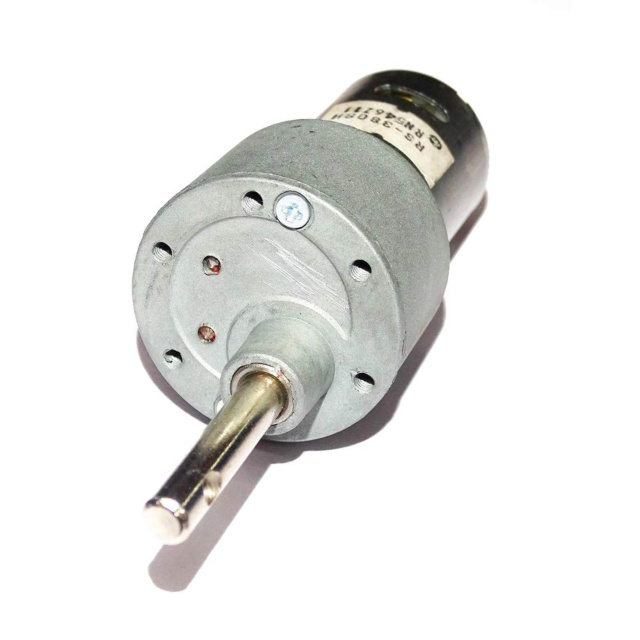
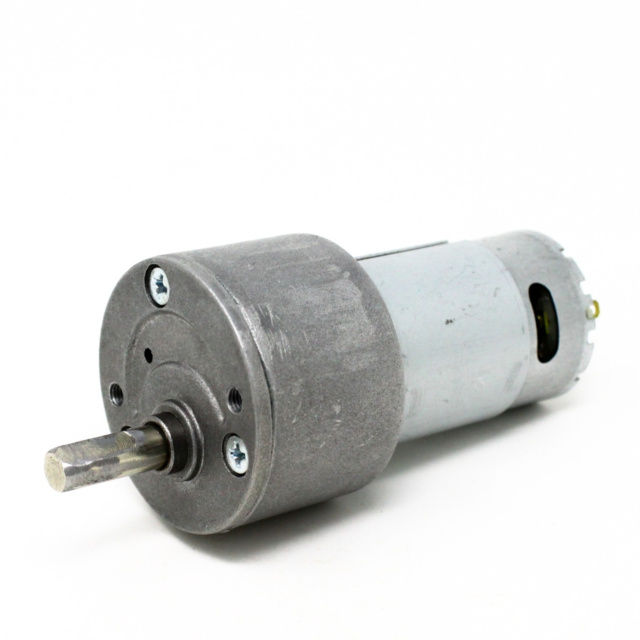
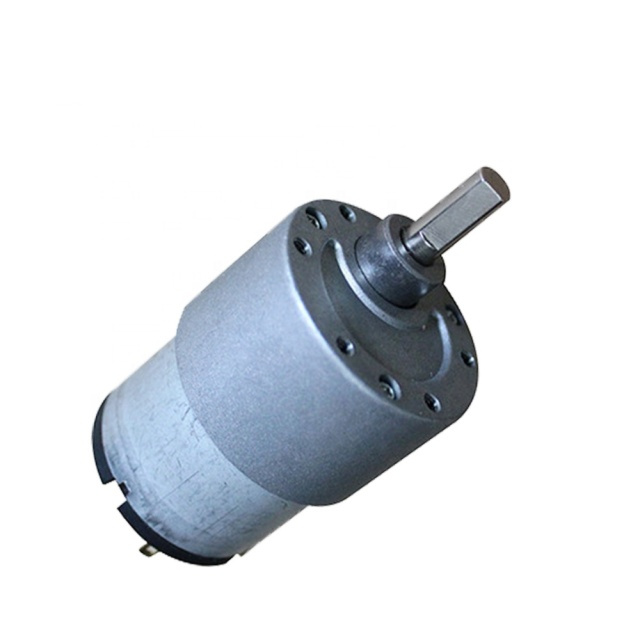
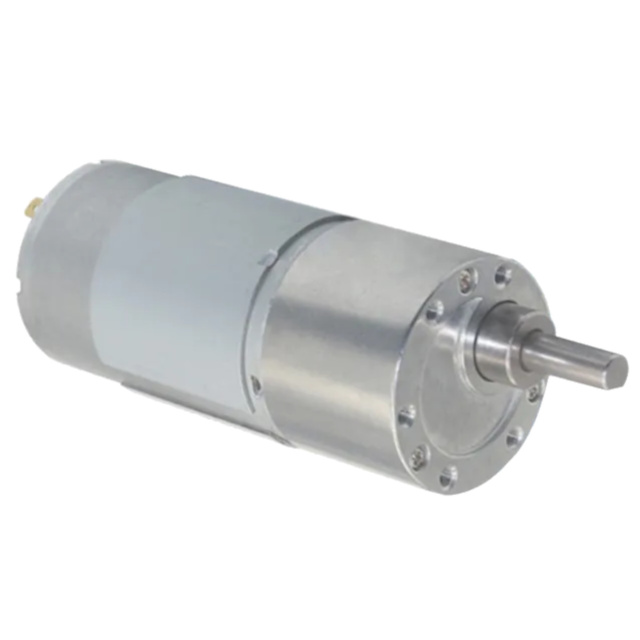
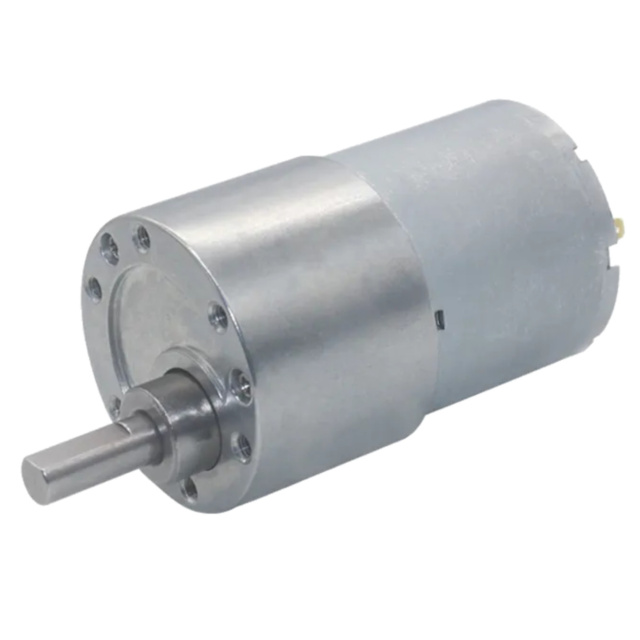
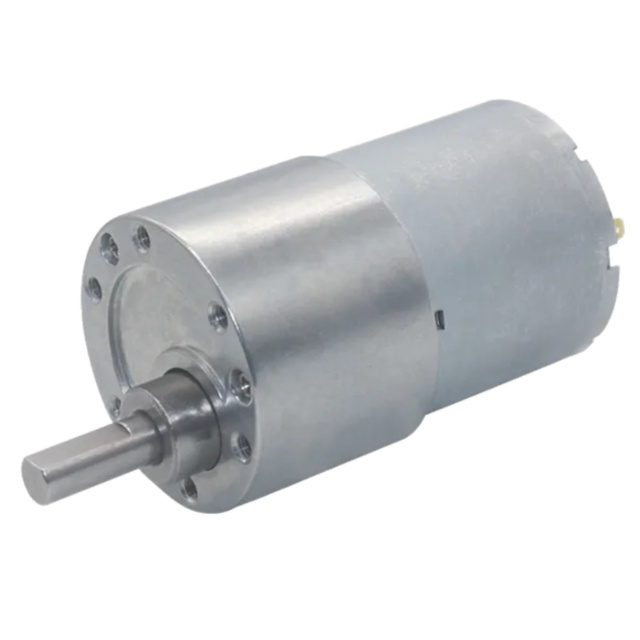
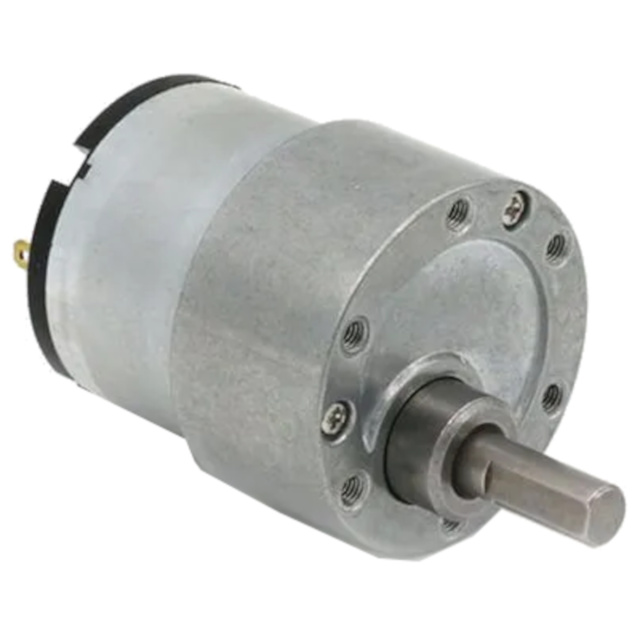
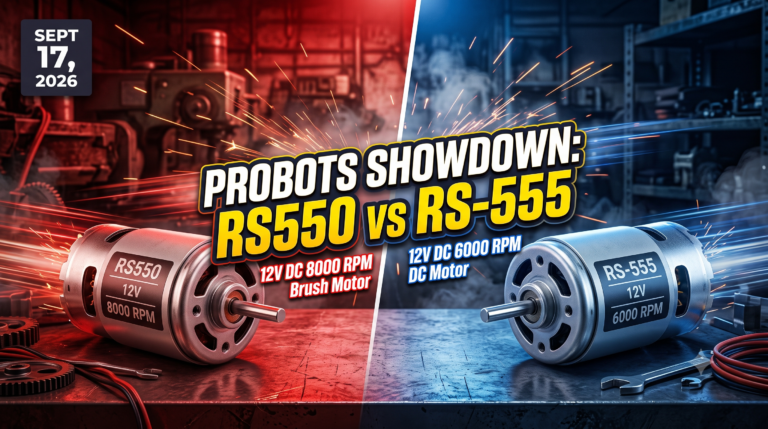
Showdown: RS550 12V DC 8000 vs RS-555 12V DC 6000 RPM DC Motor
Vol. 56 | The Heavyweight DC Drivetrain Duel Reliability isn’t optional when you’re designing actuators that need to move actual steel or
Read Article →
| Bulk Pricing | ||
|---|---|---|
| QTY | Unit Price(Inlc. GST) | |
| 10+ | ₹4,360.02 ₹ 3694.93 + 665.09 GST | |
| 20+ | ₹4,315.53 ₹ 3657.23 + 658.3 GST | |
| 30+ | ₹4,271.04 ₹ 3619.53 + 651.52 GST | |
| 50+ | ₹4,182.06 ₹ 3544.12 + 637.94 GST | |
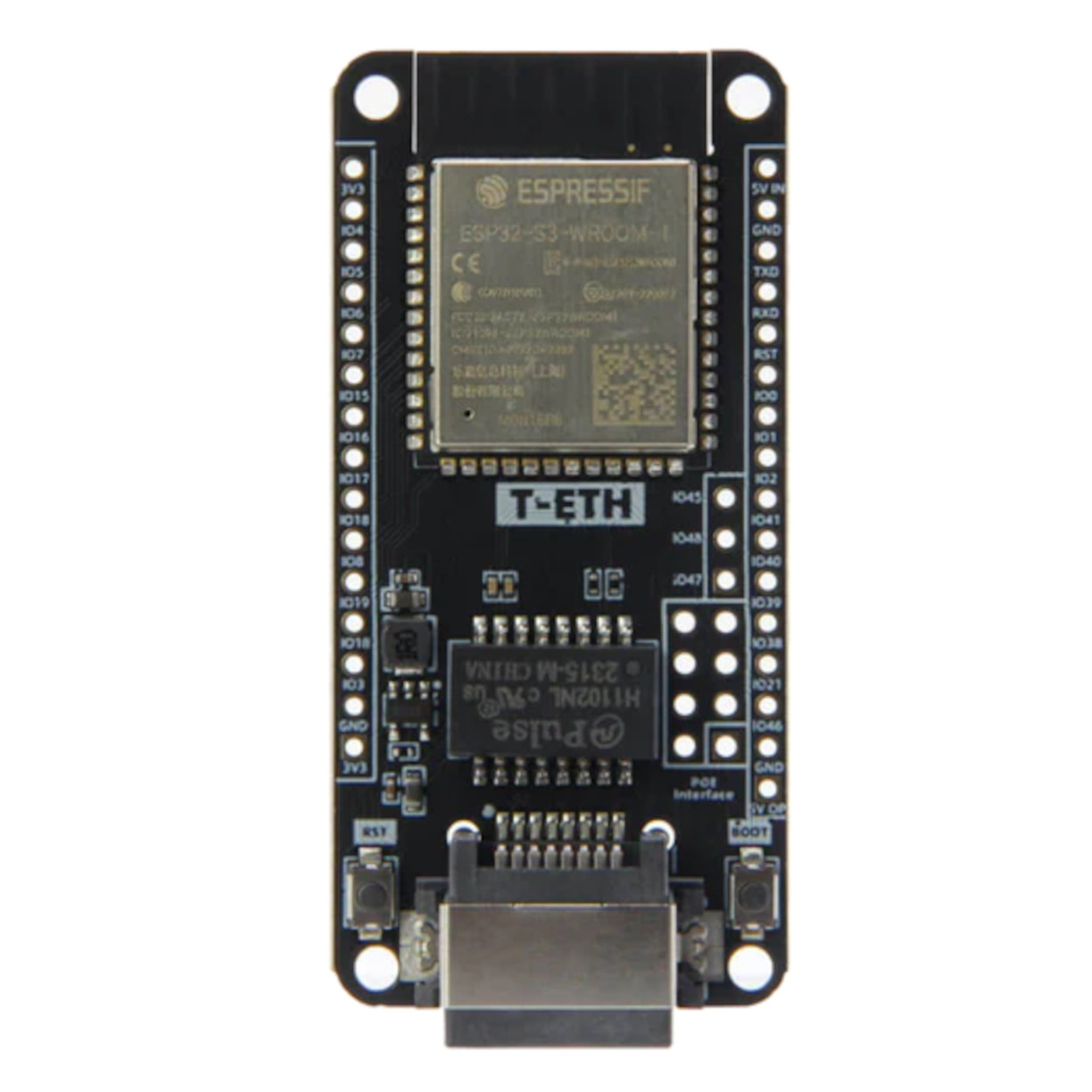
Bring rock-solid wired networking to your IoT projects! The LILYGO T-ETH-Lite features an ESP32-S3-WROOM-1, a W5500 Ethernet module with a hardware TCP/IP stack, 16MB Flash, 8MB PSRAM, and a MicroSD card slot.
Hardwired Stability via W5500 While the onboard ESP32-S3-WROOM-1 module provides excellent 2.4 GHz Wi-Fi and Bluetooth 5 (LE) connectivity, wireless signals can be susceptible to interference and dropouts. For mission-critical smart home nodes (like home security relays or continuous data loggers), the T-ETH-Lite utilizes the highly trusted WIZnet W5500 Ethernet chip. Unlike basic PHY chips, the W5500 features a hardwired TCP/IP stack. This handles the heavy lifting of network protocols (TCP, UDP, IPv4, ICMP, ARP, IGMP, and PPPoE) entirely in hardware, freeing up the ESP32-S3's processing power for your actual application.
Uncompromised ESP32-S3 Performance Driving this board is the formidable ESP32-S3 dual-core microcontroller running at 240 MHz. To ensure you can run complex local web servers, buffer heavy MQTT payloads, or handle massive data arrays, this board is equipped with a massive 16MB of Flash memory and 8MB of PSRAM.
Designed for Expansion The T-ETH-Lite is built for the real world. It features a built-in TF (MicroSD) card slot hidden on the back of the board for gigabytes of local offline storage. Furthermore, it features a dedicated interface specifically designed to accept LILYGO's optional PoE (Power over Ethernet) Shield. By adding the shield, you can power the entire board directly through the Ethernet cable from a 48V PoE switch, eliminating the need for a separate power supply at the deployment location.
Specifications
Microcontroller: ESP32-S3-WROOM-1 (Dual-core, up to 240 MHz)
Ethernet Module: WIZnet W5500 (Hardwired TCP/IP stack)
Flash Memory: 16MB
PSRAM: 8MB
Wireless: Wi-Fi (802.11 b/g/n) & Bluetooth 5 (LE)
Storage: Integrated MicroSD (TF) Card Slot
Expansion: Header interface for optional LILYGO PoE Shield
Dimensions: 59mm (L) x 28mm (W) x 11mm (H)
Key Applications and Projects
ESPHome Industrial Gateways: Hardwiring an ESP32-S3 to your network to reliably poll local Modbus or I2C sensors in a factory environment without Wi-Fi dropouts.
Network Attached Storage (NAS) Logger: Utilizing the W5500 for fast network transfer and the MicroSD card to continuously log security camera metadata or server ping statistics.
Home Assistant Bluetooth Proxies: Placing the node centrally in your home to forward Bluetooth Low Energy (BLE) packets from smart thermometers directly to Home Assistant over a stable Ethernet link.
Unlock New Capabilities (Project Evolution) The Ultimate Garage Access Controller: Wi-Fi rarely reaches the detached garage reliably. Evolve your smart home setup by running a single burial-grade Cat6 Ethernet cable from your home router out to your garage. Attach the optional LILYGO PoE shield to this T-ETH-Lite board and plug the cable into a PoE switch inside your house. Out in the garage, the board now has rock-solid power and data. Program the ESP32-S3 to control a relay that opens your garage door. Because the board has Bluetooth 5, you can also program it to detect the BLE MAC address of your car or smartphone, creating an ultra-reliable, hardwired auto-opening smart garage system!
1 x LILYGO T-ETH-Lite ESP32-S3 Board
2 x Long Male Pin Headers (Unsoldered)
2 x Short Male Pin Headers (Unsoldered)
Downloads & Links

1. What microcontroller drives this board? It is powered by the Espressif ESP32-S3-WROOM-1 module.
2. What makes the W5500 different from the LAN8720A Ethernet chip? The LAN8720A is just a physical layer (PHY) chip, meaning the ESP32 has to handle all the complex TCP/IP network processing in software. The W5500 has a hardwired TCP/IP stack built into the silicon, which handles the network protocols automatically, drastically reducing the processing load on the ESP32.
3. Does this board support PoE (Power over Ethernet)? Out of the box, no. However, it features a specifically designed pin interface that allows you to easily plug in LILYGO's optional PoE Shield to enable 802.3af PoE capabilities.
4. How do I power the board if I don't have the PoE shield? You must provide 5V power to the 5V_IN and GND pins on the expansion header. Note: This specific board does not have a USB port for power or programming.
5. How do I program this board since there is no USB port? Because it lacks an onboard USB-to-Serial converter to save space, you must program it using an external USB-to-TTL Serial adapter (like an FTDI or CH340 board). Connect the TX of your adapter to the RXD pin of the board, RX to TXD, GND to GND, and provide 5V power. You must also pull the IO0 pin LOW while resetting to enter bootloader mode.
6. How much Flash memory and RAM does it have? It features a massive 16MB of Flash memory and 8MB of PSRAM, which is essential for buffering large network payloads.
7. Can I log data locally? Yes, the board features a built-in Micro SD (TF) card slot hidden on the back of the PCB.
8. What are the internal pins used for the MicroSD card slot? The SD card uses standard SPI pins: MISO (IO05), MOSI (IO06), SCLK (IO07), and CS (IO42).
9. How does the ESP32 communicate with the W5500 chip? They communicate internally via an SPI connection. The W5500 uses MISO (IO11), MOSI (IO12), SCLK (IO10), CS (IO09), RST (IO14), and INT (IO13).
10. Does the board still support Wi-Fi and Bluetooth? Yes. Despite having Ethernet, the ESP32-S3 still features its standard 2.4 GHz Wi-Fi and Bluetooth 5 (LE) radios.
11. What settings do I need in ESPHome to make the Ethernet work? In your YAML configuration, you must define the ethernet component and set the type to W5500. You must also define the correct SPI pins (miso_pin, mosi_pin, clk_pin, cs_pin) as listed in the pinout diagram.
12. Do I need to solder anything? The main components and RJ45 jack are pre-soldered. The kit comes with male header pins that you must solder yourself to connect power, the serial programmer, or external sensors.
13. What are the exact dimensions of the board? The board measures 59mm in length, 28mm in width, and 11mm in height (at the RJ45 jack).
14. What logic voltage do the GPIO pins use? Like all ESP32 microcontrollers, the GPIO pins operate strictly on 3.3V logic. Supplying 5V directly to a logic pin will destroy the chip.
15. Is there an RTC (Real-Time Clock) on this board? No, there is no dedicated RTC chip. You should pull time data via NTP over the Ethernet connection.
16. Are there any physical buttons? Yes, the board features a Boot button (IO0) and a Reset button, allowing you to manually enter download mode when connected to a serial programmer.
17. What do the LEDs on the RJ45 jack indicate? Typically, the LEDs indicate Link status (a physical connection is established) and Activity (data is actively transmitting/receiving).
18. Can I use the MicroSD card slot and Ethernet at the same time? Yes. They use separate SPI buses or chip select pins, allowing both to function concurrently without data collision.
19. Does this board support auto-MDIX? Yes, the W5500 supports auto-MDIX, meaning you can use either a straight-through or a crossover Ethernet cable to connect it to your switch.
20. Why did LILYGO remove the USB port? Removing the USB-to-Serial chip and port saves physical space on the PCB and reduces the overall cost and power consumption for permanent, embedded deployments where USB access is rarely needed after the initial firmware flash.

| Core Chipset: | ESP32-S3 |
|---|---|
| Flash Memory: | 16 MB |
| PSRAM: | 8 MB |
| Wireless Connectivity: | WiFi, Bluetooth |
| Antenna Type: | Onboard PCB |
Probots sells every Electronics Part for your next Project. You can order 10,000+ Electronic Parts Online - Arduino, Raspberry Pi, NodeMCU Development Boards, Sensors, Motors, Motor Drivers, SMPS, Plastic Enclosures etc in India directly on probots.co.in
We delivery electronics components and parts throughout India using standard couriers like Bluedart, Delhivery & India Post.
For order related queries contact -
This item is covered by a warranty of 7 days from the date of delivery, against confirmed manufacturing defects only, as verified by Probots' own testing and investigation. In case of a confirmed defect, we will replace the item — a refund is issued only if a replacement can't be supplied (e.g. discontinued or out of stock). Transit damage or a wrong item received must be reported within 3 days of delivery.
If the product shows signs of misuse, tampering, physical damage, static discharge, liquid or fire damage, use of unapproved chemicals, or has been soldered or physically altered in any way.
China
Probots sells every Electronics Part for your next Project. You can order 10,000+ Electronic Parts Online - Arduino, Raspberry Pi, NodeMCU Development Boards, Sensors, Motors, Motor Drivers, SMPS, Plastic Enclosures etc in India directly on probots.co.in
We offer specialized services for Bulk, Wholesale & B2B Customers like discounted prices, additional shipping options, customised products, etc . Customer with large quantity & regular orders qualify for the specialised discounted rates.
We also offer dedicated sales team to assist you with the order process by providing sales quotations, PI, technical support for choosing products, etc.
Note: Business Orders are processed manually and usually take 1-3 days to process compared to placing the order directly on our website. Please plan your purchases accordingly.
Need Help?
For bulk enquiries contact us by -

Probots Electronics is highly regarded for its highly skilled team and knowledgeable staff who provide expert guidance to ensure customers select the right components for their technical projects. The business maintains a strong reputation for prompt service and reliable support, with many clients praising their quick response times and genuine commitment to customer satisfaction.


A very great place for electronics Such a well maintained shop... Felt good shopping here


Nice

For new developments kit available and they will support till working, and I suggest this place strongly


This place has all the electronic parts students will ever need, staff is friendly and the place is organised.


It was a really nice experience! I was happy to find such a wide range of robotics kits for kids, suitable for different age groups and learning levels.

Excellent experience




Good stuff

Buyed them. But no bargain. Helpful staff.


Available all children school project spears parts like electronics


It was good experience




Staff is very patient and helpful

One of the best place for electronics you will get everything you want! With the best and orginal quality

Very helpful staff and the best place to buy components for projects

Wonderful store with expert service and technically strong people.

Prompt delivery, excellent technical support


Large inventory of electronic components and parts. Well trained service personnel and technicians who can quickly identify and rectify product defect if any. They are a reliable and trustworthy online stores.

A very great place for electronics Such a well maintained shop... Felt good shopping here
Nice
For new developments kit available and they will support till working, and I suggest this place strongly
This place has all the electronic parts students will ever need, staff is friendly and the place is organised.
It was a really nice experience! I was happy to find such a wide range of robotics kits for kids, suitable for different age groups and learning levels.
Excellent experience
Good stuff
Buyed them. But no bargain. Helpful staff.
Available all children school project spears parts like electronics
It was good experience
Staff is very patient and helpful
One of the best place for electronics you will get everything you want! With the best and orginal quality
Very helpful staff and the best place to buy components for projects
Wonderful store with expert service and technically strong people.
Prompt delivery, excellent technical support
Large inventory of electronic components and parts. Well trained service personnel and technicians who can quickly identify and rectify product defect if any. They are a reliable and trustworthy online stores.
● 20 min readVol. 56 | The Heavyweight DC Drivetrain Duel Reliability isn’t optional when you’re designing actuators that need to move actual steel or
Read Article →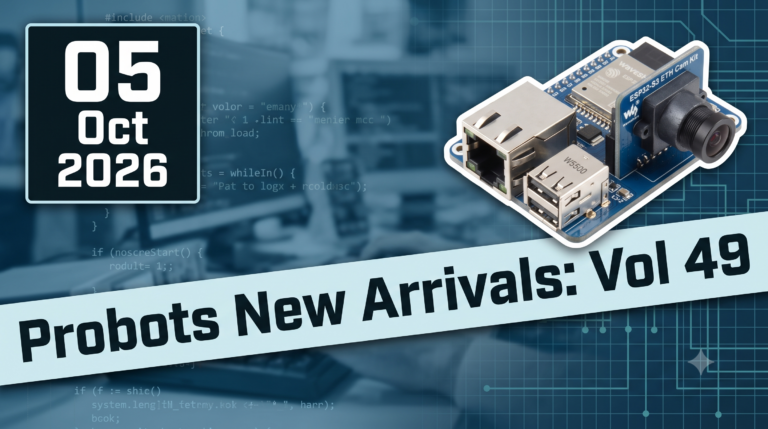 ● 13 min read
Workbench Vol. 49 🚀 The Project Trifecta: 3 Builds to Start Today We don’t just stock parts; we curate ecosystems. This week’s arrivals are desi
Read Article →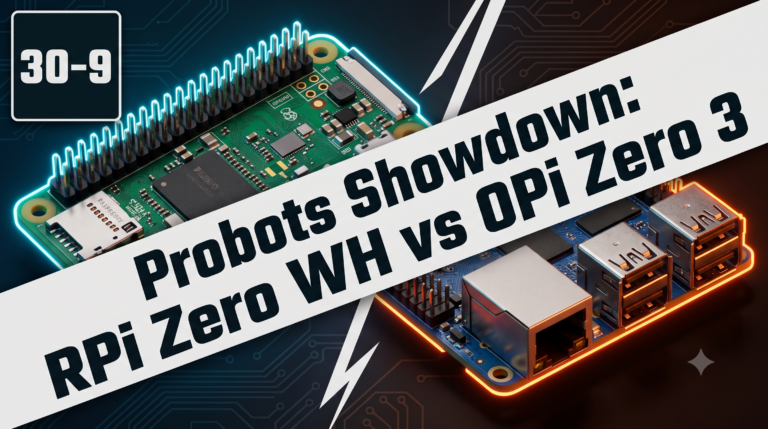 ● 18 min read
Vol. 59 | The Battle of the Bite-Sized Boards Picture a project that needs full Linux, networking, and GPIO—but has almost no room for a conventional
Read Article →