

















 ● 20 min read
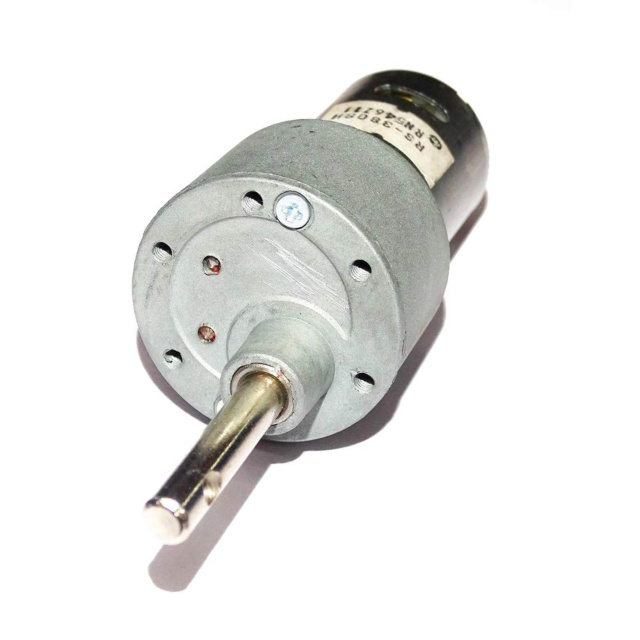
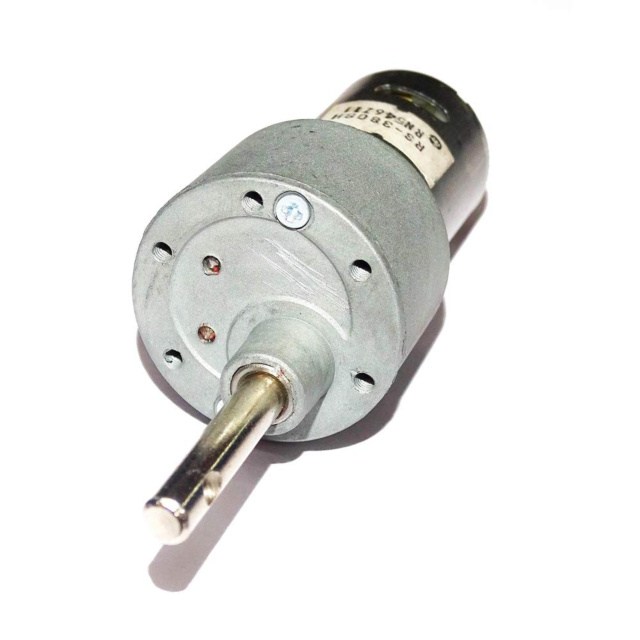
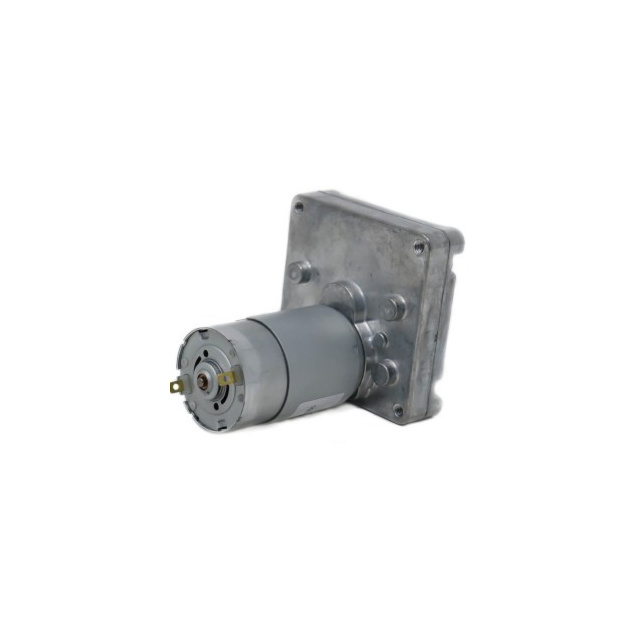
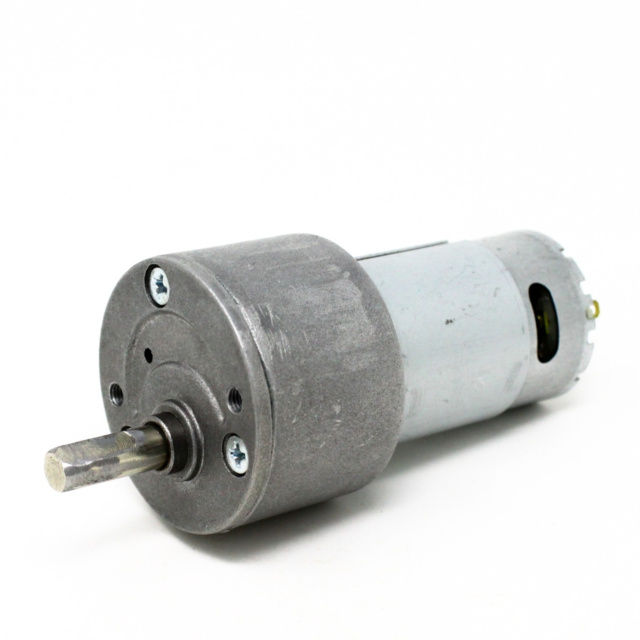
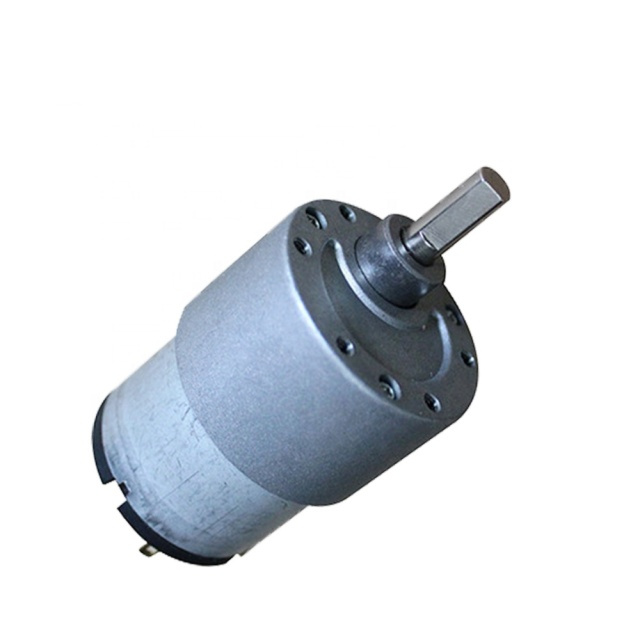
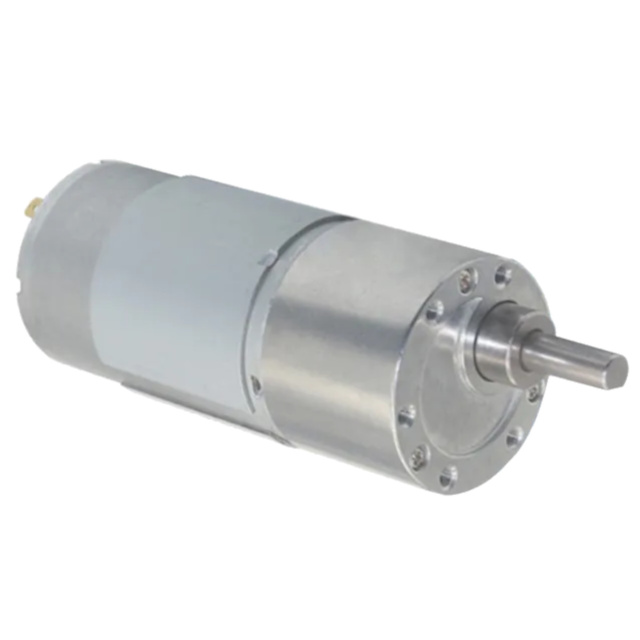
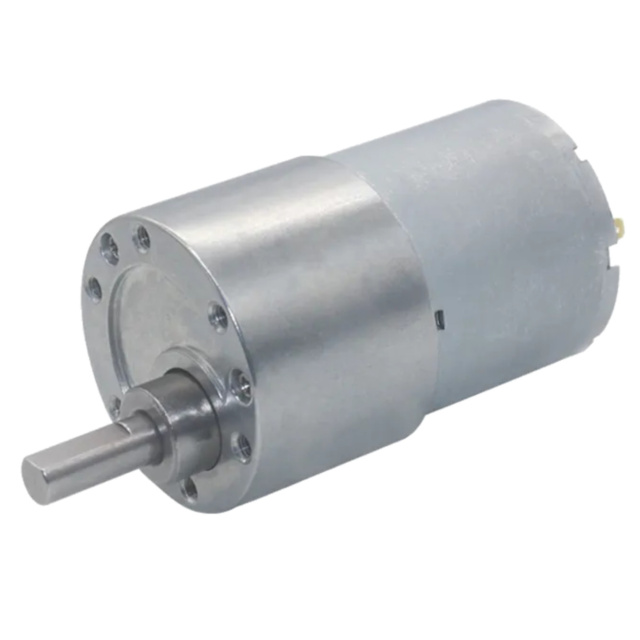
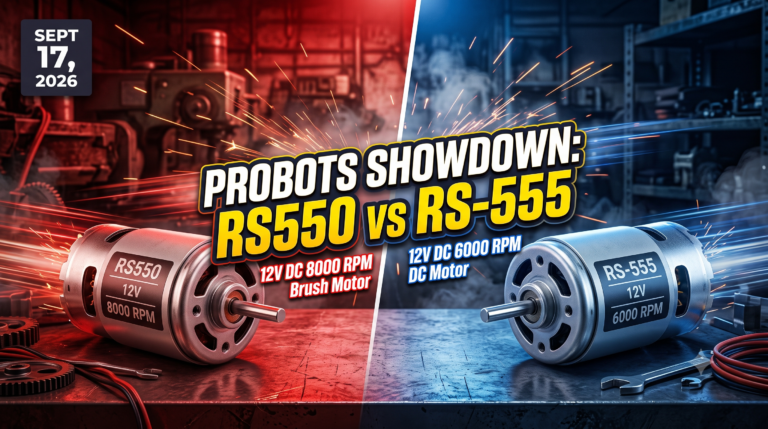
Showdown: RS550 12V DC 8000 vs RS-555 12V DC 6000 RPM DC Motor
Vol. 56 | The Heavyweight DC Drivetrain Duel Reliability isn’t optional when you’re designing actuators that need to move actual steel or
Read Article →
| Bulk Pricing | ||
|---|---|---|
| QTY | Unit Price(Inlc. GST) | |
| 10+ | ₹1,371.02 ₹ 1161.88 + 209.14 GST | |
| 20+ | ₹1,357.03 ₹ 1150.03 + 207.01 GST | |
| 30+ | ₹1,343.04 ₹ 1138.17 + 204.87 GST | |
| 50+ | ₹1,315.06 ₹ 1114.46 + 200.6 GST | |
Add a pop of color to your projects! This compact 1.14-inch IPS LCD panel features a 135x240 resolution, excellent viewing angles, and utilizes the ST7789 driver IC over a simple 4-wire SPI interface via an 8-pin FPC ribbon.
Vivid IPS Visuals in a Tiny Footprint Don't let the small size fool you. This 1.14-inch color TFT LCD delivers incredibly crisp visuals with a high-density resolution of 135x240 pixels. Because it utilizes an IPS (In-Plane Switching) panel, it offers superior color reproduction, deep contrasts, and wide viewing angles compared to standard TN displays. Whether you are building a smart watch interface, an IoT sensor dashboard, or a hardware debugging monitor, your graphics will remain readable from almost any angle.
Plug-and-Play 8-Pin FPC Interface Wiring up a display shouldn't result in a messy rat's nest of jumper wires. This module is designed for clean, integrated connectivity. It features an integrated Flexible Printed Circuit (FPC) ribbon cable terminating in 8 gold-plated contacts with a standard 0.5mm pitch. This allows the screen to slide effortlessly into standard ZIF (Zero Insertion Force) connectors. The pinout provides direct access to the display's power and 4-wire SPI communication lines: LEDA, GND, RESET, RS (Data/Command), SDA, SCL, VDD (3.3V), and CS (Chip Select).
Industry Standard ST7789 Driver Under the hood, the screen is powered by the highly ubiquitous ST7789 driver IC. This makes it incredibly easy to program. If you are using it with a microcontroller, there are dozens of open-source libraries available for Arduino, ESP32, and Raspberry Pi. If you are integrating it into an FPGA like the Sipeed Tang Nano 9K, the 4-wire SPI interface is straightforward to implement using custom Verilog or VHDL logic, allowing you to write pixels directly to the screen's hardware frame buffer.
Specifications
Screen Size: 1.14" Diagonal
Resolution: 135 (H) x 240 (V) pixels
Display Technology: IPS TFT Color LCD
Driver IC: ST7789
Interface: 4-Wire SPI
Connector: 8-Pin FPC Ribbon (0.5mm Pitch)
Operating Voltage (VDD): 3.3V DC
Glass Dimensions: 17mm (W) x 31mm (L) x 1.6mm (H)
Total Length (with Ribbon): 54mm
FPC Marking: NFP114H-03AF (or equivalent)
Key Applications and Projects
FPGA Video Generation: Acting as the primary visual output for custom digital logic projects built on the Sipeed Tang Nano 9K development board.
Wearable Electronics: Building custom smartwatches or health monitors where PCB real estate and power consumption are critical.
Embedded IoT Dashboards: Displaying real-time temperature, humidity, or network status on ESP32-based smart home sensors.
Unlock New Capabilities (Project Evolution) The Custom Retro Handheld: If you are learning hardware description languages (Verilog/VHDL) on an FPGA, this screen is your gateway to retro gaming! Instead of outputting data to a serial terminal, you can write a custom display controller module in hardware that interfaces with the ST7789 via SPI. Once you master drawing simple shapes and text, you can expand your logic to render entire tilemaps, sprites, and animations, effectively building a tiny, battery-powered 8-bit game console entirely from scratch!
1 x 1.14-inch SPI IPS LCD Display Module

1. What is the diagonal size of this screen? The active display area has a diagonal measurement of 1.14 inches.
2. What is the pixel resolution? The screen has a resolution of 135 horizontal pixels by 240 vertical pixels.
3. What driver IC controls this display? The display is driven by the industry-standard ST7789 controller chip.
4. Is this an IPS or TN panel? This is an IPS (In-Plane Switching) panel, which provides significantly better color accuracy and wider viewing angles than older TN panels.
5. How does this screen connect to my circuit board? It connects via an integrated Flexible Printed Circuit (FPC) ribbon cable that slides into an 8-pin ZIF socket.
6. What is the pitch of the golden contacts on the ribbon? The contacts have a standard spacing (pitch) of 0.5mm.
7. Is this the exact screen used on the Sipeed Tang Nano 9K? Yes, this NFP114H-03AF module is the exact direct-fit screen that is optionally bundled with the Tang Nano 9K FPGA board.
8. What is the operating voltage (VDD)? The display logic operates at 3.3V DC. Applying 5V directly to the data pins may damage the ST7789 controller.
9. What does the "LEDA" pin (Pin 1) do? LEDA stands for LED Anode. This is the positive power input that illuminates the backlight behind the LCD panel.
10. What does the "RS" pin (Pin 4) stand for? RS stands for Register Select (sometimes labeled as DC for Data/Command). It tells the ST7789 whether the incoming SPI data is a configuration command or pixel color data.
11. Does this screen have touch capabilities? No, this is a display-only module and does not include a capacitive or resistive touch digitizer.
12. What are the physical dimensions of the glass body? The rigid glass portion of the display measures 17mm wide, 31mm long, and 1.6mm thick.
13. What is the total length of the component? From the top of the glass to the very end of the extended flexible ribbon, the total length is 54mm.
14. What is the width of the flexible ribbon cable? The narrow neck of the FPC ribbon cable is 4.5mm wide.
15. Can I use this screen with an Arduino or ESP32? Yes. You will need a custom PCB or a breakout board that converts the 0.5mm ZIF socket into standard 2.54mm pins, but the ST7789 SPI protocol is fully supported by Arduino libraries.
16. Do I need to solder the ribbon cable? No, the ribbon is designed to be pressure-fitted into a matching FPC/ZIF connector on your host motherboard.
17. Why is there a green tab on the front of the glass? The green tab is attached to a thin, protective plastic film covering the screen. You should peel this film off using the tab before final installation.
18. What do the SDA and SCL pins do? These are the SPI data lines. SCL is the Serial Clock line, and SDA is the Serial Data (MOSI) line used to push pixel data to the screen.
19. What is the "CS" pin for? CS stands for Chip Select. Pulling this pin LOW tells the screen to listen to the incoming SPI data, allowing you to share the SPI bus with other devices.
20. Does this display support full 16-bit color? Yes, the ST7789 driver supports standard RGB565 (16-bit) color formats, allowing for vibrant, full-color images.

| Display Technology | TFT / IPS LCD (Full Color) |
|---|---|
| Touch Capability | Non-Touch |
| Communication Interface | SPI |
| Smart / Integrated Ecosystem | Standard Display (Requires external MCU) |
| Screen Size (Diagonal) | Micro (< 1.5 Inch) |
Probots sells every Electronics Part for your next Project. You can order 10,000+ Electronic Parts Online - Arduino, Raspberry Pi, NodeMCU Development Boards, Sensors, Motors, Motor Drivers, SMPS, Plastic Enclosures etc in India directly on probots.co.in
We delivery electronics components and parts throughout India using standard couriers like Bluedart, Delhivery & India Post.
For order related queries contact -
This item is covered by a warranty of 7 days from the date of delivery, against confirmed manufacturing defects only, as verified by Probots' own testing and investigation. In case of a confirmed defect, we will replace the item — a refund is issued only if a replacement can't be supplied (e.g. discontinued or out of stock). Transit damage or a wrong item received must be reported within 3 days of delivery.
If the product shows signs of misuse, tampering, physical damage, static discharge, liquid or fire damage, use of unapproved chemicals, or has been soldered or physically altered in any way.
China
Probots sells every Electronics Part for your next Project. You can order 10,000+ Electronic Parts Online - Arduino, Raspberry Pi, NodeMCU Development Boards, Sensors, Motors, Motor Drivers, SMPS, Plastic Enclosures etc in India directly on probots.co.in
We offer specialized services for Bulk, Wholesale & B2B Customers like discounted prices, additional shipping options, customised products, etc . Customer with large quantity & regular orders qualify for the specialised discounted rates.
We also offer dedicated sales team to assist you with the order process by providing sales quotations, PI, technical support for choosing products, etc.
Note: Business Orders are processed manually and usually take 1-3 days to process compared to placing the order directly on our website. Please plan your purchases accordingly.
Need Help?
For bulk enquiries contact us by -
Probots Electronics is highly regarded for its highly skilled team and knowledgeable staff who provide expert guidance to ensure customers select the right components for their technical projects. The business maintains a strong reputation for prompt service and reliable support, with many clients praising their quick response times and genuine commitment to customer satisfaction.


A very great place for electronics Such a well maintained shop... Felt good shopping here


Nice

For new developments kit available and they will support till working, and I suggest this place strongly


This place has all the electronic parts students will ever need, staff is friendly and the place is organised.


It was a really nice experience! I was happy to find such a wide range of robotics kits for kids, suitable for different age groups and learning levels.

Excellent experience




Good stuff

Buyed them. But no bargain. Helpful staff.


Available all children school project spears parts like electronics


It was good experience




Staff is very patient and helpful

One of the best place for electronics you will get everything you want! With the best and orginal quality

Very helpful staff and the best place to buy components for projects

Wonderful store with expert service and technically strong people.

Prompt delivery, excellent technical support


Large inventory of electronic components and parts. Well trained service personnel and technicians who can quickly identify and rectify product defect if any. They are a reliable and trustworthy online stores.

A very great place for electronics Such a well maintained shop... Felt good shopping here
Nice
For new developments kit available and they will support till working, and I suggest this place strongly
This place has all the electronic parts students will ever need, staff is friendly and the place is organised.
It was a really nice experience! I was happy to find such a wide range of robotics kits for kids, suitable for different age groups and learning levels.
Excellent experience
Good stuff
Buyed them. But no bargain. Helpful staff.
Available all children school project spears parts like electronics
It was good experience
Staff is very patient and helpful
One of the best place for electronics you will get everything you want! With the best and orginal quality
Very helpful staff and the best place to buy components for projects
Wonderful store with expert service and technically strong people.
Prompt delivery, excellent technical support
Large inventory of electronic components and parts. Well trained service personnel and technicians who can quickly identify and rectify product defect if any. They are a reliable and trustworthy online stores.
● 20 min readVol. 56 | The Heavyweight DC Drivetrain Duel Reliability isn’t optional when you’re designing actuators that need to move actual steel or
Read Article → ● 13 min read
Workbench Vol. 49 🚀 The Project Trifecta: 3 Builds to Start Today We don’t just stock parts; we curate ecosystems. This week’s arrivals are desi
Read Article → ● 18 min read
Vol. 59 | The Battle of the Bite-Sized Boards Picture a project that needs full Linux, networking, and GPIO—but has almost no room for a conventional
Read Article →