




















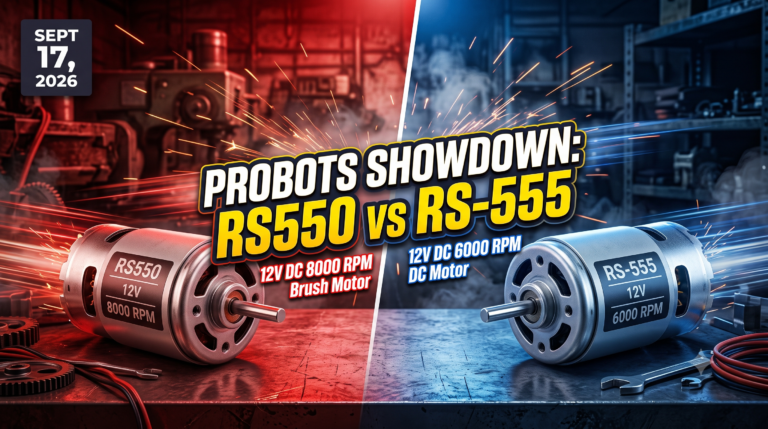
 ● 20 min read
Showdown: RS550 12V DC 8000 vs RS-555 12V DC 6000 RPM DC Motor
Vol. 56 | The Heavyweight DC Drivetrain Duel Reliability isn’t optional when you’re designing actuators that need to move actual steel or
Read Article →
| Bulk Pricing | ||
|---|---|---|
| QTY | Unit Price(Inlc. GST) | |
| 5+ | ₹6,859.02 ₹ 5812.73 + 1046.29 GST | |
| 10+ | ₹6,789.03 ₹ 5753.42 + 1035.62 GST | |
| 15+ | ₹6,719.04 ₹ 5694.1 + 1024.94 GST | |
| 20+ | ₹6,579.06 ₹ 5575.47 + 1003.58 GST | |
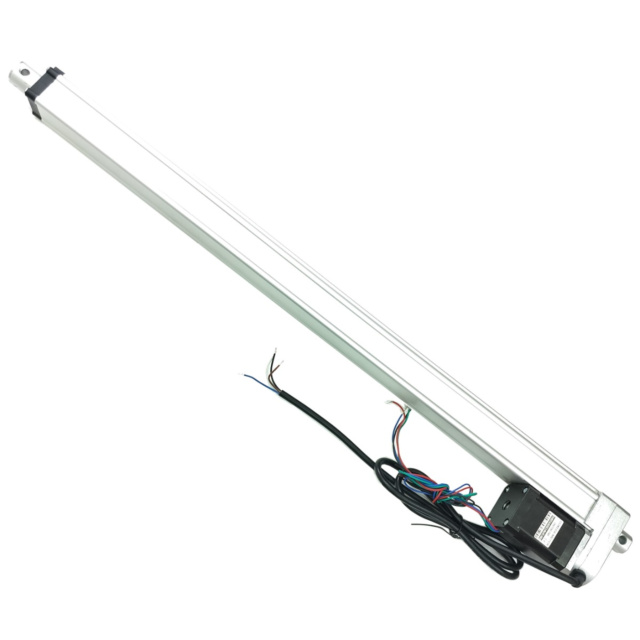
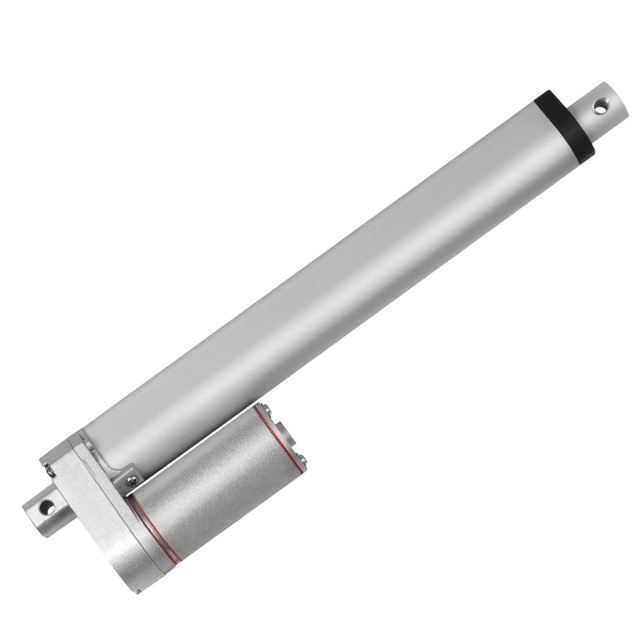
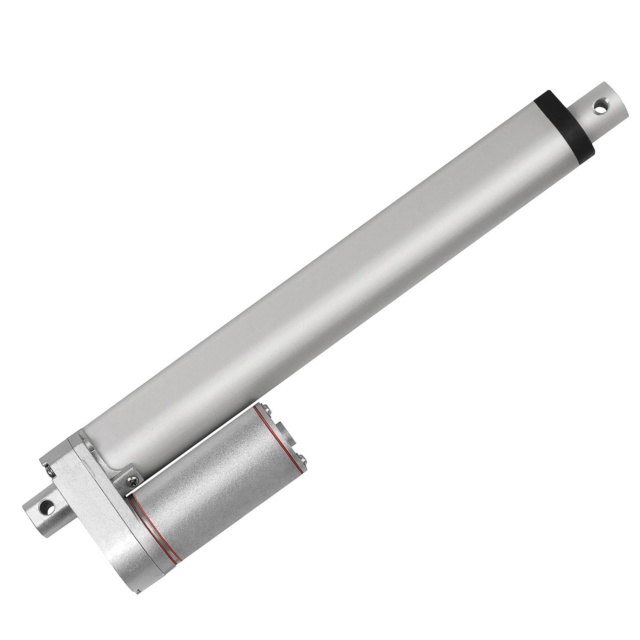
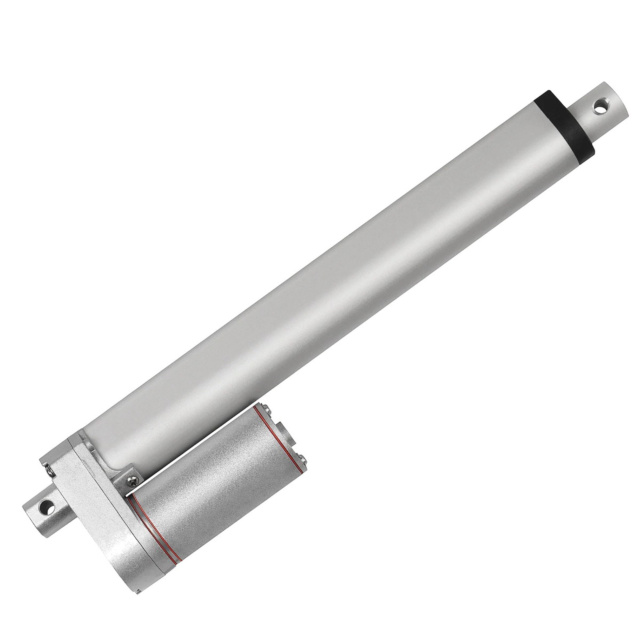
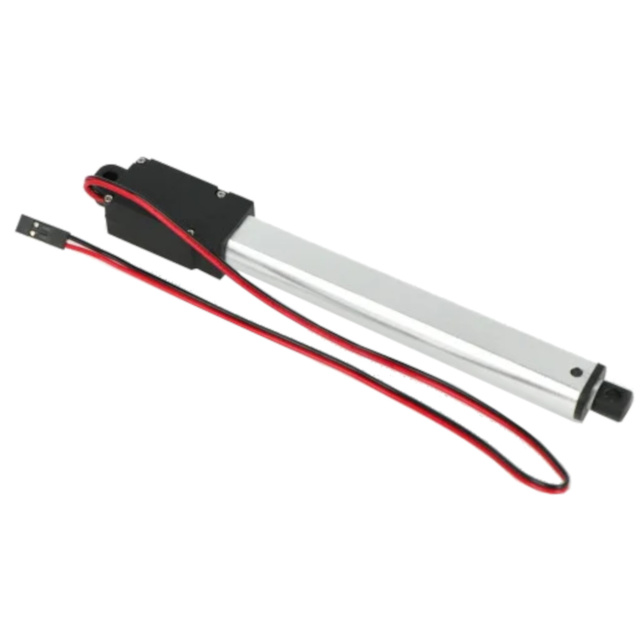
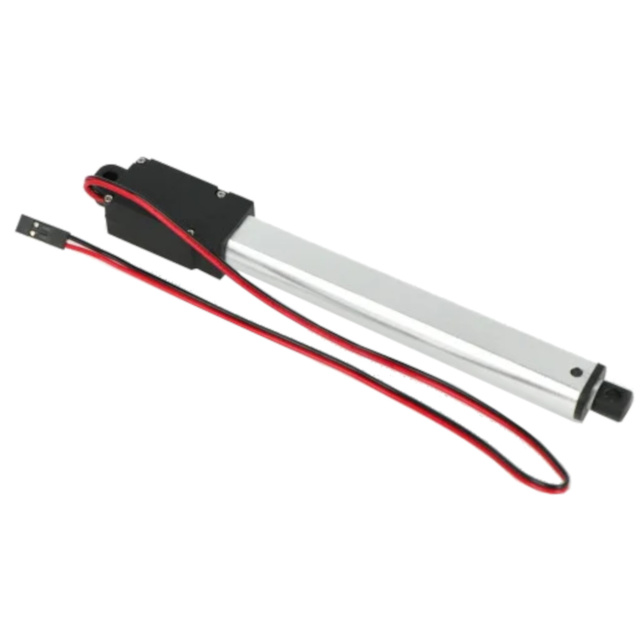
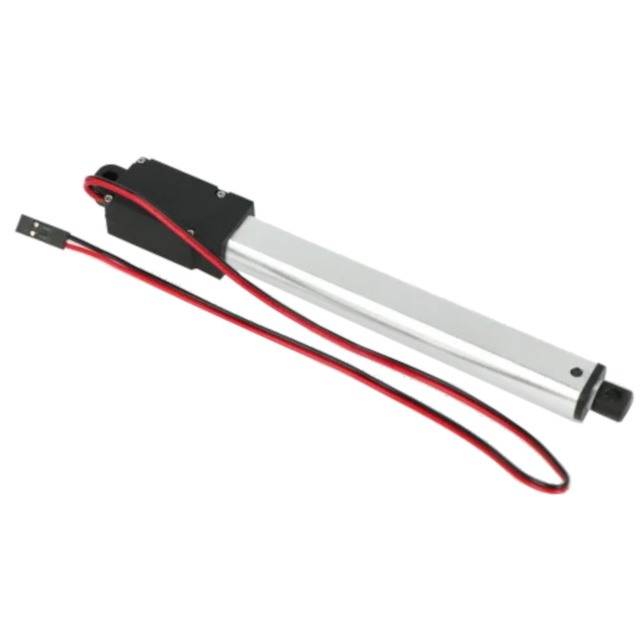
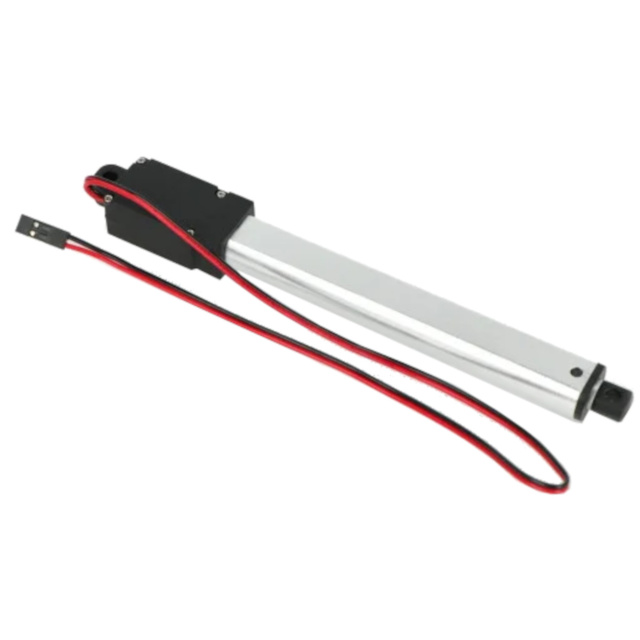
Upgrade to millimetre-perfect linear motion! This actuator replaces standard DC motors with a precision NEMA 17 stepper. It delivers 450N of force over a 100mm stroke at 20mm/s, featuring a compact, folded-back motor design perfect for tight spaces.
 1000RPM 6V Linear Actuator N20 Micro Metal Gear Motor DC Motor with M4 Screw 100mm Lead Shaft ₹549.00
 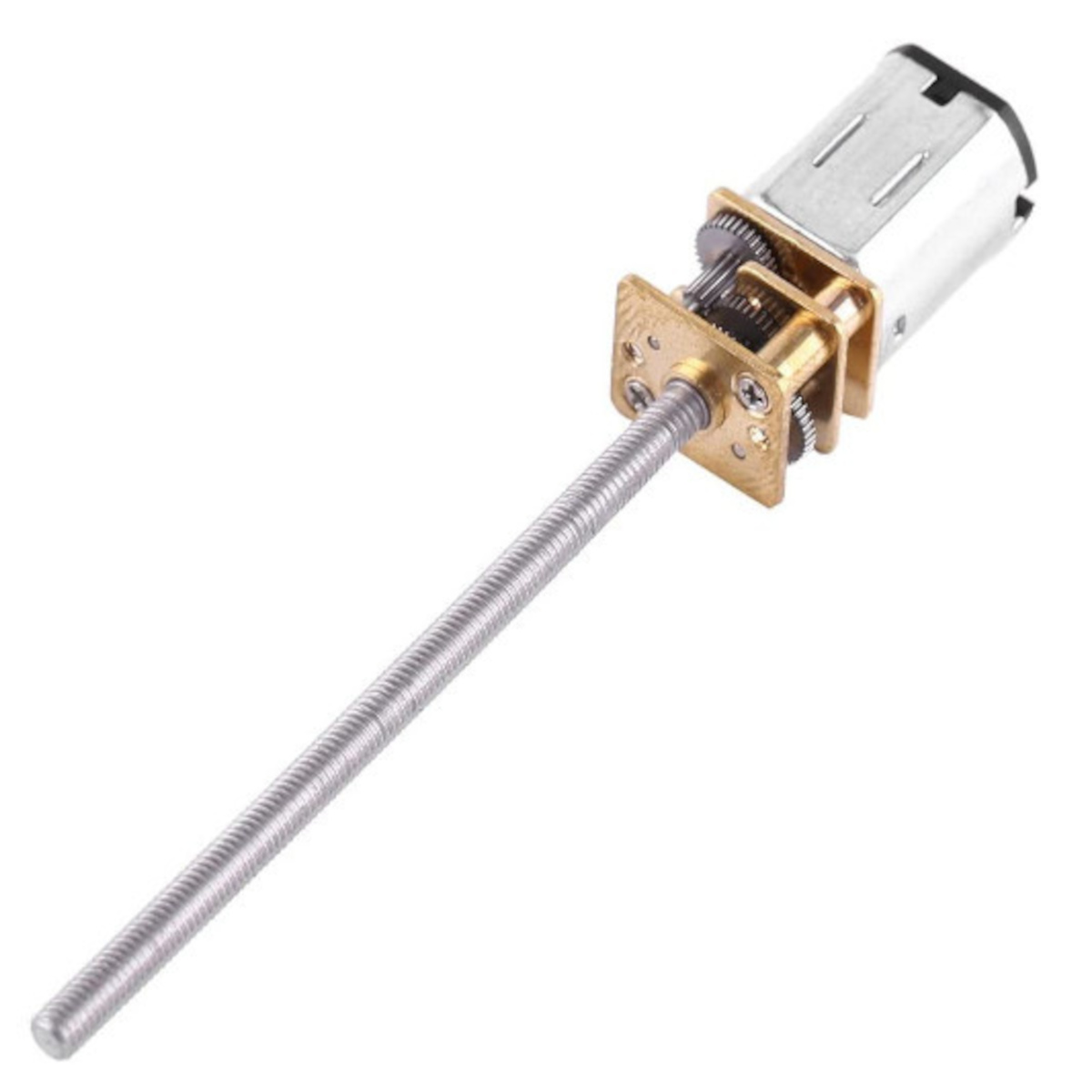 N20 Micro Metal Gear Motor 3V 15 RPM - Miniature Linear Actuator with M4 x 100mm Threaded Shaft ₹549.00
  150 RPM 3V Linear Actuator N20 Micro Metal Gear Motor DC Motor with M4 Screw 100MM Lead Shaft ₹549.00
 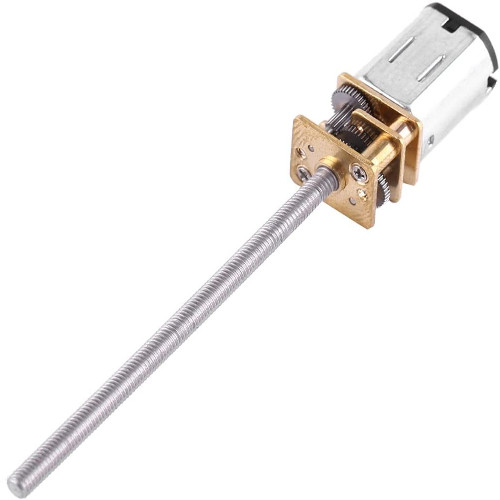 30 RPM 6V Linear Actuator N20 Micro Metal Gear Motor DC Motor with M4 Screw 100MM Lead Shaft ₹899.00
  100 RPM 6V Linear Actuator N20 Micro Metal Gear Motor DC Motor with M4 Screw 100mm Lead Shaft ₹549.00
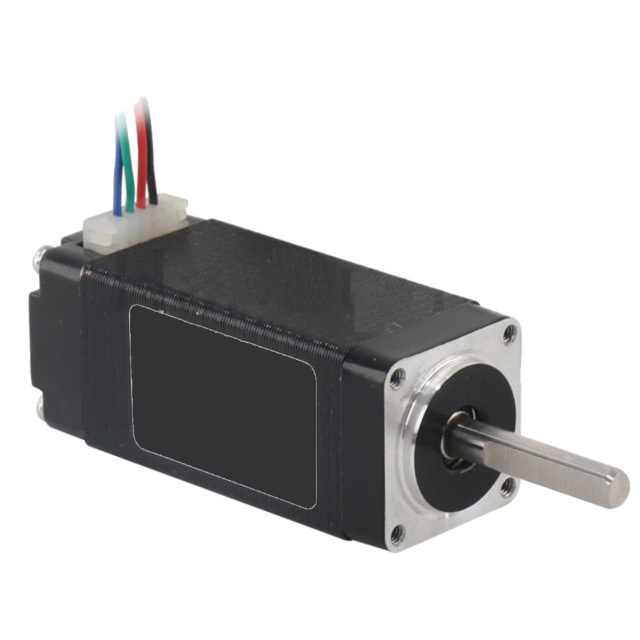
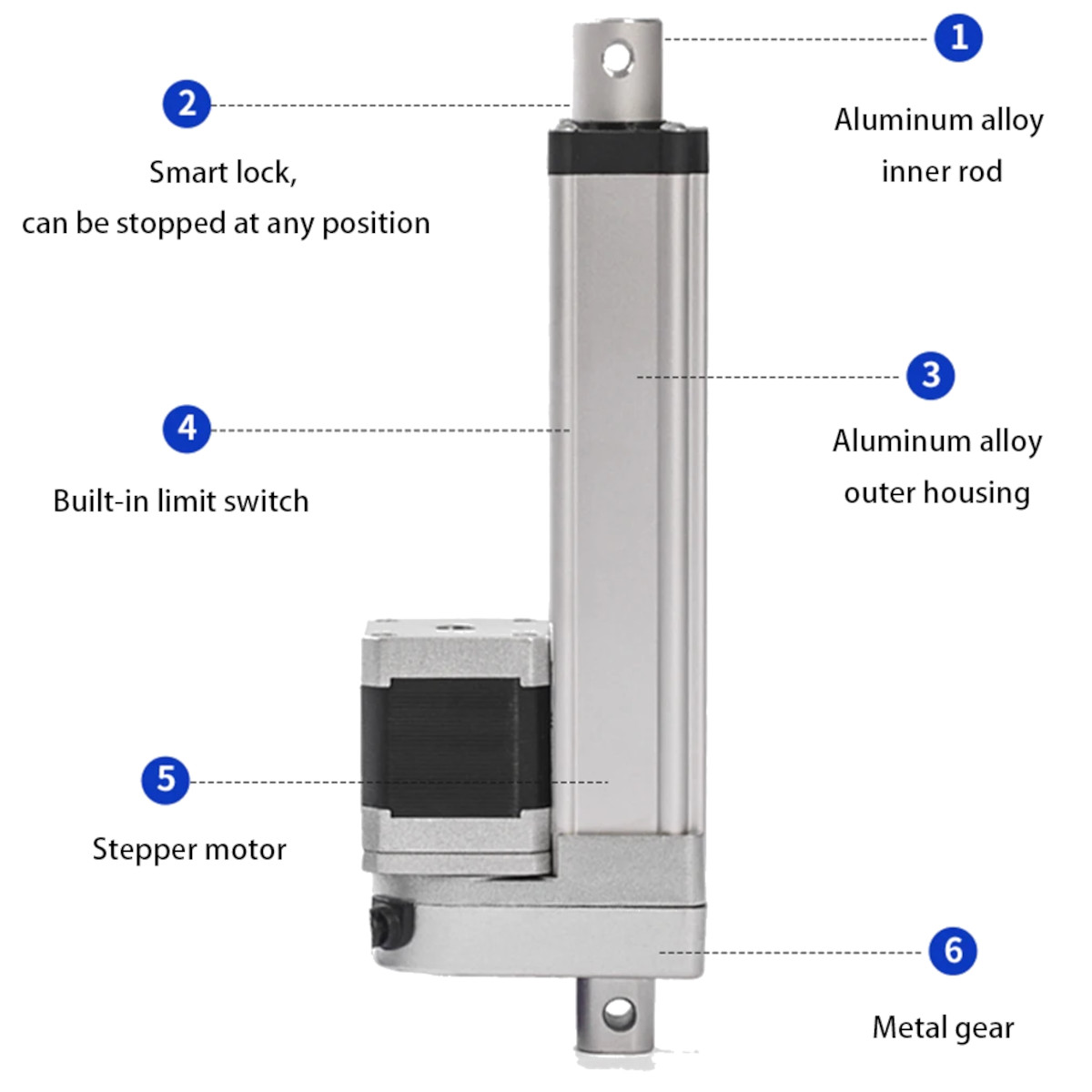
 The Stepper Positional Advantage Traditional linear actuators use standard brushed DC motors. When you apply power, they move; when you cut power, they coast to a stop. You cannot tell a DC actuator to "extend exactly 42.5 millimeters." This Stepper Linear Actuator solves that problem. Driven by a Nema 17 bipolar stepper motor, the internal lead screw only turns when it receives a specific step pulse from your driver. By calculating the pitch of the lead screw against the 200 steps-per-revolution of the motor, your Arduino can track the actuator's extension with microscopic precision, allowing for exact, repeatable positioning without relying on external string potentiometers or complex closed-loop encoders.
Heavy-Duty 450N Force Generation Do not let the precision fool you; this is a workhorse. The internal gearing and tightly machined lead screw multiply the torque of the Nema 17 motor to deliver an impressive 450 Newtons of pushing and pulling force (roughly equivalent to lifting 45 kilograms). This makes it highly capable of actuating heavy ventilation dampers, opening blast doors, or driving the Z-axis of a custom CNC routing table.
Compact "Folded-Back" Parallel Architecture Space is often at a premium in custom builds. Standard "inline" actuators have the motor sticking straight out of the back, adding massive length to the overall assembly. This unit utilizes a folded-back, parallel design. The Nema 17 motor is mounted alongside the main aluminum extrusion, transferring power via an internal synchronous belt or gear train. This drastically reduces the total un-extended length of the actuator, allowing it to fit into tight robotic joints and compact enclosures.
Inherent Self-Locking Mechanism Thanks to the friction of the internal acme lead screw combined with the natural "detent torque" of the stepper motor, this actuator is highly self-locking. Even when power is completely removed, it will hold its position against heavy back-loads without being back-driven. When the stepper driver holds the motor coils active (holding torque), the rod is essentially locked in concrete.
Note: Stepper Motor Driver not included.should be purchased separately.
Specifications
Motor Type: Bipolar Nema 17 Stepper Motor (4-Wire)
Stroke Length: 100mm
Maximum Force (Thrust/Pull): 450N (~45 kg)
Maximum Speed: 20mm/s
Operating Voltage: 6V to 24V DC (Driver dependent, 12V/24V highly recommended)
Architecture: Folded-back / Parallel mount
Mounting Type: Clevis pin holes on base and extension rod
Material: Aerospace-grade Aluminum Alloy extrusion
Key Applications and Projects
Automated Fluid Dosing: Pushing the plunger of a massive industrial syringe to dispense exact, calculated milliliters of epoxy, nutrients, or chemicals.
Custom CNC Z-Axis: Providing the rigid, high-torque lifting force required to raise and lower a heavy router spindle on a DIY CNC machine.
Sim-Racing Platforms: Building realistic motion-simulators that can aggressively shift and tilt the driver's seat based on telemetry data.
Automated Camera Sliders: Moving heavy DSLR cameras along a track with ultra-smooth, perfectly timed, and repeatable movements for cinematic time-lapses.
Unlock New Capabilities (Project Evolution) The Robotic Sorting Chute: Are you building an automated factory line in your workshop? Evolve your conveyor belt! Mount this 100mm Stepper Actuator perpendicular to your conveyor. Use a Raspberry Pi equipped with a camera and OpenCV to identify defective or incorrectly colored parts rolling down the line. Because this actuator uses a stepper motor, it doesn't just smash everything blindly. You can program it to extend exactly 40mm to nudge a small part into "Bin A", or extend the full 100mm to shove a large box into "Bin B", and instantly retract. You have just built a multi-stage, intelligent robotic sorting mechanism!
Package Includes:
This video describes the Linear Actuator Applications.
Q: How is this different from a regular linear actuator? Regular actuators use DC motors that simply extend or retract blindly. This actuator uses a stepper motor, allowing you to tell it exactly how many millimeters to move, track its position in code, and stop instantly without coasting.
Q: Can I connect this directly to a 12V battery or power supply? No! Connecting a stepper motor directly to a DC power supply will instantly short out and destroy the motor coils. You MUST use a dedicated Stepper Motor Driver.
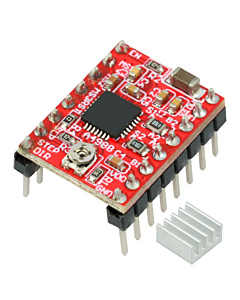
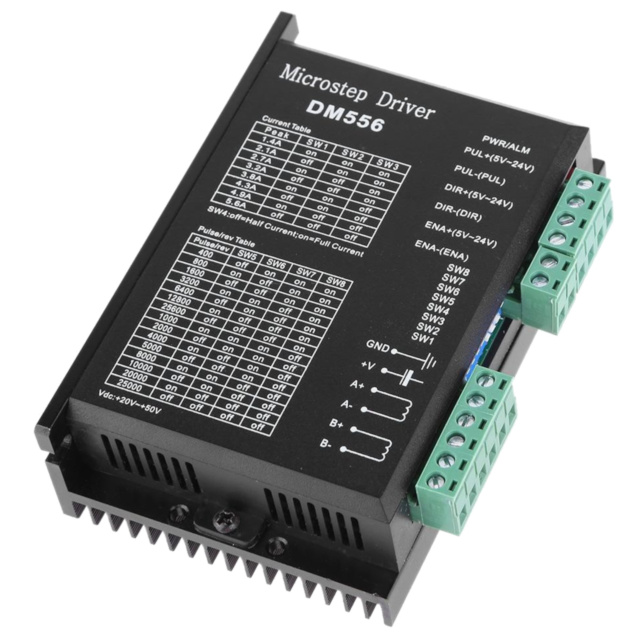
Q: What kind of driver do I need to control this? You need a bipolar stepper motor driver. For light loads, an A4988 or DRV8825 on a RAMPS board will work. For utilizing the full 450N of force, an industrial TB6600 or DM542 driver is highly recommended.
Q: Does it have built-in limit switches? No. Stepper actuators typically do not have internal limit switches. You must install external optical or mechanical endstops on your physical machine so your microcontroller knows when the actuator is fully retracted (to establish a "Zero" or "Home" position).
Q: What happens if it hits the physical end of its stroke before I stop it? The motor will aggressively stall, "skip steps", and make a loud grinding noise. Doing this repeatedly can damage the internal lead screw or gear train. Always use limit switches in your code.
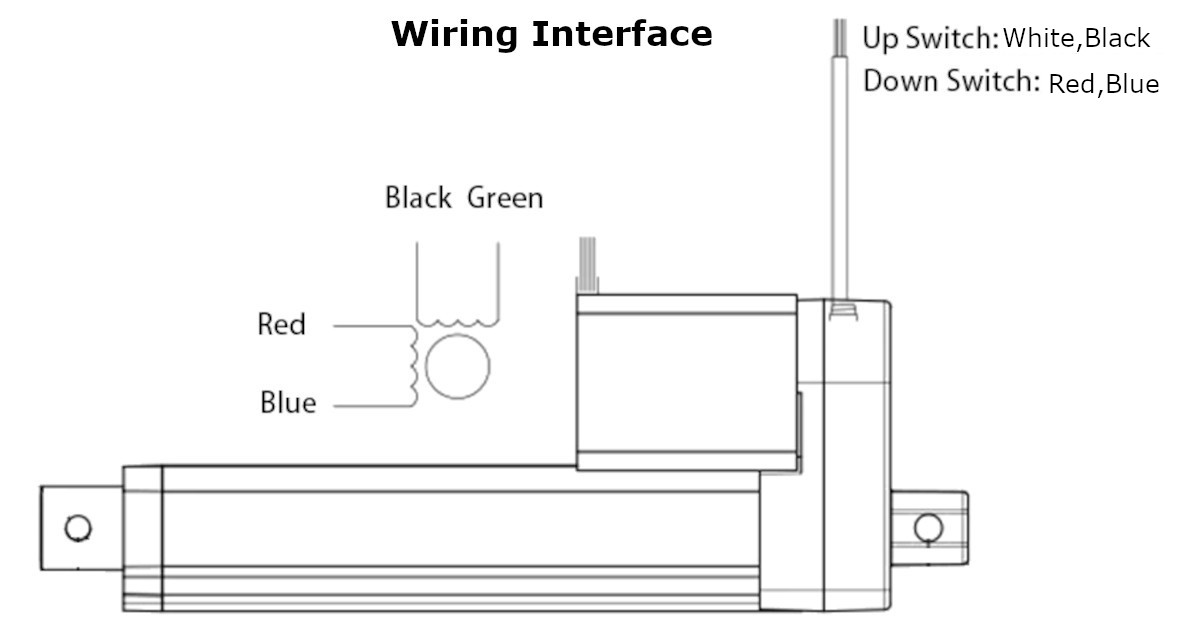
Q: How many wires does the motor have? It is a standard 4-wire bipolar stepper motor. It has two separate coil pairs (e.g., A+, A- and B+, B-).
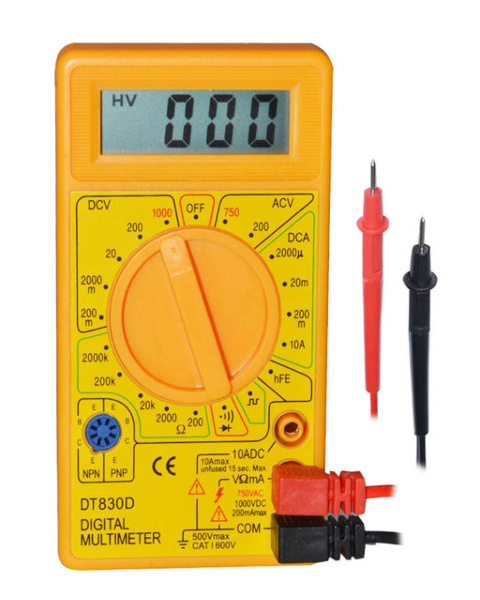
Q: How do I find which wires belong to which coil pair? Use a multimeter set to continuity mode (the beep setting). Touch the probes to two wires. If it beeps, those two wires belong to the same coil pair and should be wired into the A+ and A- ports on your driver.
Q: What voltage should I run this at? While the motor coils may be rated for a lower voltage (like 6V), stepper drivers act as current limiters. It is highly recommended to supply your driver with 12V or 24V DC to ensure the motor can maintain torque at higher speeds.
Q: What does 450N mean in practical terms? 450 Newtons is approximately equal to 45 kilograms (or 100 lbs) of lifting, pushing, or pulling force.
Q: Is 20mm/s the absolute maximum speed? 20mm/s is the rated speed for reliable torque. While you can pulse the stepper driver faster in your code to increase the speed, doing so drastically reduces the motor's torque, leading to skipped steps or stalls under load.
Q: Will it drop its load if the power goes out? No. The internal lead screw provides a high mechanical advantage. Combined with the friction of the system, it is self-locking and will not back-drive under a static load when power is removed.
Q: Can I use this with an Arduino? Yes. You wire the Arduino to your Stepper Driver (using the Step and Direction pins), and the Driver powers the actuator. You can easily control it using the standard AccelStepper library in the Arduino IDE.
Q: What does "Nema 17" mean? Nema 17 dictates the physical faceplate size of the motor (1.7 x 1.7 inches). It is the universal standard size used in almost all desktop 3D printers and desktop CNC machines.
Q: Is this actuator waterproof? No. While the aluminum extrusion is sealed, the motor housing and internal electronics are not IP-rated for underwater use or heavy rain. It is designed for indoor or protected automation environments.
Q: Why is the motor mounted on the side instead of the back? This is a "folded-back" or parallel configuration. By placing the motor parallel to the rod and connecting them internally via gears or a timing belt, the overall length of the actuator is drastically reduced, making it much easier to fit into compact projects.
Q: Can I manually extend or retract the rod by pulling it? No. Because of the mechanical gear ratio and the lead screw, attempting to forcefully push or pull the rod by hand will not work and may damage the internal threads. It must be moved electrically.
| Technical Details |
Stepper Motor Linear Actuator-Dimensions
Stepper Motor Linear Actuator-Wiring Interface |
|---|---|
| Actuator Type | Stepper Motor Actuator |
| Operating Environment | Indoor Use |
| Stroke Length (mm): | 100 |
| Load Capacity (Force) | Medium Duty (100N - 500N) |
| Travel Speed(mm/s) | 20 |
| Voltage | 6V-24V DC |
Probots sells every Electronics Part for your next Project. You can order 10,000+ Electronic Parts Online - Arduino, Raspberry Pi, NodeMCU Development Boards, Sensors, Motors, Motor Drivers, SMPS, Plastic Enclosures etc in India directly on probots.co.in
We delivery electronics components and parts throughout India using standard couriers like Bluedart, Delhivery & India Post.
For order related queries contact -
This item is covered by a warranty of 7 days from the date of delivery, against confirmed manufacturing defects only, as verified by Probots' own testing and investigation. In case of a confirmed defect, we will replace the item — a refund is issued only if a replacement can't be supplied (e.g. discontinued or out of stock). Transit damage or a wrong item received must be reported within 3 days of delivery.
If the product shows signs of misuse, tampering, physical damage, static discharge, liquid or fire damage, use of unapproved chemicals, or has been soldered or physically altered in any way.
China
Probots sells every Electronics Part for your next Project. You can order 10,000+ Electronic Parts Online - Arduino, Raspberry Pi, NodeMCU Development Boards, Sensors, Motors, Motor Drivers, SMPS, Plastic Enclosures etc in India directly on probots.co.in
We offer specialized services for Bulk, Wholesale & B2B Customers like discounted prices, additional shipping options, customised products, etc . Customer with large quantity & regular orders qualify for the specialised discounted rates.
We also offer dedicated sales team to assist you with the order process by providing sales quotations, PI, technical support for choosing products, etc.
Note: Business Orders are processed manually and usually take 1-3 days to process compared to placing the order directly on our website. Please plan your purchases accordingly.
Need Help?
For bulk enquiries contact us by -
Probots Electronics is highly regarded for its highly skilled team and knowledgeable staff who provide expert guidance to ensure customers select the right components for their technical projects. The business maintains a strong reputation for prompt service and reliable support, with many clients praising their quick response times and genuine commitment to customer satisfaction.


A very great place for electronics Such a well maintained shop... Felt good shopping here


Nice

For new developments kit available and they will support till working, and I suggest this place strongly


This place has all the electronic parts students will ever need, staff is friendly and the place is organised.


It was a really nice experience! I was happy to find such a wide range of robotics kits for kids, suitable for different age groups and learning levels.

Excellent experience




Good stuff

Buyed them. But no bargain. Helpful staff.


Available all children school project spears parts like electronics


It was good experience




Staff is very patient and helpful

One of the best place for electronics you will get everything you want! With the best and orginal quality

Very helpful staff and the best place to buy components for projects

Wonderful store with expert service and technically strong people.

Prompt delivery, excellent technical support


Large inventory of electronic components and parts. Well trained service personnel and technicians who can quickly identify and rectify product defect if any. They are a reliable and trustworthy online stores.

A very great place for electronics Such a well maintained shop... Felt good shopping here
Nice
For new developments kit available and they will support till working, and I suggest this place strongly
This place has all the electronic parts students will ever need, staff is friendly and the place is organised.
It was a really nice experience! I was happy to find such a wide range of robotics kits for kids, suitable for different age groups and learning levels.
Excellent experience
Good stuff
Buyed them. But no bargain. Helpful staff.
Available all children school project spears parts like electronics
It was good experience
Staff is very patient and helpful
One of the best place for electronics you will get everything you want! With the best and orginal quality
Very helpful staff and the best place to buy components for projects
Wonderful store with expert service and technically strong people.
Prompt delivery, excellent technical support
Large inventory of electronic components and parts. Well trained service personnel and technicians who can quickly identify and rectify product defect if any. They are a reliable and trustworthy online stores.
● 20 min readVol. 56 | The Heavyweight DC Drivetrain Duel Reliability isn’t optional when you’re designing actuators that need to move actual steel or
Read Article → ● 13 min read
Workbench Vol. 49 🚀 The Project Trifecta: 3 Builds to Start Today We don’t just stock parts; we curate ecosystems. This week’s arrivals are desi
Read Article → ● 18 min read
Vol. 59 | The Battle of the Bite-Sized Boards Picture a project that needs full Linux, networking, and GPIO—but has almost no room for a conventional
Read Article →