














 ● 20 min read
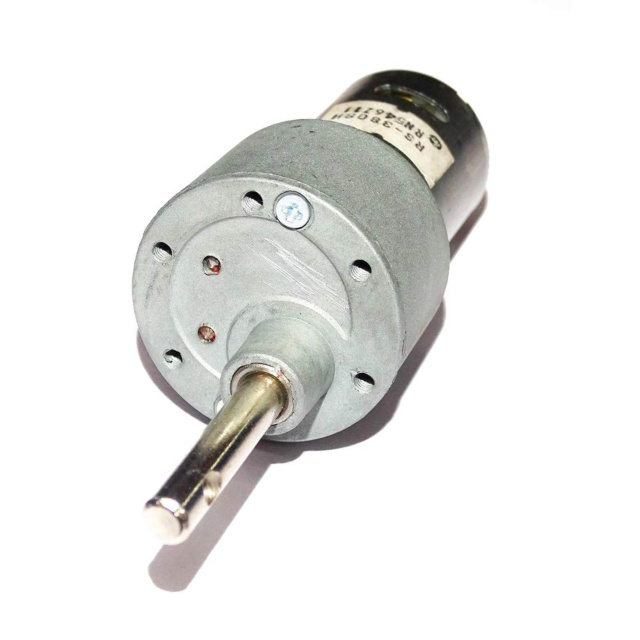
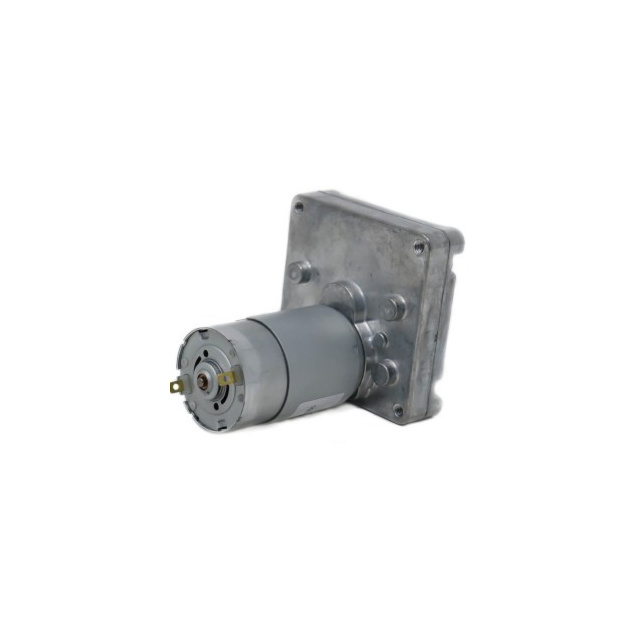
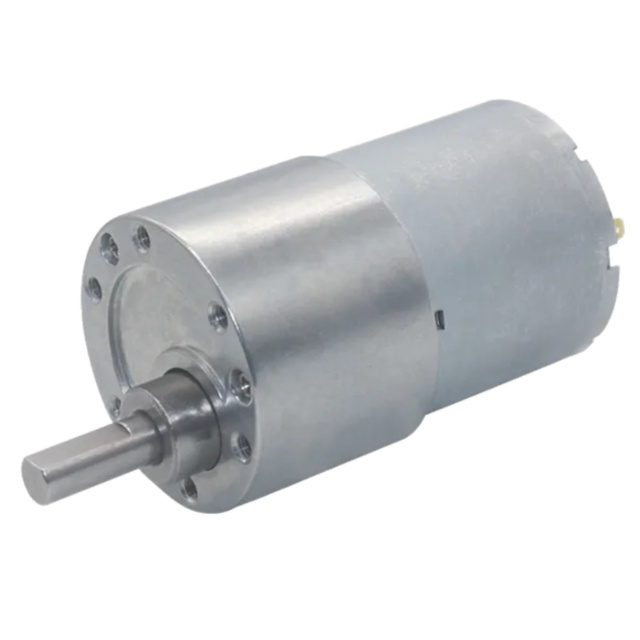
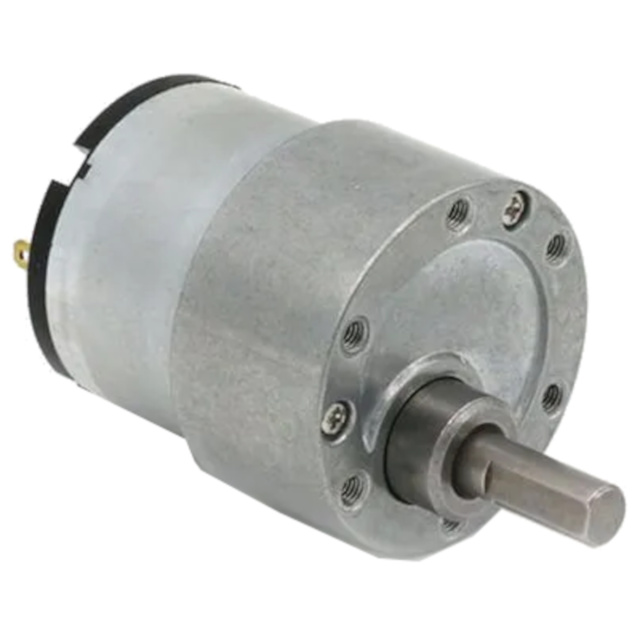
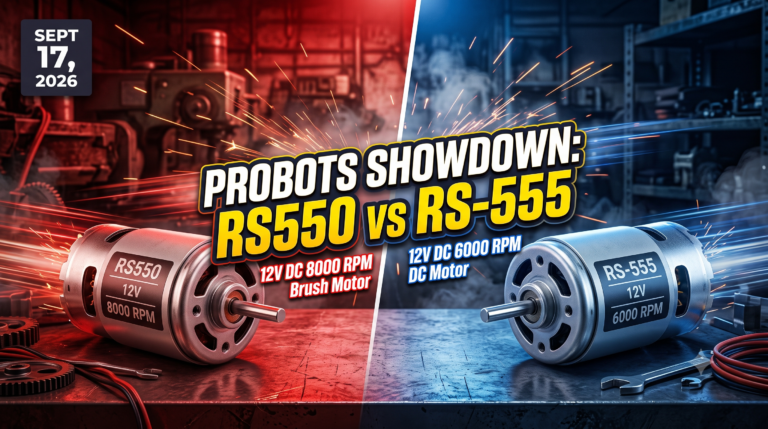
Showdown: RS550 12V DC 8000 vs RS-555 12V DC 6000 RPM DC Motor
Vol. 56 | The Heavyweight DC Drivetrain Duel Reliability isn’t optional when you’re designing actuators that need to move actual steel or
Read Article →
| Bulk Pricing | ||
|---|---|---|
| QTY | Unit Price(Inlc. GST) | |
| 10+ | ₹2,449.02 ₹ 2075.44 + 373.58 GST | |
| 20+ | ₹2,424.03 ₹ 2054.26 + 369.77 GST | |
| 30+ | ₹2,399.04 ₹ 2033.08 + 365.95 GST | |
| 50+ | ₹2,349.06 ₹ 1990.73 + 358.33 GST | |
Never kill a houseplant again! The LILYGO T-Higrow is a soil-insertable ESP32 board featuring a DHT11 temperature/humidity sensor, a BH1750 light sensor, and built-in capacitive soil moisture and fertility sensors. Connects directly to Wi-Fi and Bluetooth.
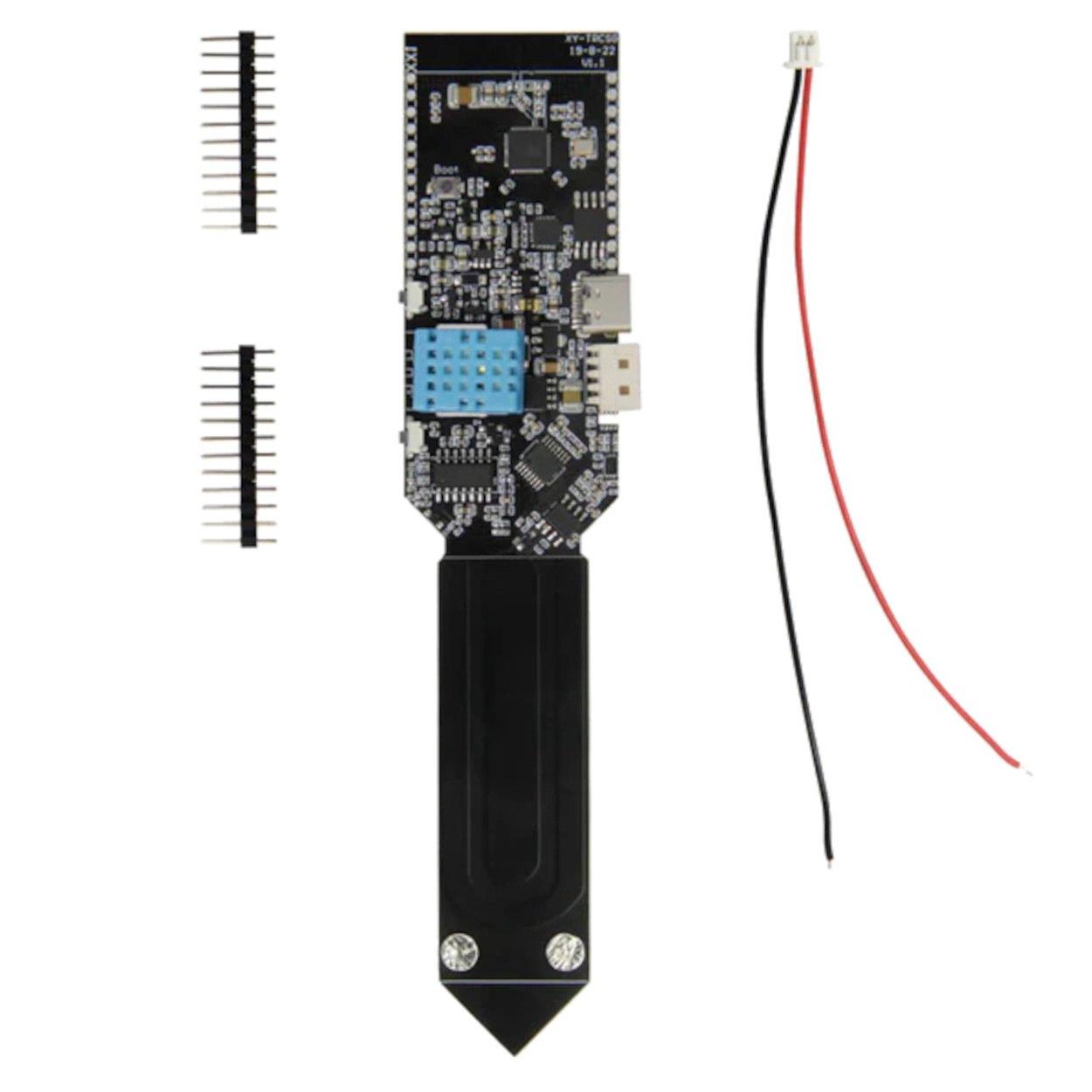
The Ultimate Botanical Dashboard The T-Higrow eliminates the need to wire multiple disparate sensors together. LILYGO has engineered a single, spear-shaped PCB designed to be inserted directly into the dirt of your potted plants. The lower half of the board acts as a capacitive soil moisture sensor, which is highly superior to cheap resistive sensors because it prevents rapid galvanic corrosion of the probes. The very tip of the spear features two exposed metal nodes that act as an EC (Electrical Conductivity) sensor, allowing you to estimate the nutrient/fertilizer levels in the soil.
Complete Environmental Profiling A plant's health relies on more than just water. The upper portion of the T-Higrow (which remains above the soil) houses a classic blue DHT11 sensor to monitor the ambient room temperature and humidity. Furthermore, it includes a BH1750 ambient light sensor, giving you precise lux readings to ensure your plant is receiving the optimal amount of sunlight.
Connected and Self-Sustaining At the heart of the T-Higrow is the trusted Espressif ESP32 microcontroller, providing robust 2.4 GHz Wi-Fi and Bluetooth connectivity. This allows the board to effortlessly push its sensor telemetry to cloud dashboards, custom smartphone apps, or local Home Assistant servers. Because plants are rarely located next to wall outlets, the board features a built-in JST connector and charging circuit for a 3.7V LiPo battery. By programming the ESP32 to enter deep sleep between hourly sensor readings, a small battery can power the T-Higrow for weeks or even months!
Specifications
Microcontroller: ESP32 (Dual-core, up to 240 MHz)
Flash Memory: 4MB
PSRAM: None
Wireless: 2.4 GHz Wi-Fi (802.11 b/g/n) & Bluetooth v4.2 BR/EDR and BLE
Temperature & Humidity Sensor: DHT11 (Wired to GPIO16)
Ambient Light Sensor: BH1750 (I2C: SDA IO25, SCL IO26)
Soil Moisture Sensor: Capacitive (Wired to IO32)
Soil Fertility (EC) Sensor: Conductive Nodes (Wired to IO34)
USB-to-Serial Chip: CH9102
Power Interface: USB Type-C & JST 1.25mm Battery Connector
Key Applications and Projects
Automated Smart Greenhouses: Integrating the T-Higrow with Home Assistant. When the soil moisture drops below a specific threshold, the ESP32 triggers a smart relay to activate a drip irrigation pump automatically.
Houseplant Health Dashboards: Pushing temperature, light, and moisture data to a Grafana or ThingsBoard dashboard to visually track the historical health of delicate exotic plants.
Botanical Alert Systems: Programming the board to send a Telegram message or push notification to your phone when your plant needs watering or fertilizer.
Unlock New Capabilities (Project Evolution) The Talking, Thirsty Plant: Give your favorite houseplant a personality! Because the T-Higrow is built on the ESP32, you can easily interface it with external hardware. Solder a small MP3 decoder module and a speaker to the T-Higrow's exposed GPIO pins. Program the ESP32 so that when the capacitive soil sensor reads a critically low moisture level, the plant literally "speaks" to you as you walk by, playing an audio file saying, "Hey, I'm thirsty! Please water me!"
1 x LILYGO T-Higrow Board (with DHT11)
1 x JST 1.25mm Battery Power Cable
2 x Male Pin Headers (Unsoldered)
Downloads & Links

1. What microcontroller drives the T-Higrow? It is powered by the Espressif ESP32 dual-core microprocessor.
2. How does the soil moisture sensor work? The long, black lower half of the board uses capacitive sensing. It measures changes in capacitance caused by the dielectric permittivity of the surrounding soil (which changes based on water content).
3. Why is capacitive sensing better than resistive? Cheap resistive sensors pass an electrical current directly through the soil via exposed metal prongs, which causes rapid corrosion and destroys the sensor within weeks. Capacitive sensors are coated in solder mask and do not expose bare metal to the wet soil (except for the tiny EC nodes at the very tip), drastically increasing their lifespan.
4. What do the two metal dots at the tip do? Those two exposed nodes are the EC (Electrical Conductivity) sensor, also known as the fertility sensor. They measure the conductivity of the soil to estimate the concentration of salts and nutrients (fertilizer).
5. How far should I insert the board into the soil? You should insert the black "spear" portion into the soil up to the white line printed on the PCB. Do not submerge the electronic components on the upper half of the board.
6. Is the top half of the board waterproof? No. The upper half housing the ESP32, DHT11, and light sensor is completely exposed. If you are using this outdoors or in an environment where you spray water, you must design or 3D print a protective cover for the top half.
7. What is the DHT11 used for? The blue DHT11 component measures the ambient temperature and humidity of the air surrounding the plant. It does not measure soil temperature.
8. What is the BH1750 used for? The BH1750 is a digital ambient light sensor. It measures the intensity of light (in lux) hitting the plant, allowing you to determine if it is getting enough sun.
9. How do I power the T-Higrow? You can power it via the USB Type-C port, or you can attach a 3.7V Lithium Polymer (LiPo) battery to the JST connector on the back.
10. Does the board charge the battery? Yes, if a LiPo battery is attached to the JST port, plugging in a USB-C cable will safely charge the battery.
11. How do I read the battery level? The board usually has a voltage divider circuit routed to an ADC pin (often GPIO 35 or 33, check specific board revision) allowing you to monitor the battery voltage in your software.
12. How do I program this board? You connect it to your computer via the USB Type-C port. This specific version uses the CH9102 USB-to-Serial chip. You may need to download the CH9102 drivers for your operating system if the port does not appear.
13. What settings should I use in the Arduino IDE? Select the standard "ESP32 Dev Module". You can program it using Arduino C++, MicroPython, or ESPHome.
14. Are there any physical buttons? Yes, there are physical Reset and Wake buttons located on the side edges of the board.
15. How do I access the data on my phone? You can write custom code to push the sensor data to a cloud service (like Blynk, ThingSpeak, or an MQTT broker) and view it on a companion app, or you can use LILYGO's provided example firmware and mobile application.
16. Which pins are the sensors connected to? According to the pinmap: The DHT11 is on GPIO16, the BH1750 uses I2C (SDA 25, SCL 26), Soil Moisture is on IO32, and Soil Fertility is on IO34.
17. Do I need to calibrate the soil moisture sensor? Yes. Capacitive sensors provide raw analog values. You must write a simple sketch to read the value when the sensor is completely dry (in the air) and completely submerged in a glass of water. You then map those two extremes to 0% and 100% in your final code.
18. What logic voltage does the board use? Like all ESP32 microcontrollers, the GPIO pins operate strictly on 3.3V logic.
19. What are the unpopulated pin holes on the side for? These break out power (5V, 3V3, GND) and unused GPIO pins, allowing you to solder the included headers and attach external modules like relays or MP3 players.
20. My computer doesn't recognize the board. Why? First, ensure your USB-C cable is a data cable, not just a charging cable. Second, ensure you have installed the CH9102/CP210X serial drivers for your OS.

| Core Chipset: | ESP32 |
|---|---|
| Flash Memory: | 4 MB |
| PSRAM: | 2MB |
| Wireless Connectivity: | WiFi, Bluetooth |
| Antenna Type: | Onboard Ceramic Chip, IPEX |
Probots sells every Electronics Part for your next Project. You can order 10,000+ Electronic Parts Online - Arduino, Raspberry Pi, NodeMCU Development Boards, Sensors, Motors, Motor Drivers, SMPS, Plastic Enclosures etc in India directly on probots.co.in
We delivery electronics components and parts throughout India using standard couriers like Bluedart, Delhivery & India Post.
For order related queries contact -
This item is covered by a warranty of 7 days from the date of delivery, against confirmed manufacturing defects only, as verified by Probots' own testing and investigation. In case of a confirmed defect, we will replace the item — a refund is issued only if a replacement can't be supplied (e.g. discontinued or out of stock). Transit damage or a wrong item received must be reported within 3 days of delivery.
If the product shows signs of misuse, tampering, physical damage, static discharge, liquid or fire damage, use of unapproved chemicals, or has been soldered or physically altered in any way.
China
Probots sells every Electronics Part for your next Project. You can order 10,000+ Electronic Parts Online - Arduino, Raspberry Pi, NodeMCU Development Boards, Sensors, Motors, Motor Drivers, SMPS, Plastic Enclosures etc in India directly on probots.co.in
We offer specialized services for Bulk, Wholesale & B2B Customers like discounted prices, additional shipping options, customised products, etc . Customer with large quantity & regular orders qualify for the specialised discounted rates.
We also offer dedicated sales team to assist you with the order process by providing sales quotations, PI, technical support for choosing products, etc.
Note: Business Orders are processed manually and usually take 1-3 days to process compared to placing the order directly on our website. Please plan your purchases accordingly.
Need Help?
For bulk enquiries contact us by -

Probots Electronics is highly regarded for its highly skilled team and knowledgeable staff who provide expert guidance to ensure customers select the right components for their technical projects. The business maintains a strong reputation for prompt service and reliable support, with many clients praising their quick response times and genuine commitment to customer satisfaction.


A very great place for electronics Such a well maintained shop... Felt good shopping here


Nice

For new developments kit available and they will support till working, and I suggest this place strongly


This place has all the electronic parts students will ever need, staff is friendly and the place is organised.


It was a really nice experience! I was happy to find such a wide range of robotics kits for kids, suitable for different age groups and learning levels.

Excellent experience




Good stuff

Buyed them. But no bargain. Helpful staff.


Available all children school project spears parts like electronics


It was good experience




Staff is very patient and helpful

One of the best place for electronics you will get everything you want! With the best and orginal quality

Very helpful staff and the best place to buy components for projects

Wonderful store with expert service and technically strong people.

Prompt delivery, excellent technical support


Large inventory of electronic components and parts. Well trained service personnel and technicians who can quickly identify and rectify product defect if any. They are a reliable and trustworthy online stores.

A very great place for electronics Such a well maintained shop... Felt good shopping here
Nice
For new developments kit available and they will support till working, and I suggest this place strongly
This place has all the electronic parts students will ever need, staff is friendly and the place is organised.
It was a really nice experience! I was happy to find such a wide range of robotics kits for kids, suitable for different age groups and learning levels.
Excellent experience
Good stuff
Buyed them. But no bargain. Helpful staff.
Available all children school project spears parts like electronics
It was good experience
Staff is very patient and helpful
One of the best place for electronics you will get everything you want! With the best and orginal quality
Very helpful staff and the best place to buy components for projects
Wonderful store with expert service and technically strong people.
Prompt delivery, excellent technical support
Large inventory of electronic components and parts. Well trained service personnel and technicians who can quickly identify and rectify product defect if any. They are a reliable and trustworthy online stores.
● 20 min readVol. 56 | The Heavyweight DC Drivetrain Duel Reliability isn’t optional when you’re designing actuators that need to move actual steel or
Read Article → ● 13 min read
Workbench Vol. 49 🚀 The Project Trifecta: 3 Builds to Start Today We don’t just stock parts; we curate ecosystems. This week’s arrivals are desi
Read Article →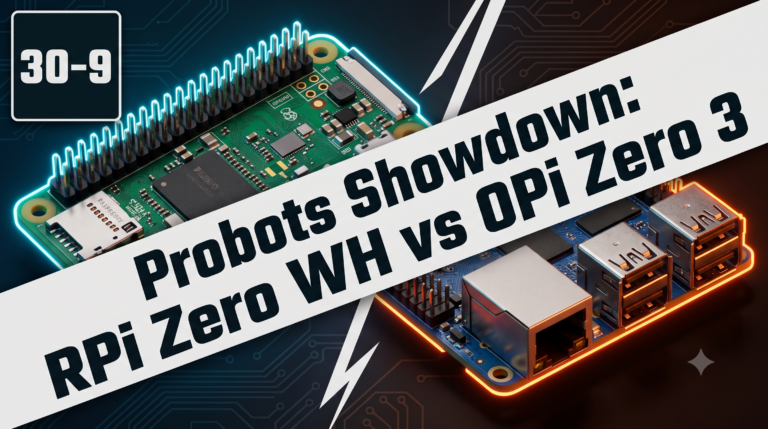 ● 18 min read
Vol. 59 | The Battle of the Bite-Sized Boards Picture a project that needs full Linux, networking, and GPIO—but has almost no room for a conventional
Read Article →