



















 ● 20 min read
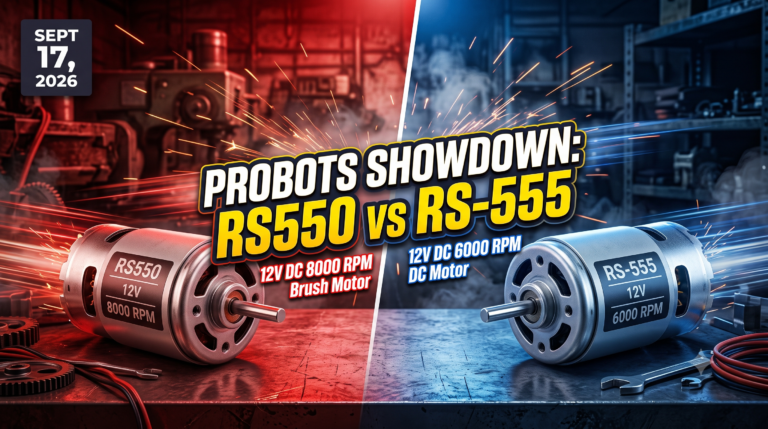
Showdown: RS550 12V DC 8000 vs RS-555 12V DC 6000 RPM DC Motor
Vol. 56 | The Heavyweight DC Drivetrain Duel Reliability isn’t optional when you’re designing actuators that need to move actual steel or
Read Article →
| Bulk Pricing | ||
|---|---|---|
| QTY | Unit Price(Inlc. GST) | |
| 25+ | ₹87.22 ₹ 73.92 + 13.31 GST | |
| 50+ | ₹86.33 ₹ 73.16 + 13.17 GST | |
| 75+ | ₹85.44 ₹ 72.41 + 13.03 GST | |
| 100+ | ₹83.66 ₹ 70.9 + 12.76 GST | |
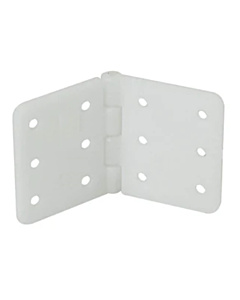
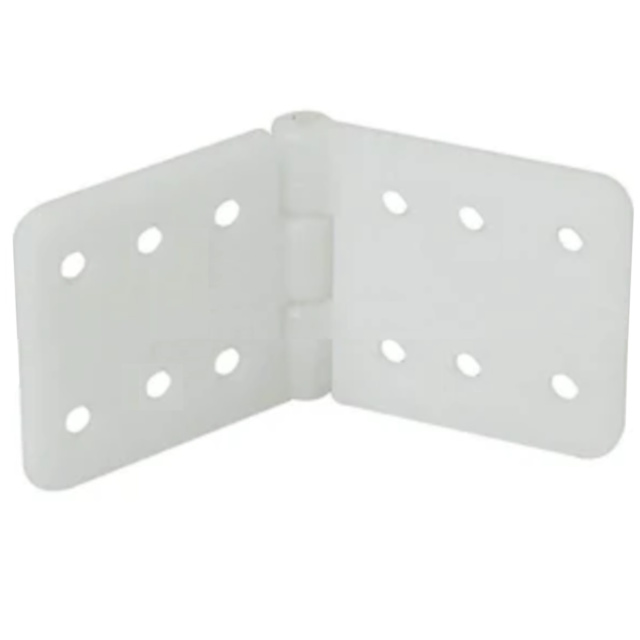
Secure your RC plane's control surfaces! These heavy-duty 20x36mm nylon hinges feature a friction-free center pin and 6 glue holes per leaf. They offer maximum pull-out resistance for balsa and foam aircraft.
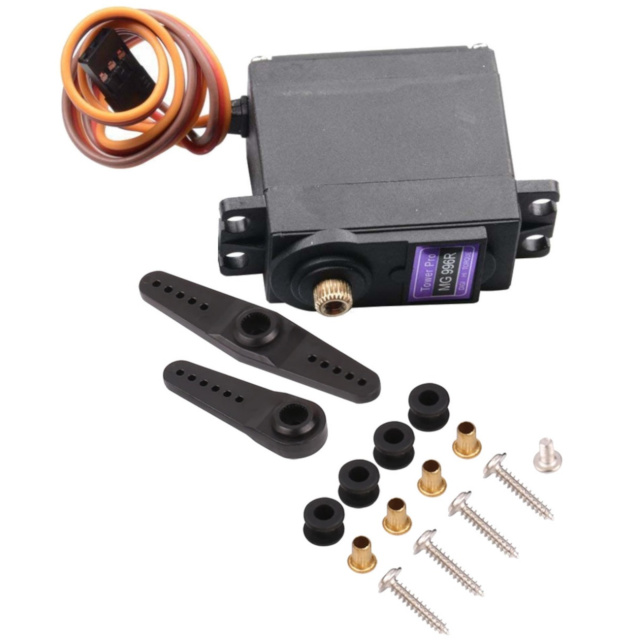
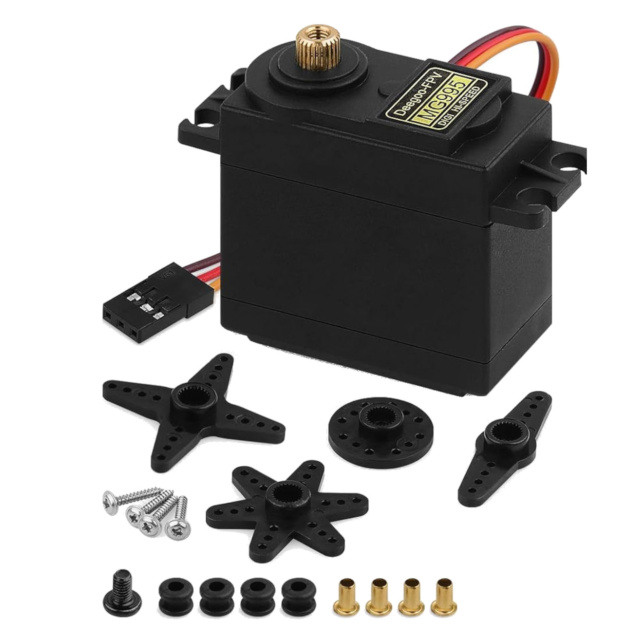
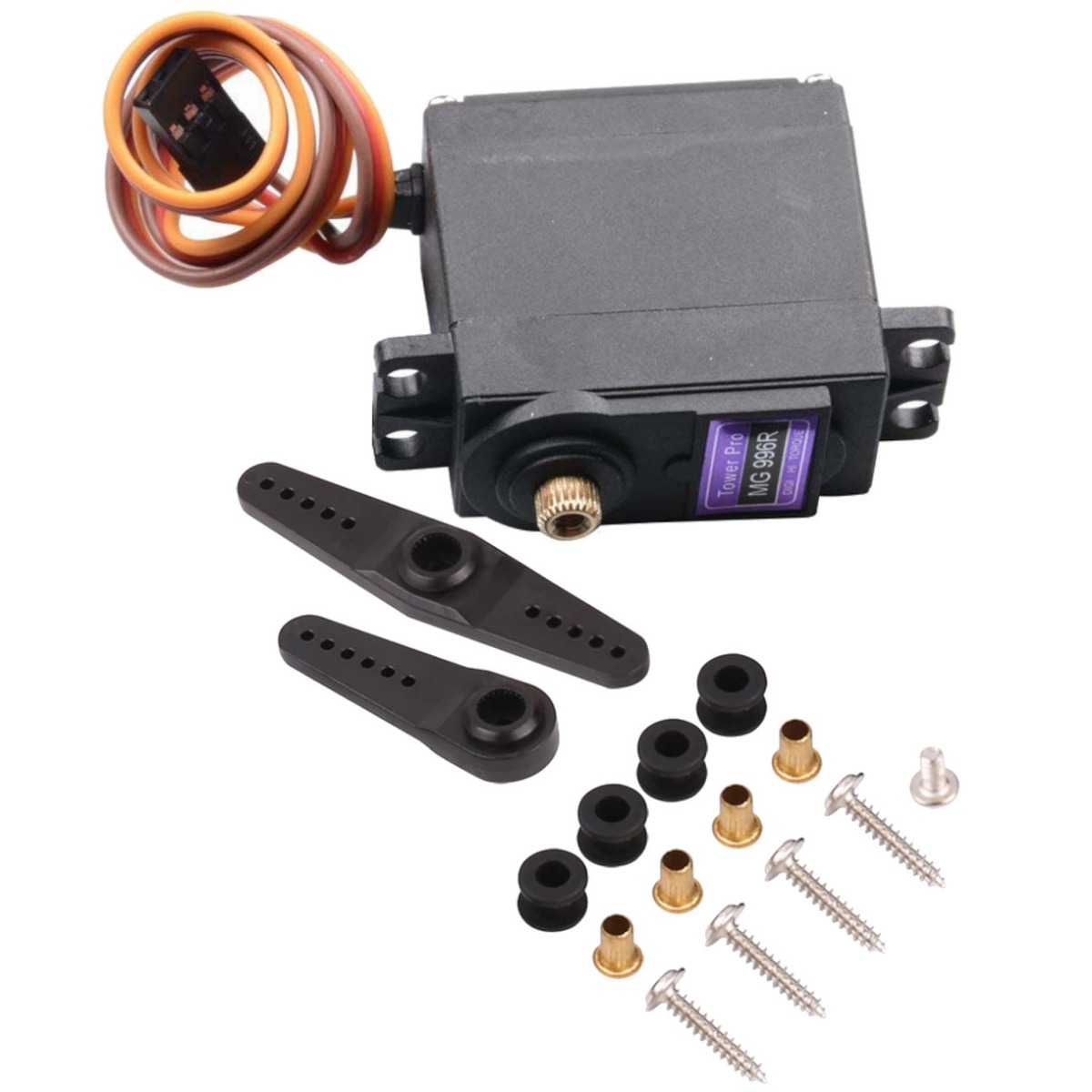 High-Torque MG996R Metal Gear Digital Servo 13KG 180° ₹449.00
 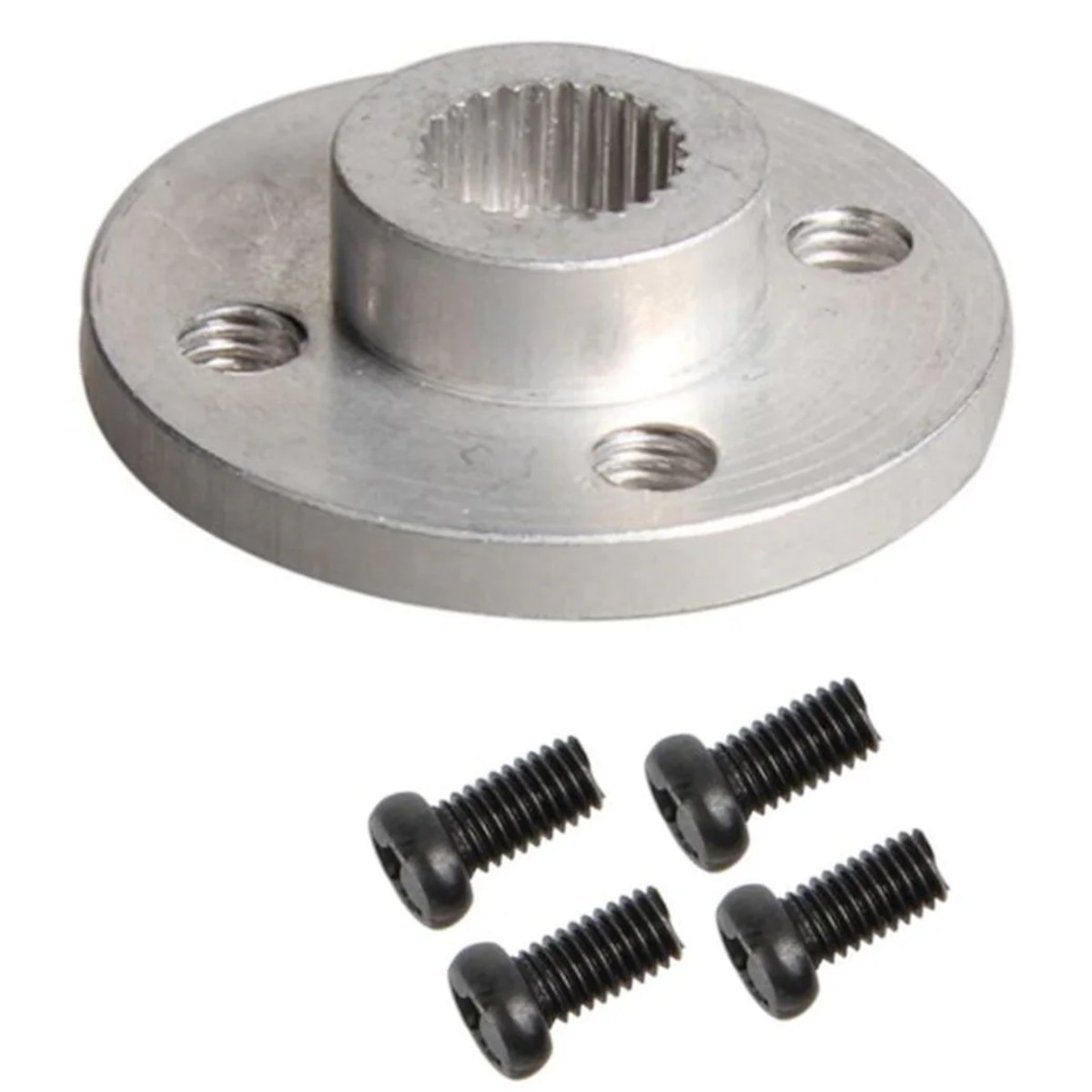 25T Circular Aluminum Metal Servo Horn - For MG996R, MG995, Futaba ₹39.00
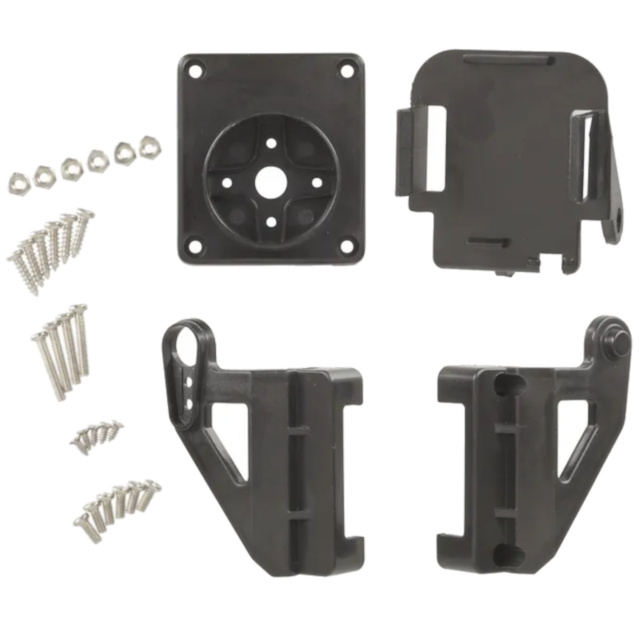
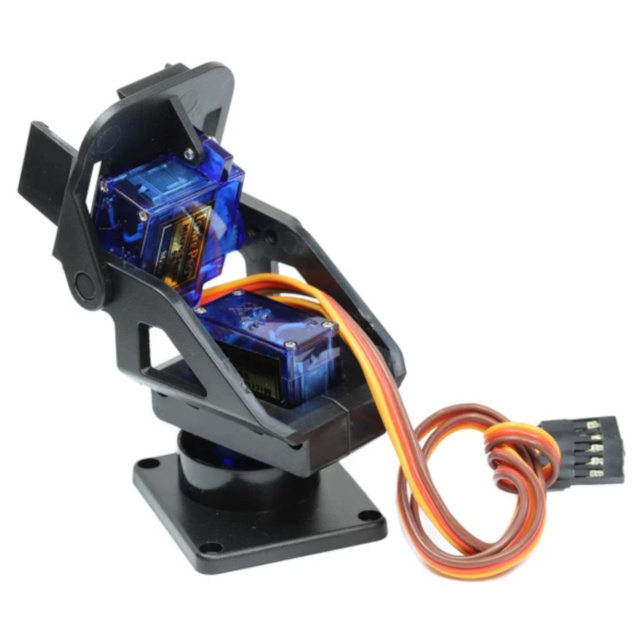
 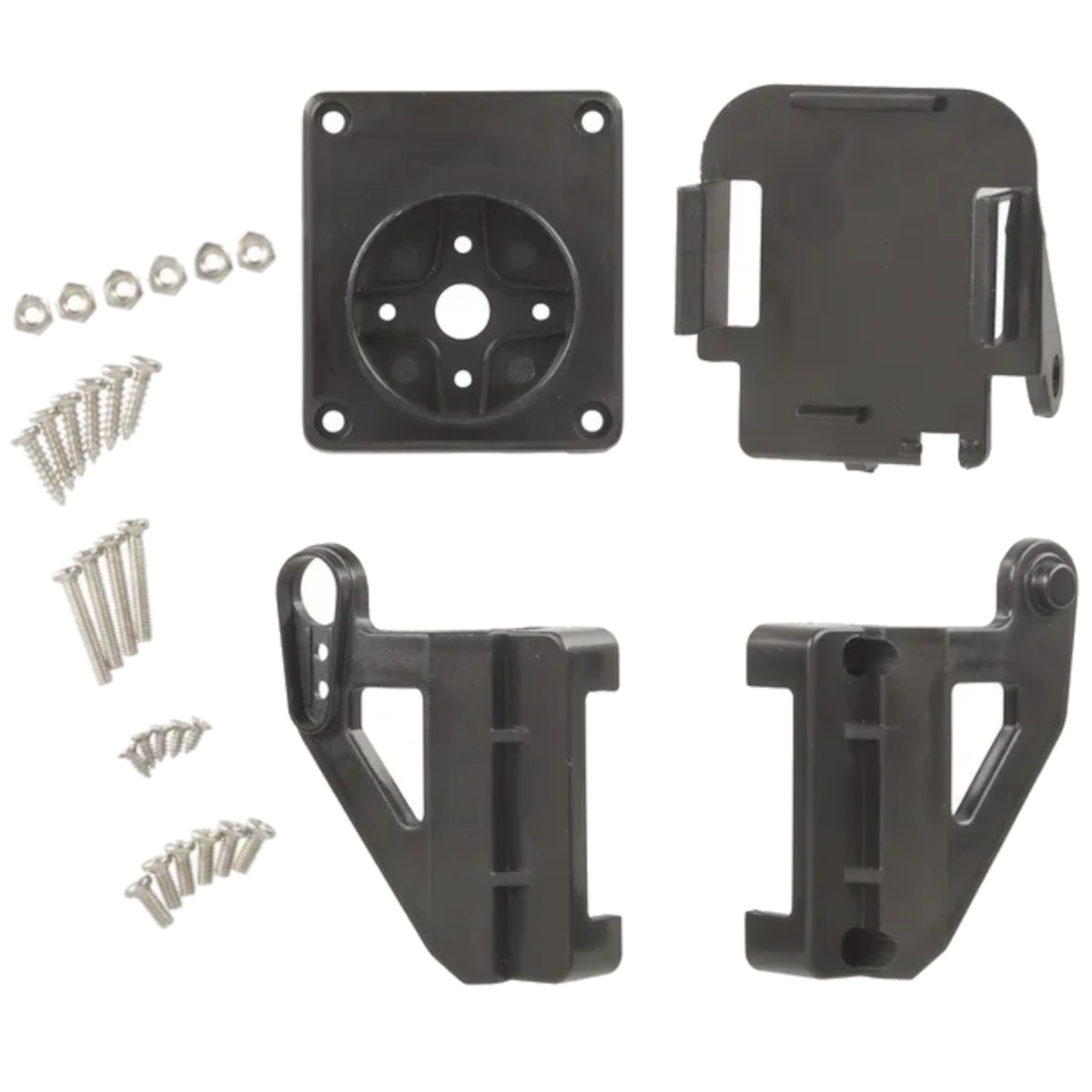 2-Axis Micro Servo Pan/Tilt Camera & Sensor Gimbal Bracket (No Servos) ₹129.00
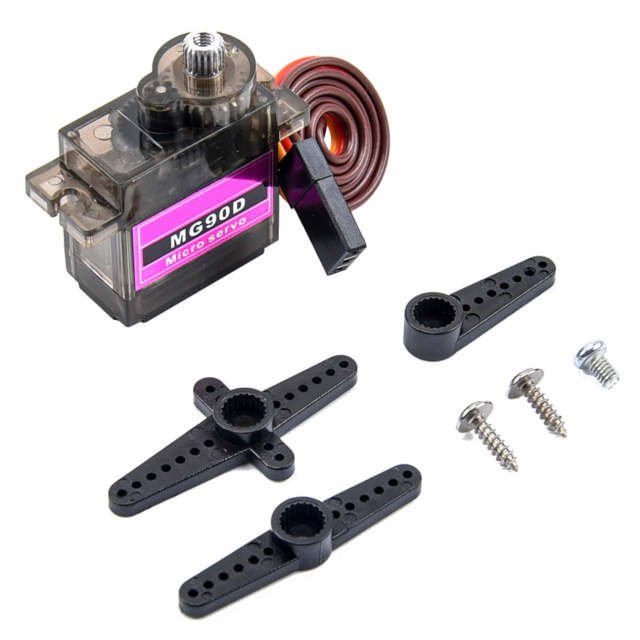
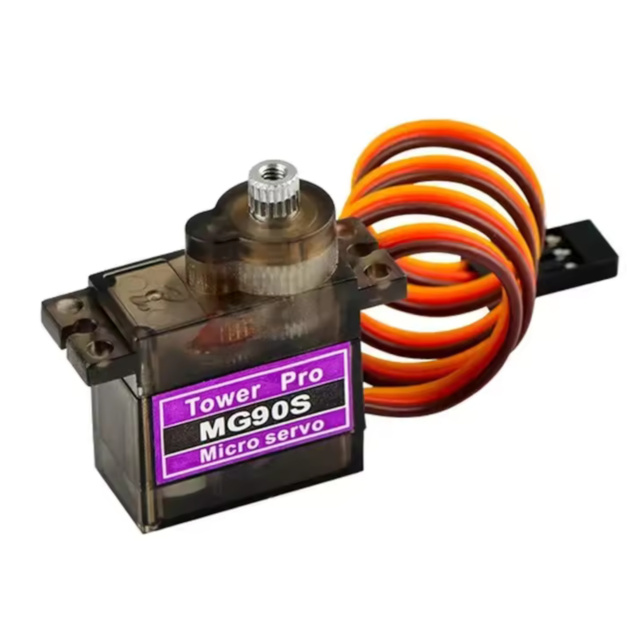
 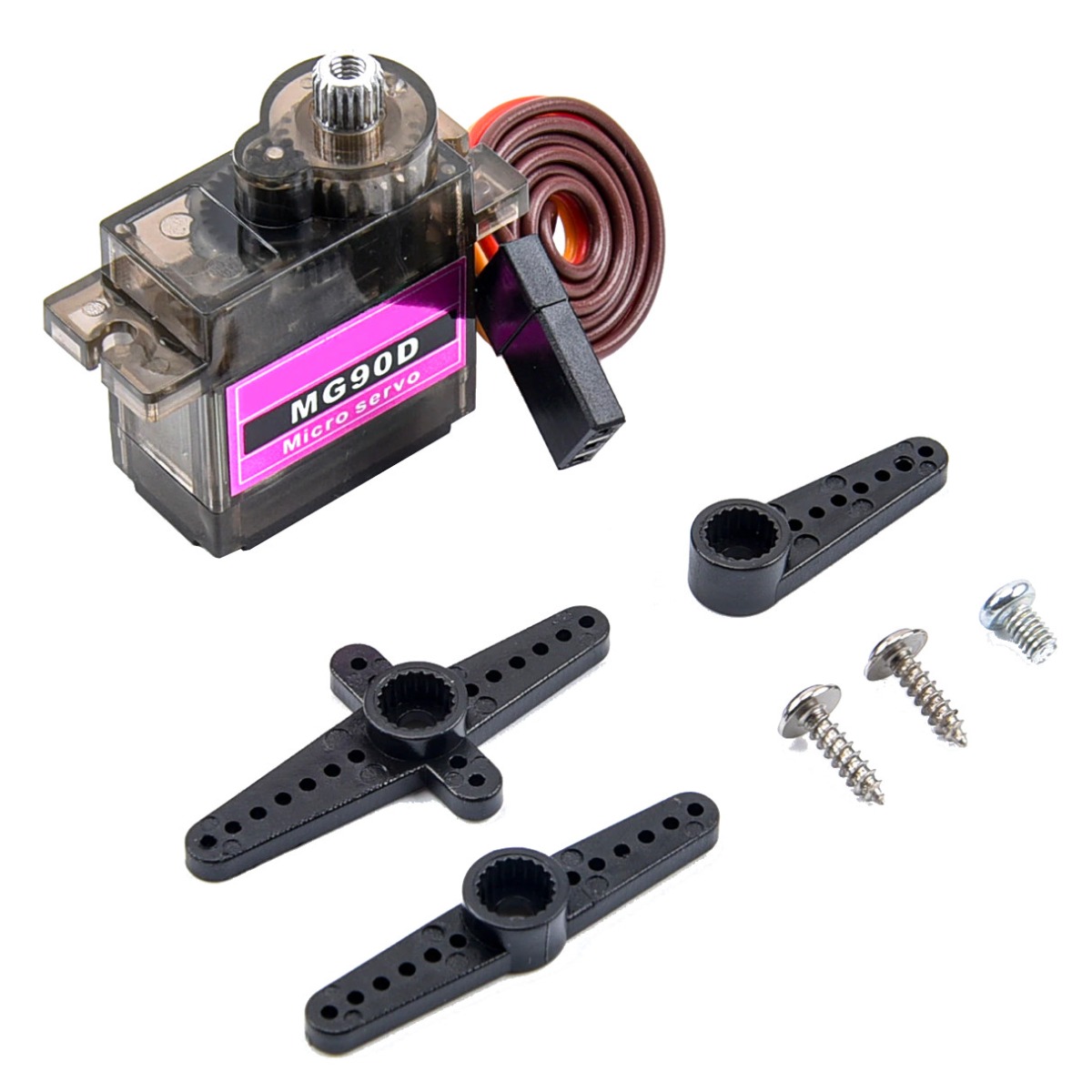 Towerpro MG90D Metal Gear Digital Servo ₹999.00
 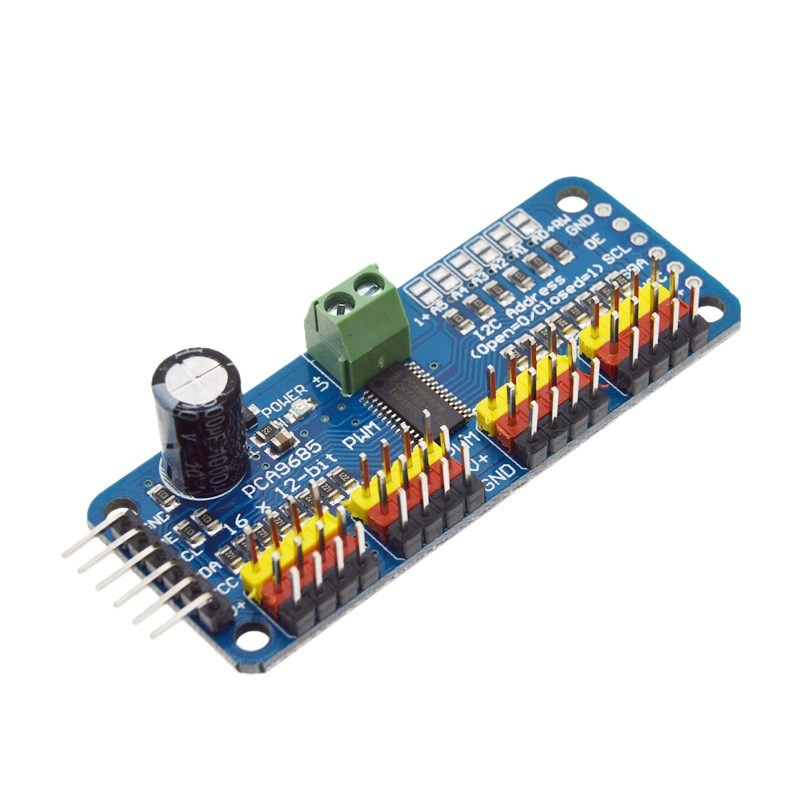 PCA9685 16 Channel Servo Motor Driver Controller Module ₹499.00
 The Mechanical Pinned Advantage Many lightweight RC planes rely on "live hinges" (scoring the foam so it bends) or CA paper hinges (thin sheets of fibrous paper glued into slots). While these are light, they are incredibly stiff, forcing your servos to work much harder to deflect the surface. This product is a true, mechanical pinned hinge. Because it pivots on a central metal axle, it offers zero-resistance, friction-free movement. This allows your servos to center perfectly every time, significantly improving your aircraft's flight characteristics and precision.
Engineered for Unbreakable Adhesion A hinge is only as strong as its glue joint. This hinge features 6 distinct circular holes punched through each flat leaf. When you insert the hinge into a slot in your balsa wood or foam wing and apply glue (like Thin CA or Epoxy), the liquid adhesive flows straight through these holes. Once the glue cures, it creates solid physical "rivets" of hardened glue connecting the top and bottom of the wood slot, making it virtually impossible for the hinge to pull out during high-speed flight.
Universal Large-Scale Compatibility Measuring 36mm in total length (when opened flat) and 20mm in width along the hinge pin, this "Large" size is optimized for mid-to-large scale aircraft. It is the perfect hardware choice for traditional .40 to .90 size glow-engine balsa kits, giant-scale 3D profile foamies, and heavy payload-carrying UAV platforms where control surface blowout is not an option.
Specifications
Material: High-Strength Nylon (Leaves) / Metal (Center Pin)
Hinge Type: Mechanical Pinned Hinge
Total Length (Open Flat): 36mm
Width (Along Pin): 20mm
Leaf Thickness: ~1.2mm
Adhesion Ports: 6x Holes per leaf (12 total)
Color: White
Supported Airframes: Balsa Wood, Plywood, EPO/EPP Foam, Coroplast
Key Applications and Projects
Aileron and Flap Mounting: Ensuring smooth, uniform roll control across the entire trailing edge of the main wing.
Elevator and Rudder Articulation: Securing the crucial tail surfaces responsible for pitch and yaw control during high-stress maneuvers.
Scratch-Built Balsa Kits: The mandatory hardware required when building traditional wooden aircraft from plans where custom hinge slots must be cut.
Unlock New Capabilities (Project Evolution) The 3D Foamie Retrofit: Are you flying an EPO foam 3D aerobatic plane that feels sluggish? Factory foam hinges are notorious for stiffening up over time or tearing during hard 3D "waterfall" maneuvers. Evolve your airframe! Take a hobby knife and completely cut away the stiff foam hinges on your ailerons. Cut thin slots into the foam and install these nylon pinned hinges using foam-safe CA glue. You will instantly notice a massive increase in servo speed, better centering, and a much crisper roll rate!
1 x Large Nylon Pinned Hinge (20mm x 36mm)

1. What exactly is this hinge used for? It is used to physically attach the moving control surfaces (ailerons, elevators, rudders, flaps) to the main, stationary body of a remote-controlled airplane.
2. What are the exact dimensions of this hinge? When opened completely flat, the hinge measures 36mm in total length (from end to end). The width of the hinge along the center pin is 20mm.
3. What does "Large Size" mean in this context? "Large" indicates it is meant for bigger aircraft, typically .40 to .90 size glow-engine planes, or electric planes with wingspans over 1200mm. Smaller park-flyers would use a "Mini" 11x15mm hinge.
4. How do I install this into my airplane? You must cut a thin, horizontal slot into the trailing edge of your wing, and a matching slot into the leading edge of your control surface. The hinge leaves slide into these slots and are permanently glued in place.
5. What is the best tool to cut the slots? A sharp #11 hobby knife (X-Acto knife) works well, but a dedicated "Hinge Slotting Tool" or a specialized Dremel attachment is highly recommended for perfectly centered slots.
6. What type of glue should I use? For balsa wood, Thin CA (Cyanoacrylate) glue or 30-minute Epoxy is standard. If you are building a foam airplane, you MUST use Foam-Safe CA or Foam-Safe Epoxy to prevent melting the foam.
7. Why are there six holes on each side of the hinge? Those are "glue holes." When you apply the glue, it flows through the holes and hardens, creating a solid physical "rivet" of glue that locks the hinge inside the wood/foam, preventing it from pulling out.
8. How do I prevent glue from freezing the center pin? Before installation, it is highly recommended to apply a tiny drop of light machine oil, Vaseline, or lip balm directly to the metal center pin joint. This prevents CA glue from wicking into the joint and locking the hinge solid.
9. Can I use these on foam board (FliteTest style) airplanes? Yes. While hot-glue hinges are common for foam board, upgrading to these nylon hinges using epoxy provides a much stronger, friction-free control surface.
10. How many hinges do I need per control surface? This depends heavily on the length of the surface. A standard aileron usually requires 3 to 4 hinges spaced evenly. A very large 3D plane aileron might require 5 or 6.
11. Is the center metal pin removable? No, the pin is factory-pressed into the nylon and is not designed to be removed.
12. How do these compare to CA paper hinges? CA paper hinges are lighter and easier to install, but they are stiff and degrade over time. These pinned nylon hinges are heavier but offer zero friction and last the entire lifetime of the aircraft.
13. Will this hinge rust if I fly off water (float plane)? The nylon leaves will not rust, but the central pin is typically standard steel or brass. If flying off water, apply a drop of protective oil to the pin occasionally.
14. Can I cut these hinges down to make them smaller? Yes. If you need a smaller hinge for a tight space, you can easily trim the nylon leaves down with heavy scissors or side-cutters without ruining the hinge.
15. Do I need to "pin" the hinge with toothpicks? For giant-scale, gas-powered aircraft that vibrate heavily, it is common practice to drill a small hole through the wood and the buried hinge leaf, and glue a toothpick through it for extreme mechanical security. For electric planes, glue alone is usually sufficient.
16. How much gap should I leave between the wing and the control surface? You should aim for the smallest gap possible without the wood binding against each other. Usually, sliding the hinge in until the pin center is perfectly aligned with the edge of the wood yields a minimal 0.5mm to 1mm gap.
17. How do I ensure all my hinges align perfectly straight? Use a straight edge and a pen to draw a continuous center line down the edge of your wing before cutting your slots. If the slots are not perfectly parallel, the hinges will bind against each other when moving.
18. Will the nylon become brittle in freezing winter temperatures? Nylon is highly durable and retains its flexibility well in cold weather, making it vastly superior to standard rigid plastics that might snap in the cold.
19. Can I use hot glue to install these? It is not recommended. Hot glue is very thick and cools too quickly. You will likely struggle to push the hinge deep enough into the slot before the glue hardens, leaving a massive, ugly gap. Use thin CA or slow-curing epoxy.
20. Does this listing include multiple hinges? This specific listing is for one (1) individual Large Nylon Hinge. Depending on your build, you will need to purchase the appropriate quantity (typically 15-20 for a complete 4-channel airplane build).
Probots sells every Electronics Part for your next Project. You can order 10,000+ Electronic Parts Online - Arduino, Raspberry Pi, NodeMCU Development Boards, Sensors, Motors, Motor Drivers, SMPS, Plastic Enclosures etc in India directly on probots.co.in
We delivery electronics components and parts throughout India using standard couriers like Bluedart, Delhivery & India Post.
For order related queries contact -
This item is covered by a warranty of 7 days from the date of delivery, against confirmed manufacturing defects only, as verified by Probots' own testing and investigation. In case of a confirmed defect, we will replace the item — a refund is issued only if a replacement can't be supplied (e.g. discontinued or out of stock). Transit damage or a wrong item received must be reported within 3 days of delivery.
If the product shows signs of misuse, tampering, physical damage, static discharge, liquid or fire damage, use of unapproved chemicals, or has been soldered or physically altered in any way.
China
Probots sells every Electronics Part for your next Project. You can order 10,000+ Electronic Parts Online - Arduino, Raspberry Pi, NodeMCU Development Boards, Sensors, Motors, Motor Drivers, SMPS, Plastic Enclosures etc in India directly on probots.co.in
We offer specialized services for Bulk, Wholesale & B2B Customers like discounted prices, additional shipping options, customised products, etc . Customer with large quantity & regular orders qualify for the specialised discounted rates.
We also offer dedicated sales team to assist you with the order process by providing sales quotations, PI, technical support for choosing products, etc.
Note: Business Orders are processed manually and usually take 1-3 days to process compared to placing the order directly on our website. Please plan your purchases accordingly.
Need Help?
For bulk enquiries contact us by -



Probots Electronics is highly regarded for its highly skilled team and knowledgeable staff who provide expert guidance to ensure customers select the right components for their technical projects. The business maintains a strong reputation for prompt service and reliable support, with many clients praising their quick response times and genuine commitment to customer satisfaction.


A very great place for electronics Such a well maintained shop... Felt good shopping here


Nice

For new developments kit available and they will support till working, and I suggest this place strongly


This place has all the electronic parts students will ever need, staff is friendly and the place is organised.


It was a really nice experience! I was happy to find such a wide range of robotics kits for kids, suitable for different age groups and learning levels.

Excellent experience




Good stuff

Buyed them. But no bargain. Helpful staff.


Available all children school project spears parts like electronics


It was good experience




Staff is very patient and helpful

One of the best place for electronics you will get everything you want! With the best and orginal quality

Very helpful staff and the best place to buy components for projects

Wonderful store with expert service and technically strong people.

Prompt delivery, excellent technical support


Large inventory of electronic components and parts. Well trained service personnel and technicians who can quickly identify and rectify product defect if any. They are a reliable and trustworthy online stores.

A very great place for electronics Such a well maintained shop... Felt good shopping here
Nice
For new developments kit available and they will support till working, and I suggest this place strongly
This place has all the electronic parts students will ever need, staff is friendly and the place is organised.
It was a really nice experience! I was happy to find such a wide range of robotics kits for kids, suitable for different age groups and learning levels.
Excellent experience
Good stuff
Buyed them. But no bargain. Helpful staff.
Available all children school project spears parts like electronics
It was good experience
Staff is very patient and helpful
One of the best place for electronics you will get everything you want! With the best and orginal quality
Very helpful staff and the best place to buy components for projects
Wonderful store with expert service and technically strong people.
Prompt delivery, excellent technical support
Large inventory of electronic components and parts. Well trained service personnel and technicians who can quickly identify and rectify product defect if any. They are a reliable and trustworthy online stores.
● 20 min readVol. 56 | The Heavyweight DC Drivetrain Duel Reliability isn’t optional when you’re designing actuators that need to move actual steel or
Read Article → ● 13 min read
Workbench Vol. 49 🚀 The Project Trifecta: 3 Builds to Start Today We don’t just stock parts; we curate ecosystems. This week’s arrivals are desi
Read Article → ● 18 min read
Vol. 59 | The Battle of the Bite-Sized Boards Picture a project that needs full Linux, networking, and GPIO—but has almost no room for a conventional
Read Article →