













 ● 20 min read
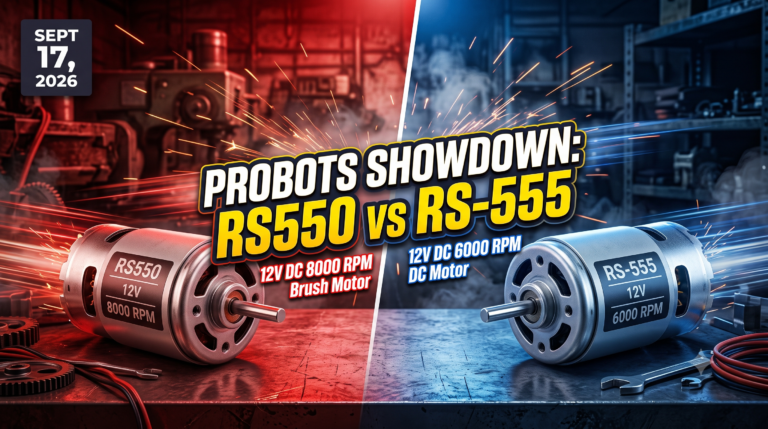
Showdown: RS550 12V DC 8000 vs RS-555 12V DC 6000 RPM DC Motor
Vol. 56 | The Heavyweight DC Drivetrain Duel Reliability isn’t optional when you’re designing actuators that need to move actual steel or
Read Article →
| Bulk Pricing | ||
|---|---|---|
| QTY | Unit Price(Inlc. GST) | |
| 25+ | ₹123.48 ₹ 104.64 + 18.84 GST | |
| 50+ | ₹122.22 ₹ 103.58 + 18.64 GST | |
| 75+ | ₹120.96 ₹ 102.51 + 18.45 GST | |
| 100+ | ₹118.44 ₹ 100.37 + 18.07 GST | |
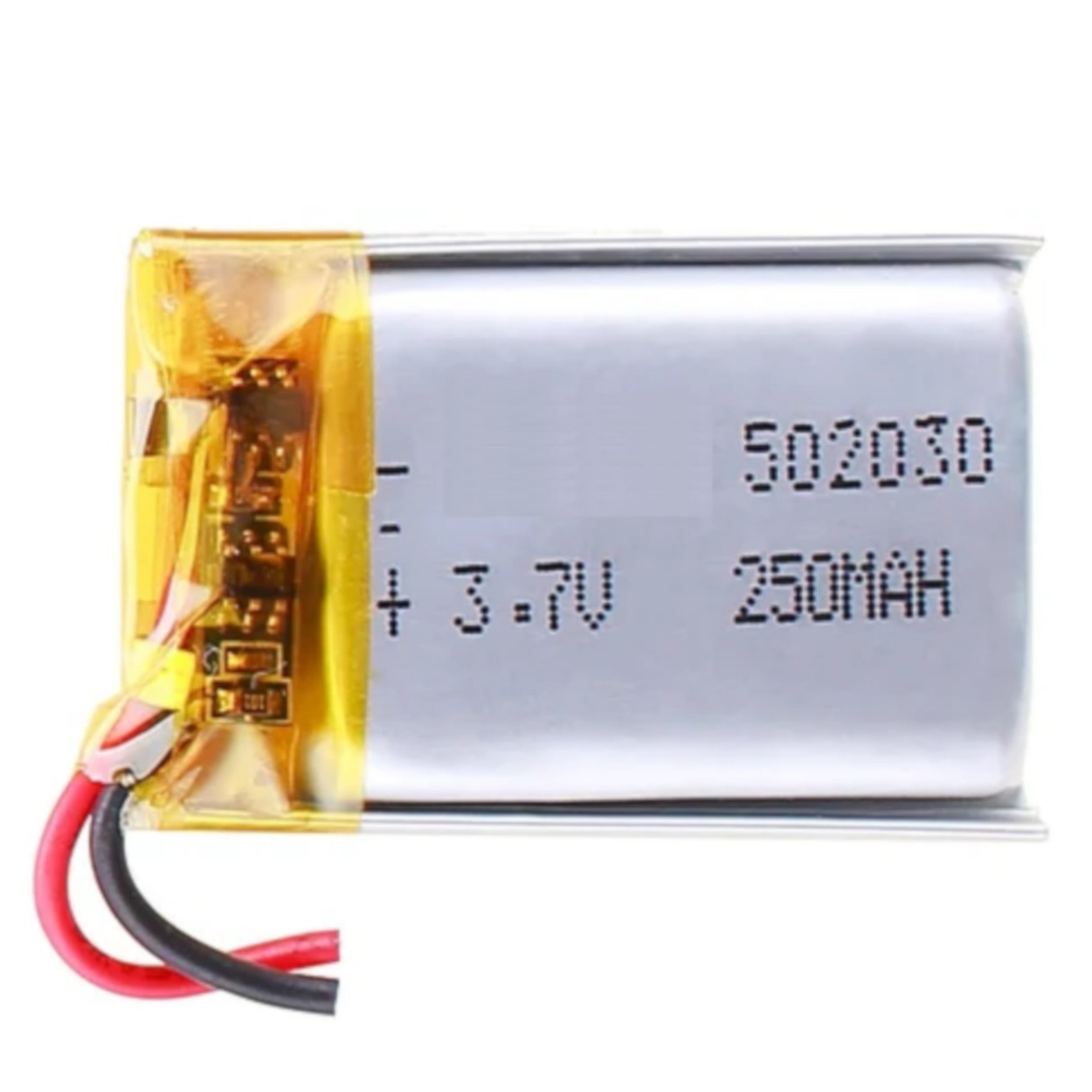
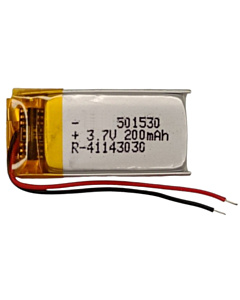
Power your portable electronics and micro-robotics with this compact 3.7V 250mAh LiPo battery. Measuring 32x20x5mm, it features a built-in safety PCB and a 50mm open-ended cable for direct soldering to your custom circuits.
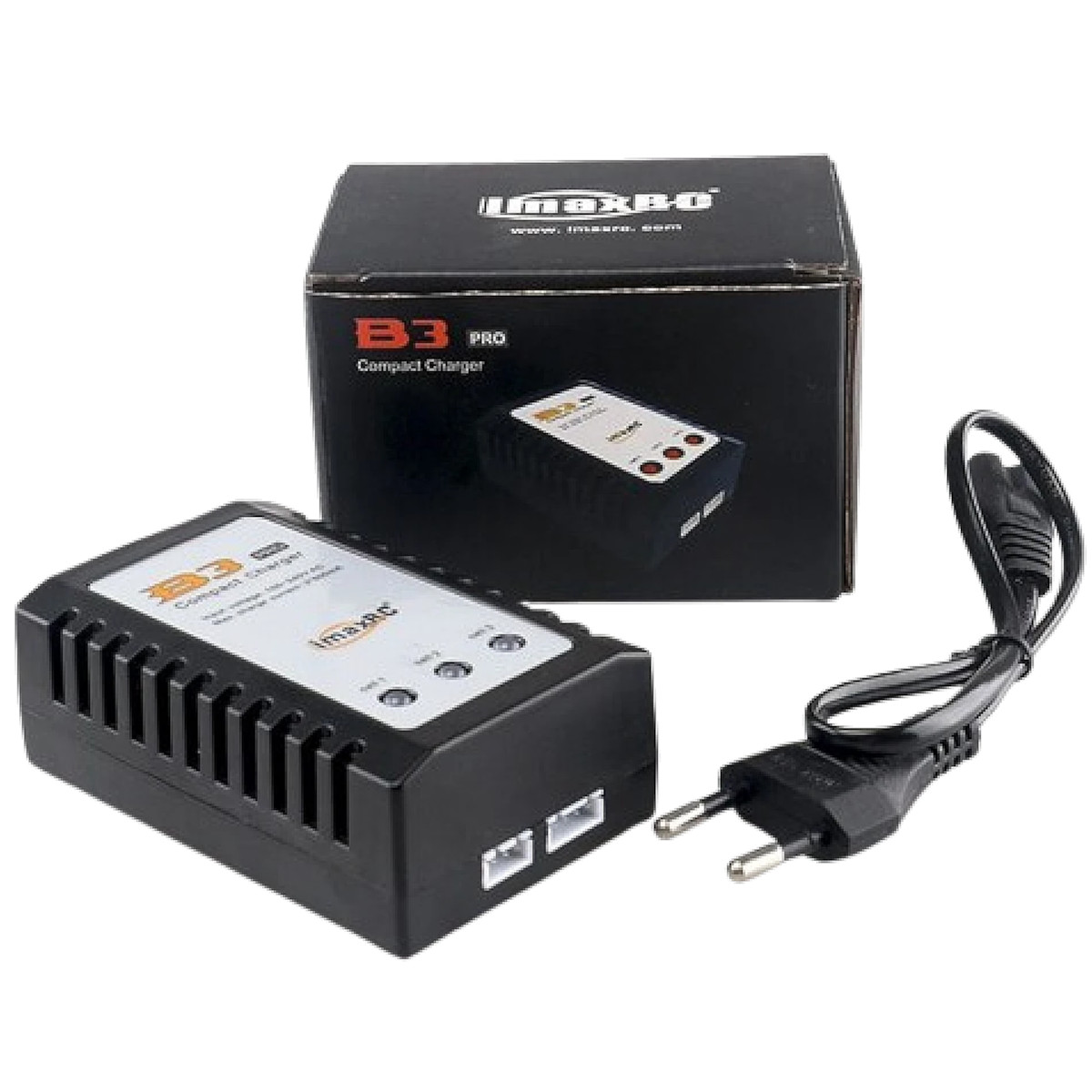 IMAX RC B3 Pro Compact Balance Charger for 2S & 3S LiPo Batteries - EU Plug ₹499.00
 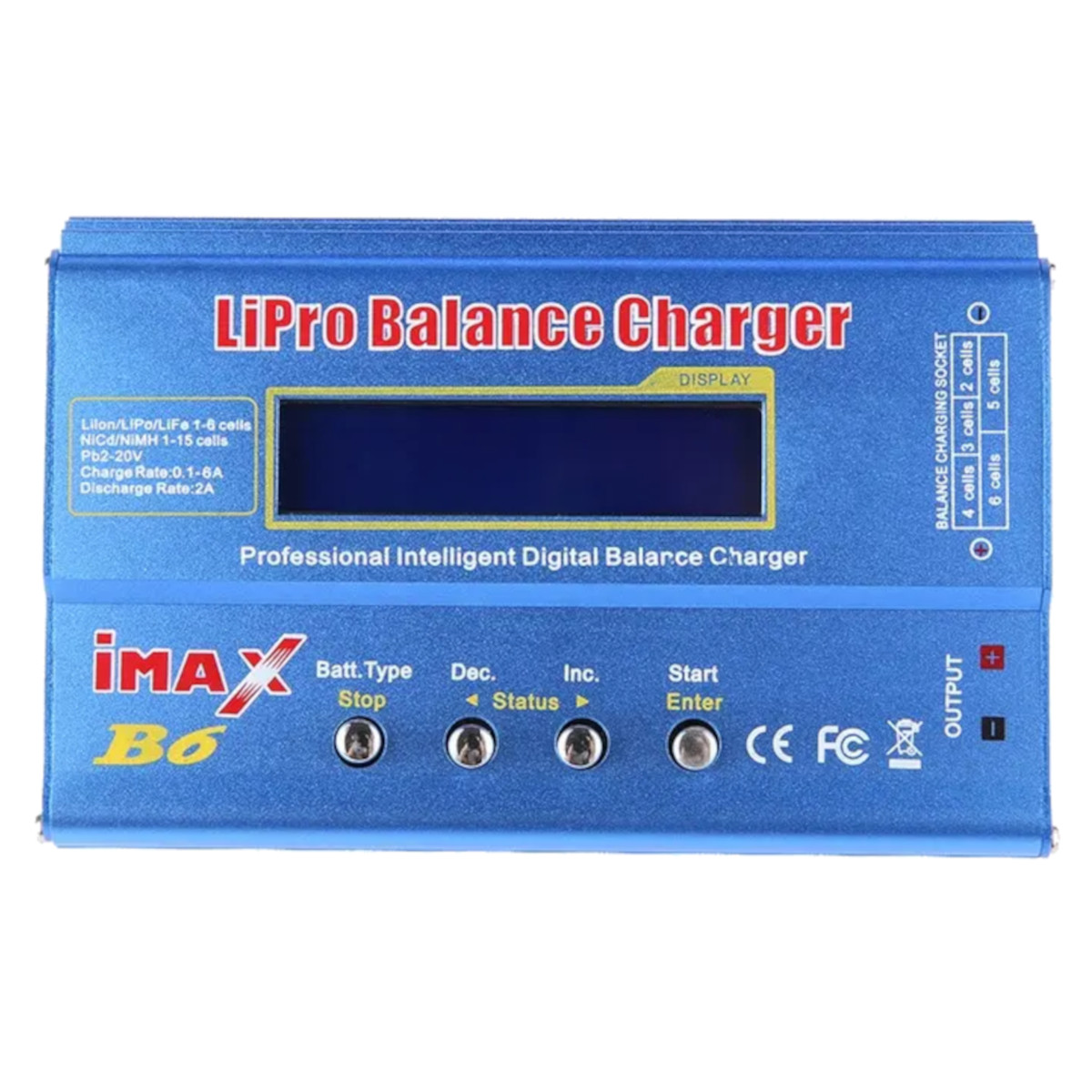 IMAX B6 LiPo Battery Balance Charger - 80W Lithium Polymer ₹2,950.00
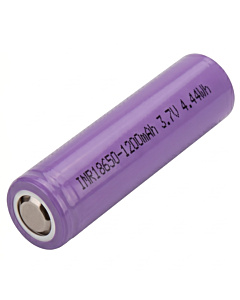
 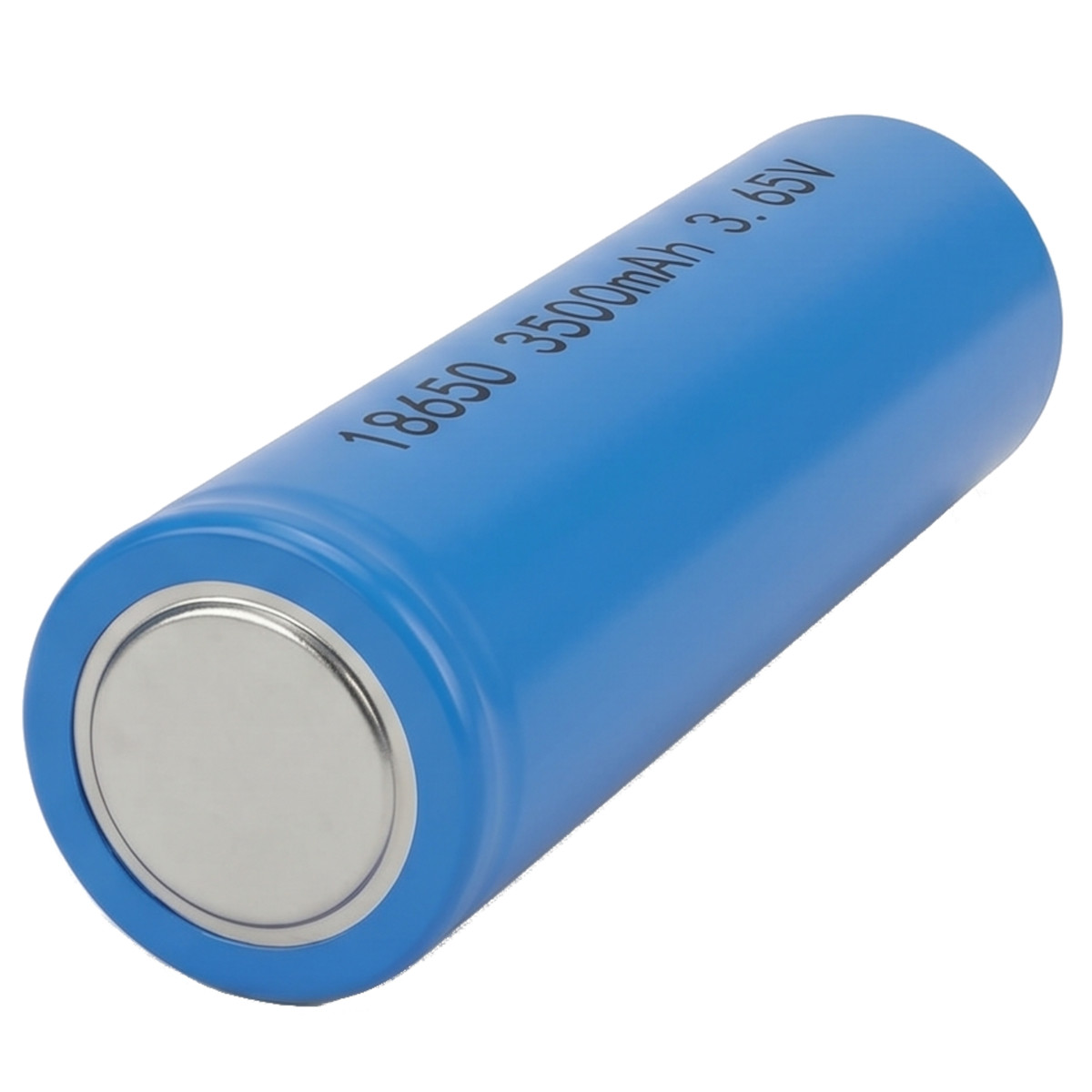 18650 3.65V 3500mAh Lithium-Ion Battery (12.77Wh) - Flat Top High Capacity Cell ₹319.00
 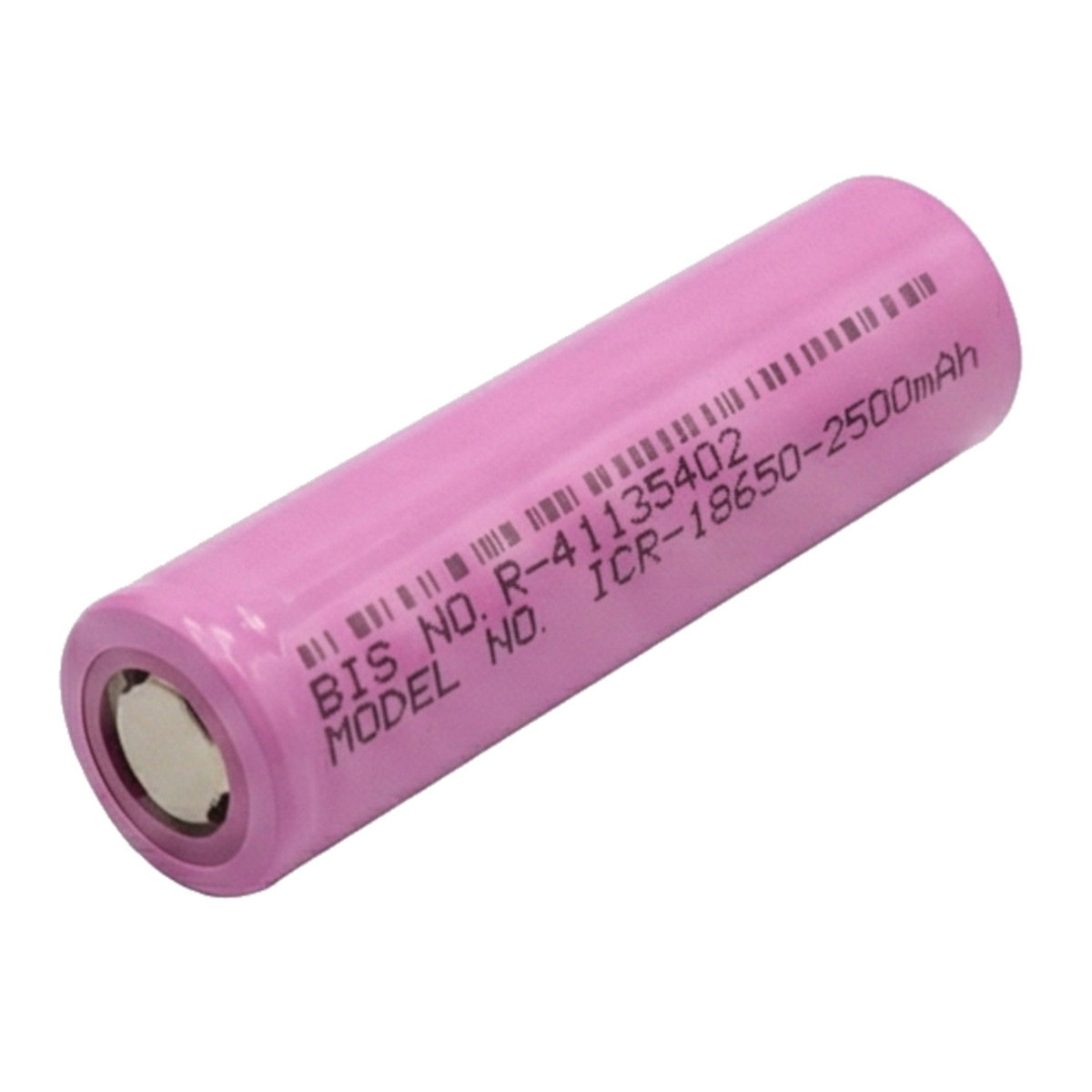 18650 Li Ion 2500 mAh Lithium Battery Cell Rechargable ₹169.00
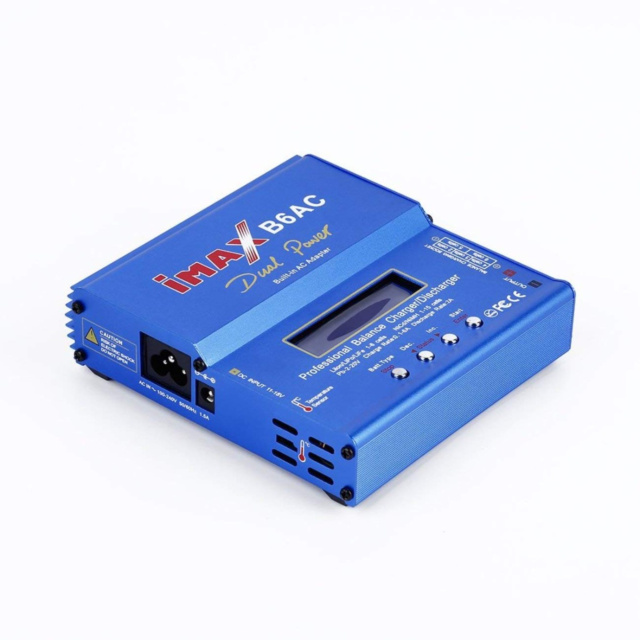
 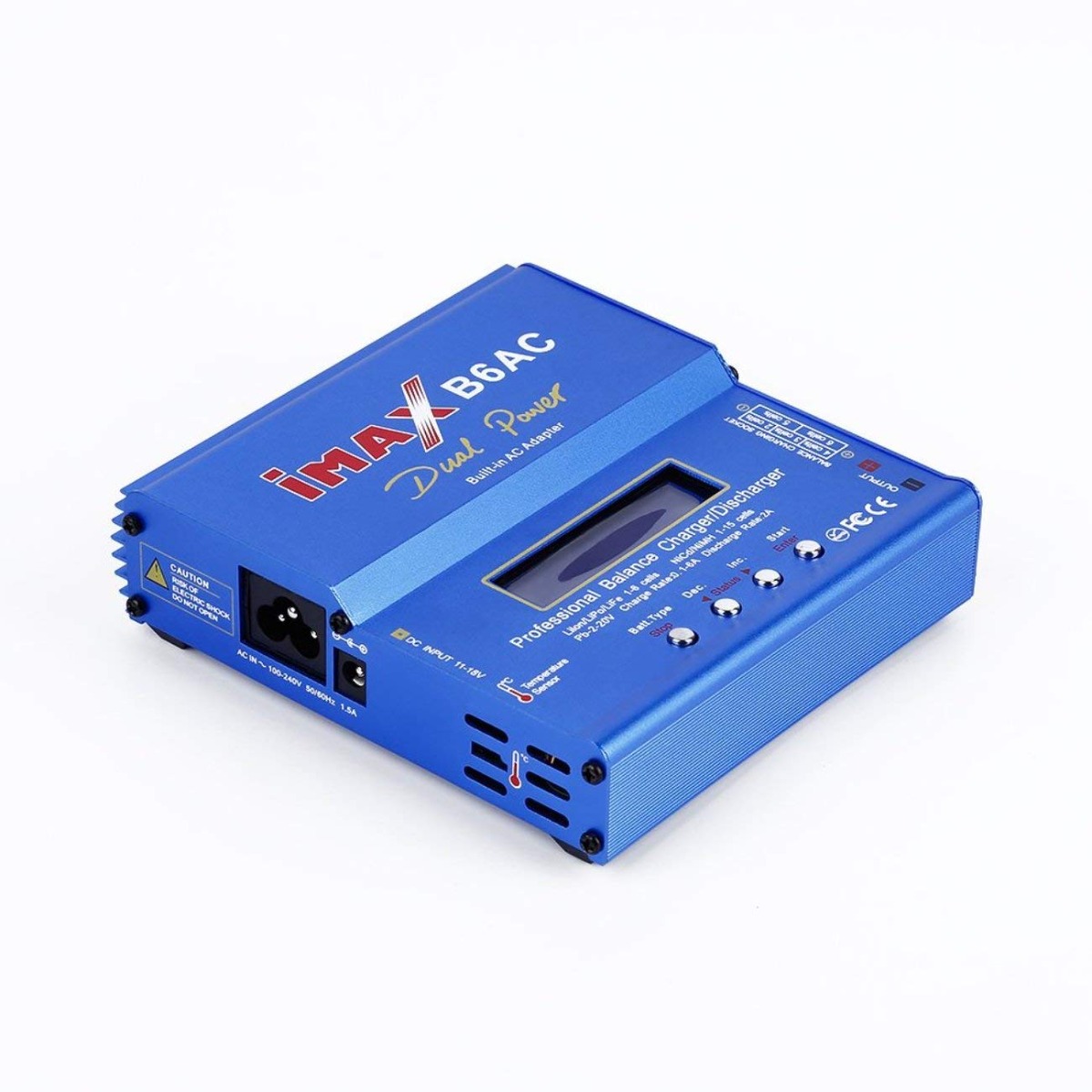 IMAX-B6AC Battery Charger for Lithium Ion Polymer Lead Acid NiMH ₹3,499.00
 The Ideal Balance of Size and Capacity The "502030" designation outlines the raw cell's dimensions. With the protective wrapping and circuit board included, the final footprint sits at 32mm long, 20mm wide, and 5mm thick. This size is highly popular in consumer electronics because it is small enough to fit inside a smart watch or Bluetooth headphone casing, but holds a respectable 250mAh of energy—providing up to five times the runtime of nano-scale batteries.
Built-in PCB Protection Safety is paramount when working with Lithium Polymer chemistry. Hidden beneath the yellow Kapton tape at the top of the cell is a miniature Protection Circuit Board (PCB). This built-in Battery Management System (BMS) automatically cuts off the power connection if the battery is overcharged past 4.2V, over-discharged below roughly 3.0V, or if the output wires are accidentally short-circuited on your workbench.
Optimal Discharge Characteristics The battery features a 50mm open-ended cable with bare red and black wires, ready to be soldered directly to your project or crimped with your preferred connector. To ensure the absolute maximum lifespan and to safely extract the full 250mAh capacity rating, the manufacturer specifies discharging this cell at a rate of 0.2C. For a 250mAh battery, 0.2C equates to a continuous current draw of 50mA. This makes it the perfect power plant for sensor nodes, LED displays, and microcontrollers running background tasks.
Safety Precautions :
Note: Product photos are for reference. Visual variations in printed branding may occur depending on current manufacturing stock, but the 250mAh capacity and physical footprint remain guaranteed
Model Number: 502030P
Chemistry: Lithium Polymer (LiPo)
Nominal Voltage: 3.7V
Fully Charged Voltage: 4.2V
Rated Capacity: 250mAh
Optimal Discharge Rate: 0.2C (approx. 50mA)
Dimensions (L x W x H): 32mm x 20mm x 5mm
Cable Length: ~50mm
Connector: Open-ended (Bare wire)
Built-in Protection: Overcharge, Over-discharge, Short Circuit
Micro-Robotics: Powering N20 gear motors on miniature desktop robots or acting as the primary flight battery for ultra-micro brushed drones.
Portable Audio: Replacing dead batteries in commercial Bluetooth speakers, wireless earbuds, or DIY MP3 player builds.
Standalone IoT Nodes: Providing months of standby power for ESP8266 or ESP32-based smart home sensors that wake up, transmit data, and return to deep sleep.
Unlock New Capabilities (Project Evolution)
The "Uninterruptible" Smart Clock: Don't let power outages reset your custom Arduino desk clocks! Evolve your build by wiring this 250mAh battery into a TP4056 charging module with load sharing. Plug the TP4056 into standard USB wall power, and run your Arduino off the output. The wall power will run the clock and keep the battery topped up. If the power goes out, the circuit instantly seamlessly switches to the 250mAh battery, keeping your clock ticking and your alarms active for hours until the power returns!
1 x 502030P 250mAh 3.7V Lithium Polymer Battery pack (with internal protection PCB and 50mm open-ended wire)
What does "502030" mean? It signifies the standard dimensions of the bare internal cell: approximately 5.0mm thick, 20mm wide, and 30mm long. (The final length is 32mm due to the added protection board).
What is the nominal voltage of this battery? The nominal (average operating) voltage is 3.7V.
What is the voltage when fully charged? A fully charged 1S LiPo battery will read exactly 4.2V on a multimeter.
Does this battery have built-in protection? Yes, there is a miniature protection PCB hidden under the yellow tape at the top of the battery.
What does the protection circuit actually do? It protects the battery chemistry from catching fire due to overcharging, prevents permanent damage from over-discharging, and cuts power instantly if a short circuit occurs.
Are the wires open-ended or do they have a plug? This battery ships with 50mm open-ended (bare) wire leads. It does not come with a plastic JST connector.
Which wire is positive? The red wire is Positive (+), and the black wire is Negative (-).
What does "discharge at 0.2C" mean? "C" represents the total capacity of the battery. 0.2C means 20% of 250mAh, which is 50 milliamps (50mA). To get the absolute maximum lifespan and efficiency out of this battery, your circuit should optimally draw around 50mA.
Can I use this to power a mini drone that draws 1 Amp? Yes, 250mAh cells are commonly used in micro drones. However, drawing 1 Amp (1000mA) is much higher than the optimal 50mA rate. It will work, but the battery will drain very quickly (in minutes) and you may not extract the full "lab-rated" 250mAh capacity under that heavy load.
Can I charge this with a standard TP4056 module? Standard TP4056 modules push 1000mA (1A) of charge current. While a 250mAh battery can handle more charge current than a tiny 50mAh battery, 1A is still too high and will stress the cell. You should ideally modify the TP4056 by changing its programming resistor to output around 125mA to 250mA (0.5C to 1C charge rate).
Can I wire this directly to a 5V USB cable to charge it? ABSOLUTELY NOT. Applying raw 5V directly to a LiPo battery will cause it to swell, vent toxic gas, and catch fire. You must use a dedicated Lithium-Ion charger circuit.
Can I power a 5V Arduino Uno with this? A standard Arduino Uno expects 5V. This battery only outputs 3.7V. You would need a "Boost Converter" module to step the 3.7V up to 5V.
What microcontrollers work best with this? Low-power 3.3V boards like the ESP32, ESP8266, Raspberry Pi Pico, and 3.3V Arduino Pro Minis are ideal companions for 3.7V LiPo cells.
How long are the wires? The flexible wire leads are approximately 50mm (about 2 inches) long.
Can I cut the wires to make them shorter? Yes. CRITICAL WARNING: Always cut the wires one at a time. Cutting both the red and black wires simultaneously with metal snips will short-circuit the battery!
Can I wire two of these in series to get 7.4V? It is highly discouraged to wire individual, internally protected LiPo cells in series. The two independent protection boards can conflict and cause charging and discharging failures.
Can I wire two in parallel to get 500mAh? Yes, but only if both batteries are measured with a multimeter and are at the exact same voltage (e.g., both at 3.8V) before connecting them. If they are different voltages, one will rapidly dump energy into the other, causing damage.
Is this battery waterproof? No. The silver foil pouch is sealed, but the top circuit board and the wire connections are fully exposed to the elements.
Why does my battery look puffy or swollen? LiPo batteries puff up when damaged, old, or severely over-discharged. If your battery swells like a balloon, stop using it immediately and safely recycle it.
How should I store this battery if I am not using it for a while? Never store LiPo batteries fully charged (4.2V) or fully dead (3.0V) for long periods. Store them at a "storage charge" of roughly 3.8V in a cool, dry, fire-safe location.
| Battery Type | Lithium-Polymer(Li-po) |
|---|---|
| Battery Capacity (mAH) | 1-500 |
Probots sells every Electronics Part for your next Project. You can order 10,000+ Electronic Parts Online - Arduino, Raspberry Pi, NodeMCU Development Boards, Sensors, Motors, Motor Drivers, SMPS, Plastic Enclosures etc in India directly on probots.co.in
We delivery electronics components and parts throughout India using standard couriers like Bluedart, Delhivery & India Post.
For order related queries contact -
This item is covered by a warranty of 7 days from the date of delivery, against confirmed manufacturing defects only, as verified by Probots' own testing and investigation. In case of a confirmed defect, we will replace the item — a refund is issued only if a replacement can't be supplied (e.g. discontinued or out of stock). Transit damage or a wrong item received must be reported within 3 days of delivery.
If the product shows signs of misuse, tampering, physical damage, static discharge, liquid or fire damage, use of unapproved chemicals, or has been soldered or physically altered in any way.
China
Probots sells every Electronics Part for your next Project. You can order 10,000+ Electronic Parts Online - Arduino, Raspberry Pi, NodeMCU Development Boards, Sensors, Motors, Motor Drivers, SMPS, Plastic Enclosures etc in India directly on probots.co.in
We offer specialized services for Bulk, Wholesale & B2B Customers like discounted prices, additional shipping options, customised products, etc . Customer with large quantity & regular orders qualify for the specialised discounted rates.
We also offer dedicated sales team to assist you with the order process by providing sales quotations, PI, technical support for choosing products, etc.
Note: Business Orders are processed manually and usually take 1-3 days to process compared to placing the order directly on our website. Please plan your purchases accordingly.
Need Help?
For bulk enquiries contact us by -


Probots Electronics is highly regarded for its highly skilled team and knowledgeable staff who provide expert guidance to ensure customers select the right components for their technical projects. The business maintains a strong reputation for prompt service and reliable support, with many clients praising their quick response times and genuine commitment to customer satisfaction.


A very great place for electronics Such a well maintained shop... Felt good shopping here


Nice

For new developments kit available and they will support till working, and I suggest this place strongly


This place has all the electronic parts students will ever need, staff is friendly and the place is organised.


It was a really nice experience! I was happy to find such a wide range of robotics kits for kids, suitable for different age groups and learning levels.

Excellent experience




Good stuff

Buyed them. But no bargain. Helpful staff.


Available all children school project spears parts like electronics


It was good experience




Staff is very patient and helpful

One of the best place for electronics you will get everything you want! With the best and orginal quality

Very helpful staff and the best place to buy components for projects

Wonderful store with expert service and technically strong people.

Prompt delivery, excellent technical support


Large inventory of electronic components and parts. Well trained service personnel and technicians who can quickly identify and rectify product defect if any. They are a reliable and trustworthy online stores.

A very great place for electronics Such a well maintained shop... Felt good shopping here
Nice
For new developments kit available and they will support till working, and I suggest this place strongly
This place has all the electronic parts students will ever need, staff is friendly and the place is organised.
It was a really nice experience! I was happy to find such a wide range of robotics kits for kids, suitable for different age groups and learning levels.
Excellent experience
Good stuff
Buyed them. But no bargain. Helpful staff.
Available all children school project spears parts like electronics
It was good experience
Staff is very patient and helpful
One of the best place for electronics you will get everything you want! With the best and orginal quality
Very helpful staff and the best place to buy components for projects
Wonderful store with expert service and technically strong people.
Prompt delivery, excellent technical support
Large inventory of electronic components and parts. Well trained service personnel and technicians who can quickly identify and rectify product defect if any. They are a reliable and trustworthy online stores.
● 20 min readVol. 56 | The Heavyweight DC Drivetrain Duel Reliability isn’t optional when you’re designing actuators that need to move actual steel or
Read Article → ● 13 min read
Workbench Vol. 49 🚀 The Project Trifecta: 3 Builds to Start Today We don’t just stock parts; we curate ecosystems. This week’s arrivals are desi
Read Article → ● 18 min read
Vol. 59 | The Battle of the Bite-Sized Boards Picture a project that needs full Linux, networking, and GPIO—but has almost no room for a conventional
Read Article →