
















 ● 20 min read
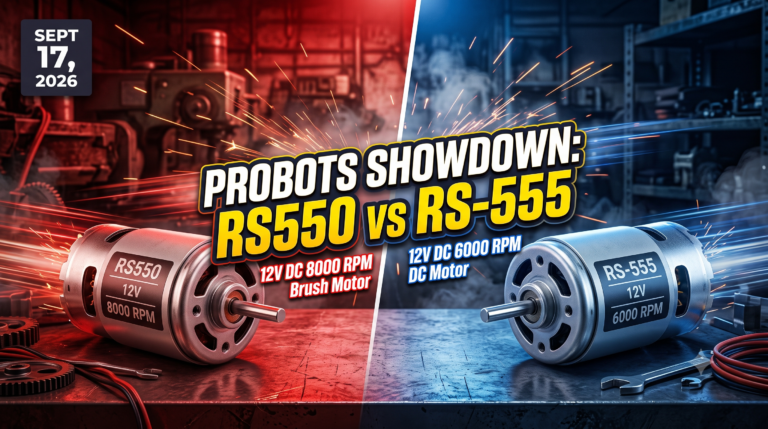
Showdown: RS550 12V DC 8000 vs RS-555 12V DC 6000 RPM DC Motor
Vol. 56 | The Heavyweight DC Drivetrain Duel Reliability isn’t optional when you’re designing actuators that need to move actual steel or
Read Article →
| Bulk Pricing | ||
|---|---|---|
| QTY | Unit Price(Inlc. GST) | |
| 10+ | ₹979.02 ₹ 829.68 + 149.34 GST | |
| 20+ | ₹969.03 ₹ 821.21 + 147.82 GST | |
| 30+ | ₹959.04 ₹ 812.75 + 146.3 GST | |
| 50+ | ₹939.06 ₹ 795.81 + 143.25 GST | |
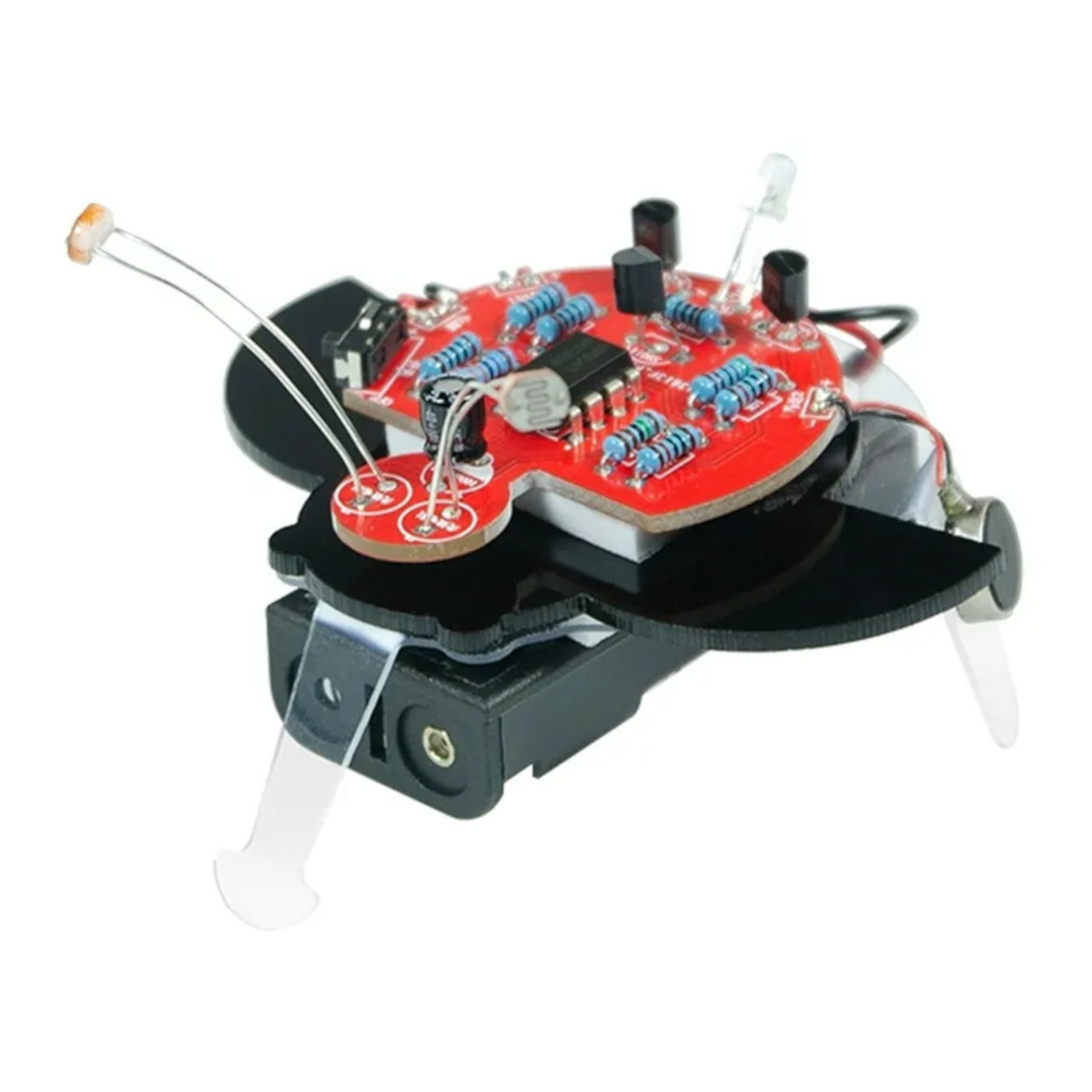
Master your soldering skills while building an autonomous robotic bug! This DIY kit uses photoresistors and an LM358 op-amp to create a purely analog, light-following firefly. Perfect for STEM education and electronics beginners.
Pure Analog Logic (No Coding Required) Modern robotics often rely heavily on microcontrollers like Arduino, completely masking the underlying electrical physics. This kit strips away the code. The "brain" of this firefly is a single LM358 Dual Operational Amplifier. As light hits the two Light Dependent Resistors (LDRs) acting as antennae, their electrical resistance drops. The LM358 acts as an analog comparator, constantly measuring the voltage difference between the left and right antennae. If the left antenna senses more light, the op-amp outputs a signal to spin the right motor, steering the bug toward the light source. It is a brilliant, highly visual demonstration of pure analog processing.
Vibration Locomotion Instead of using heavy, geared wheels, this firefly relies on vibration to move. The kit includes two flat, unbalanced coin motors (similar to the vibration motors in cell phones). These are mounted to a sleek, laser-cut clear acrylic chassis with specifically angled legs. When the motors spin, the rapid vibration is transferred through the angled legs, causing the entire bug to scurry and skitter forward across smooth surfaces.
The Perfect Soldering Practice Featuring a high-quality, bug-shaped FR4 fiberglass PCB with clear silkscreen markings, this kit is designed for beginners. It utilizes exclusively through-hole components—resistors, a DIP-8 IC socket, an electrolytic capacitor, and standard transistors. The pads are widely spaced to prevent accidental solder bridges, making it an excellent weekend project for STEM classrooms, maker spaces, or parents teaching their children how to handle a soldering iron safely.
Photosensitive Movement: The photoresistance of the robot's head can sense light. When the light hits the left or right photoresistance, the vibration motors installed on the left or right legs will start to vibrate correspondingly, and the firefly will move in the direction of the light. The effect of breathing lights on the tail simulates the glow of a real firefly. This robot runs on a 3V DC supply which can be taken from two AAA batteries.
NOTE:
Specifications
Logic IC: LM358P (Dual Operational Amplifier)
Sensors: 2x Light Dependent Resistors (LDR)
Locomotion: 2x 3V DC Coin Vibration Motors
Motor Drivers: NPN Transistors (S8550/8050 type)
Power Supply: 3V DC (via included battery holder)
Sensitivity Adjustment: Onboard Trimmer Potentiometer
PCB Material: Red FR4 Fiberglass
Chassis: Transparent Laser-Cut Acrylic
Assembly Type: Through-Hole Soldering
Key Applications and Projects
STEM Classrooms: Teaching students the difference between analog circuitry and digital programming, culminating in a fun, tangible toy.
Soldering Workshops: Providing a structured, highly rewarding soldering practice board that is more engaging than standard blinking LED kits.
Desktop Companions: Building an interactive desk toy that follows your flashlight or desk lamp around during late-night study sessions.
Unlock New Capabilities (Project Evolution) The Shadow-Hiding Firefly: The default assembly makes the bug chase light (photovore). But what if you want a shy bug that hides in the shadows (photophobe)? Evolve your project! Because this is a pure hardware logic circuit, you can reverse its behavior by physically swapping the motor wiring. Desolder the left motor and solder it to the right motor pads, and vice versa. Now, when light hits the left eye, the left motor spins, pushing the bug away from the light source until it finds a dark corner to hide in!
1 x Red Firefly Printed Circuit Board (PCB)
1 x Clear Acrylic Chassis Base and Legs
1 x LM358P IC and DIP-8 Socket
2 x Coin Vibration Motors with Wire Leads
2 x Light Dependent Resistors (LDRs)
1 x Trimmer Potentiometer (Blue)
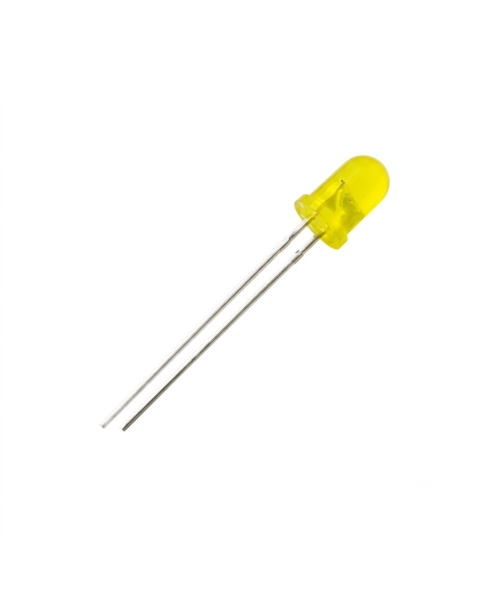
1 x 5mm LED (Tail Light)
1 x Slide Switch
1 x Coin Cell Battery Holder
2 x Yellow Heat Shrink Tubes (For Antennae)
1 x Double-Sided Adhesive Pad (For mounting motors)
Assorted Resistors, Capacitors, and Transistors
Assembly video of Firefly Robot.
1. Does this robot require any programming or coding? No. This is a purely analog circuit. The "logic" is created entirely by the physical hardware components interacting with each other, requiring zero software.
2. Is a soldering iron required to build this? Yes. This is an unassembled DIY kit. You will need a soldering iron, solder, and basic wire snips to attach the components to the red circuit board.
3. What age group is this kit appropriate for? It is excellent for beginners and students aged 10 and up, provided they have adult supervision when operating a hot soldering iron.
4. How does the robot actually move without wheels? It uses two unbalanced vibration motors. When they spin, the vibration travels down through the clear acrylic legs. Because the legs are angled backward, the vibration forces the bug to skitter forward.
5. What is the purpose of the two long wire components on the front? Those are Light Dependent Resistors (LDRs) acting as the bug's antennae or "eyes." Their electrical resistance changes based on how much light hits them, allowing the robot to "see" bright spots.
6. What does the black LM358 chip do? The LM358 is an Operational Amplifier. In this circuit, it is configured as a voltage comparator. It compares the electrical signals from the left and right LDRs and decides which motor should receive power.
7. Are batteries included in the kit? No. Due to international shipping safety regulations, batteries are not included. You will need to provide standard 3V coin cell batteries to fit the included holder.
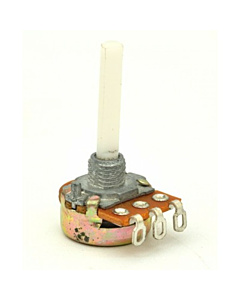
8. What does the blue square component with the screw do? That is a trimmer potentiometer. By turning the small screw with a screwdriver, you can adjust the baseline sensitivity of the robot, tuning it for bright rooms or dark rooms.
9. Does polarity matter for the resistors? No, standard resistors can be soldered in either direction.
10. Does polarity matter for the LED? Yes! The LED has a long leg (Positive/Anode) and a short leg (Negative/Cathode). The PCB will have markings (usually a flat side on the circle) indicating the negative side.
11. Does polarity matter for the LM358 chip? Absolutely. The chip has a small semi-circular notch on one end. This notch must align perfectly with the matching notch drawn on the PCB silkscreen.
12. What are the small black components with three legs? Those are NPN transistors. The LM358 chip cannot output enough electrical current to spin a heavy motor by itself. The transistors act as electronic amplifiers/switches to provide the heavy current the motors need.
13. What are the yellow tubes included in the parts bag? That is heat shrink tubing. You slide them over the long, bare metal legs of the LDR antennae before soldering. This prevents the metal legs from touching each other and causing a short circuit.
14. How do I attach the vibration motors to the clear base? The kit includes a custom-cut piece of double-sided adhesive tape. You simply stick the motors to the bottom of the clear acrylic chassis.
15. Why is my assembled robot just spinning in circles? This usually means one motor is running continuously while the other is not. Check that your LDR antennae are not bent away from the light, and inspect the solder joints on the non-spinning motor's transistor for cold joints.
16. Why isn't my robot moving at all when I turn on the switch? First, check that your batteries are fresh and installed correctly. Next, ensure the blue potentiometer is not turned all the way down. Finally, double-check that the LM358 chip is installed in the correct orientation.
17. Do I solder the LM358 chip directly to the board? It is highly recommended to solder the included black DIP-8 socket to the board first, and then simply push the LM358 chip into the socket. This prevents the heat of the soldering iron from damaging the sensitive chip.
18. How long does this kit take to build? For someone with basic soldering experience, it takes about 30 to 45 minutes. Absolute beginners taking their time should expect it to take around 1 hour.
19. Can I paint the clear acrylic chassis? Yes! You can easily customize the clear acrylic base and legs using standard acrylic hobby paints before you stick the motors onto it.
20. Will the robot work on thick carpet? No. Because it relies on micro-vibrations to move, the soft fibers of a carpet will absorb the energy. It works best on hard, smooth surfaces like desks, hardwood floors, or tile.
Firefly Robot Working Video shown below is similar to the product,it's only for the Reference.
| Age Group | 14 - 18 |
|---|---|
| Kit Type | Complete Kit |
| Actuator Type | NA / Others |
| No of Wheels | NA |
| Coding | Non Programable |
| Soldering | Required |
Probots sells every Electronics Part for your next Project. You can order 10,000+ Electronic Parts Online - Arduino, Raspberry Pi, NodeMCU Development Boards, Sensors, Motors, Motor Drivers, SMPS, Plastic Enclosures etc in India directly on probots.co.in
We delivery electronics components and parts throughout India using standard couriers like Bluedart, Delhivery & India Post.
For order related queries contact -
This item is covered by a warranty of 7 days from the date of delivery, against confirmed manufacturing defects only, as verified by Probots' own testing and investigation. In case of a confirmed defect, we will replace the item — a refund is issued only if a replacement can't be supplied (e.g. discontinued or out of stock). Transit damage or a wrong item received must be reported within 3 days of delivery.
If the product shows signs of misuse, tampering, physical damage, static discharge, liquid or fire damage, use of unapproved chemicals, or has been soldered or physically altered in any way.
China
Probots sells every Electronics Part for your next Project. You can order 10,000+ Electronic Parts Online - Arduino, Raspberry Pi, NodeMCU Development Boards, Sensors, Motors, Motor Drivers, SMPS, Plastic Enclosures etc in India directly on probots.co.in
We offer specialized services for Bulk, Wholesale & B2B Customers like discounted prices, additional shipping options, customised products, etc . Customer with large quantity & regular orders qualify for the specialised discounted rates.
We also offer dedicated sales team to assist you with the order process by providing sales quotations, PI, technical support for choosing products, etc.
Note: Business Orders are processed manually and usually take 1-3 days to process compared to placing the order directly on our website. Please plan your purchases accordingly.
Need Help?
For bulk enquiries contact us by -
Probots Electronics is highly regarded for its highly skilled team and knowledgeable staff who provide expert guidance to ensure customers select the right components for their technical projects. The business maintains a strong reputation for prompt service and reliable support, with many clients praising their quick response times and genuine commitment to customer satisfaction.


A very great place for electronics Such a well maintained shop... Felt good shopping here


Nice

For new developments kit available and they will support till working, and I suggest this place strongly


This place has all the electronic parts students will ever need, staff is friendly and the place is organised.


It was a really nice experience! I was happy to find such a wide range of robotics kits for kids, suitable for different age groups and learning levels.

Excellent experience




Good stuff

Buyed them. But no bargain. Helpful staff.


Available all children school project spears parts like electronics


It was good experience




Staff is very patient and helpful

One of the best place for electronics you will get everything you want! With the best and orginal quality

Very helpful staff and the best place to buy components for projects

Wonderful store with expert service and technically strong people.

Prompt delivery, excellent technical support


Large inventory of electronic components and parts. Well trained service personnel and technicians who can quickly identify and rectify product defect if any. They are a reliable and trustworthy online stores.

A very great place for electronics Such a well maintained shop... Felt good shopping here
Nice
For new developments kit available and they will support till working, and I suggest this place strongly
This place has all the electronic parts students will ever need, staff is friendly and the place is organised.
It was a really nice experience! I was happy to find such a wide range of robotics kits for kids, suitable for different age groups and learning levels.
Excellent experience
Good stuff
Buyed them. But no bargain. Helpful staff.
Available all children school project spears parts like electronics
It was good experience
Staff is very patient and helpful
One of the best place for electronics you will get everything you want! With the best and orginal quality
Very helpful staff and the best place to buy components for projects
Wonderful store with expert service and technically strong people.
Prompt delivery, excellent technical support
Large inventory of electronic components and parts. Well trained service personnel and technicians who can quickly identify and rectify product defect if any. They are a reliable and trustworthy online stores.
● 20 min readVol. 56 | The Heavyweight DC Drivetrain Duel Reliability isn’t optional when you’re designing actuators that need to move actual steel or
Read Article → ● 13 min read
Workbench Vol. 49 🚀 The Project Trifecta: 3 Builds to Start Today We don’t just stock parts; we curate ecosystems. This week’s arrivals are desi
Read Article → ● 18 min read
Vol. 59 | The Battle of the Bite-Sized Boards Picture a project that needs full Linux, networking, and GPIO—but has almost no room for a conventional
Read Article →