

















 ● 20 min read
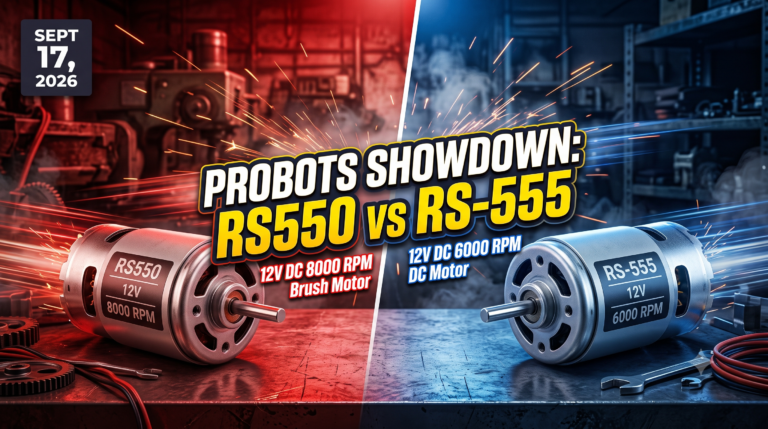
Showdown: RS550 12V DC 8000 vs RS-555 12V DC 6000 RPM DC Motor
Vol. 56 | The Heavyweight DC Drivetrain Duel Reliability isn’t optional when you’re designing actuators that need to move actual steel or
Read Article →
| Bulk Pricing | ||
|---|---|---|
| QTY | Unit Price(Inlc. GST) | |
| 2+ | ₹17,639.02 ₹ 14948.32 + 2690.7 GST | |
| 4+ | ₹17,459.03 ₹ 14795.79 + 2663.24 GST | |
| 6+ | ₹17,279.04 ₹ 14643.25 + 2635.79 GST | |
| 10+ | ₹16,919.06 ₹ 14338.19 + 2580.87 GST | |
Dominate the skies with 2500mW of raw RF power! The RUSHFPV Max Solo VTX features a CNC aluminium heatsink, an integrated active cooling fan, and Smart Audio protocol for extreme long-range and bando-bashing FPV flights.
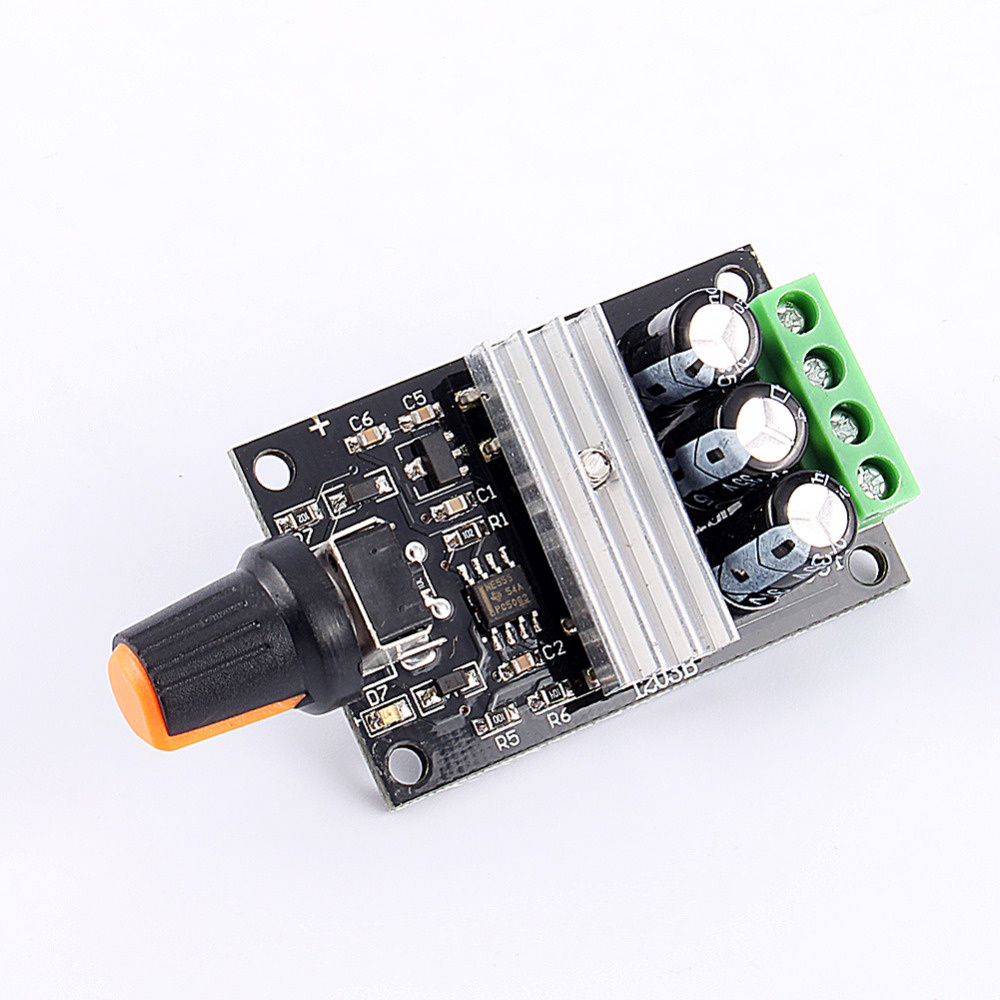 DC Motor PWM Speed Controller 28V 3A Board Module Variable ₹239.00
 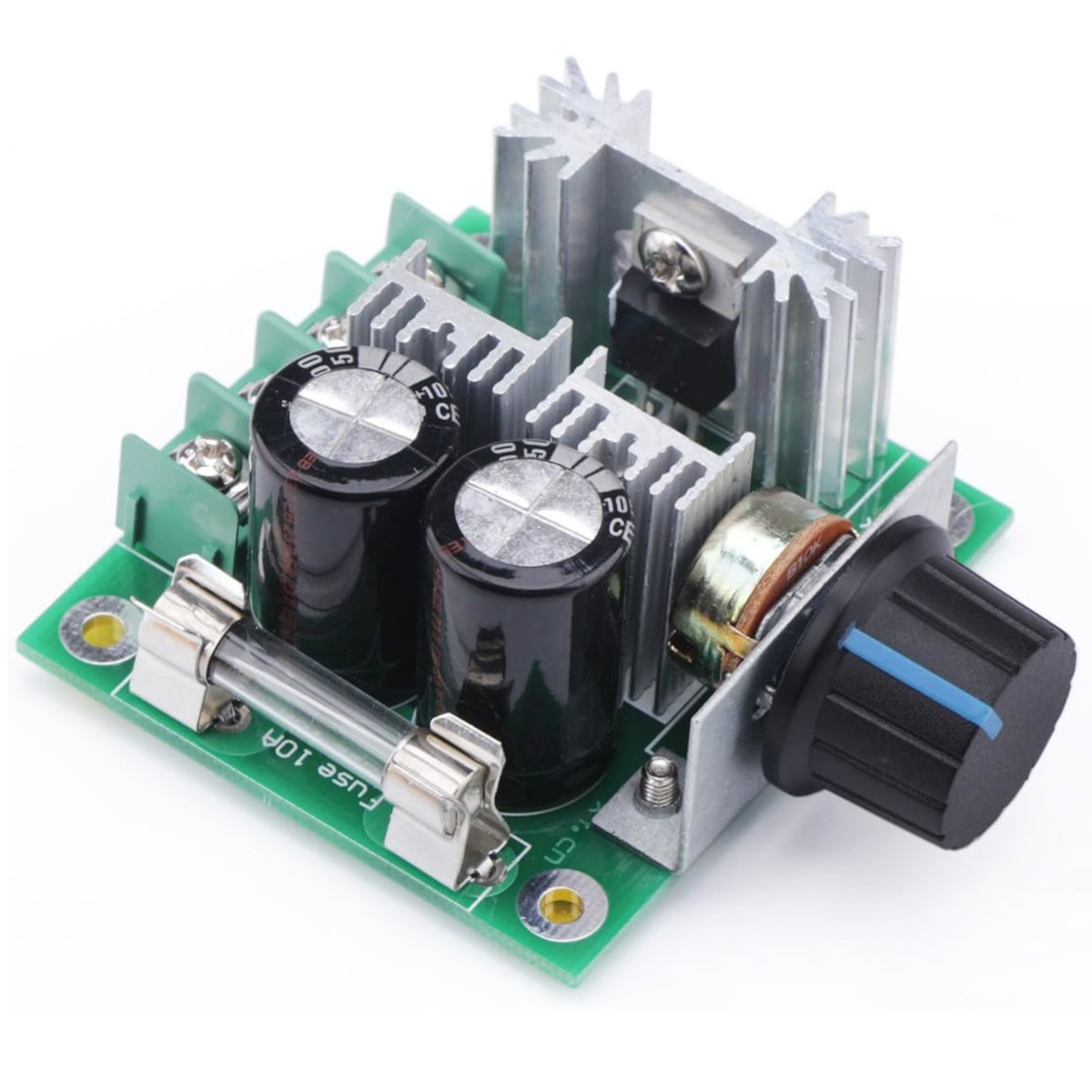 400W 40V 10A PWM DC Motor Speed Controller Board Module ₹259.00
 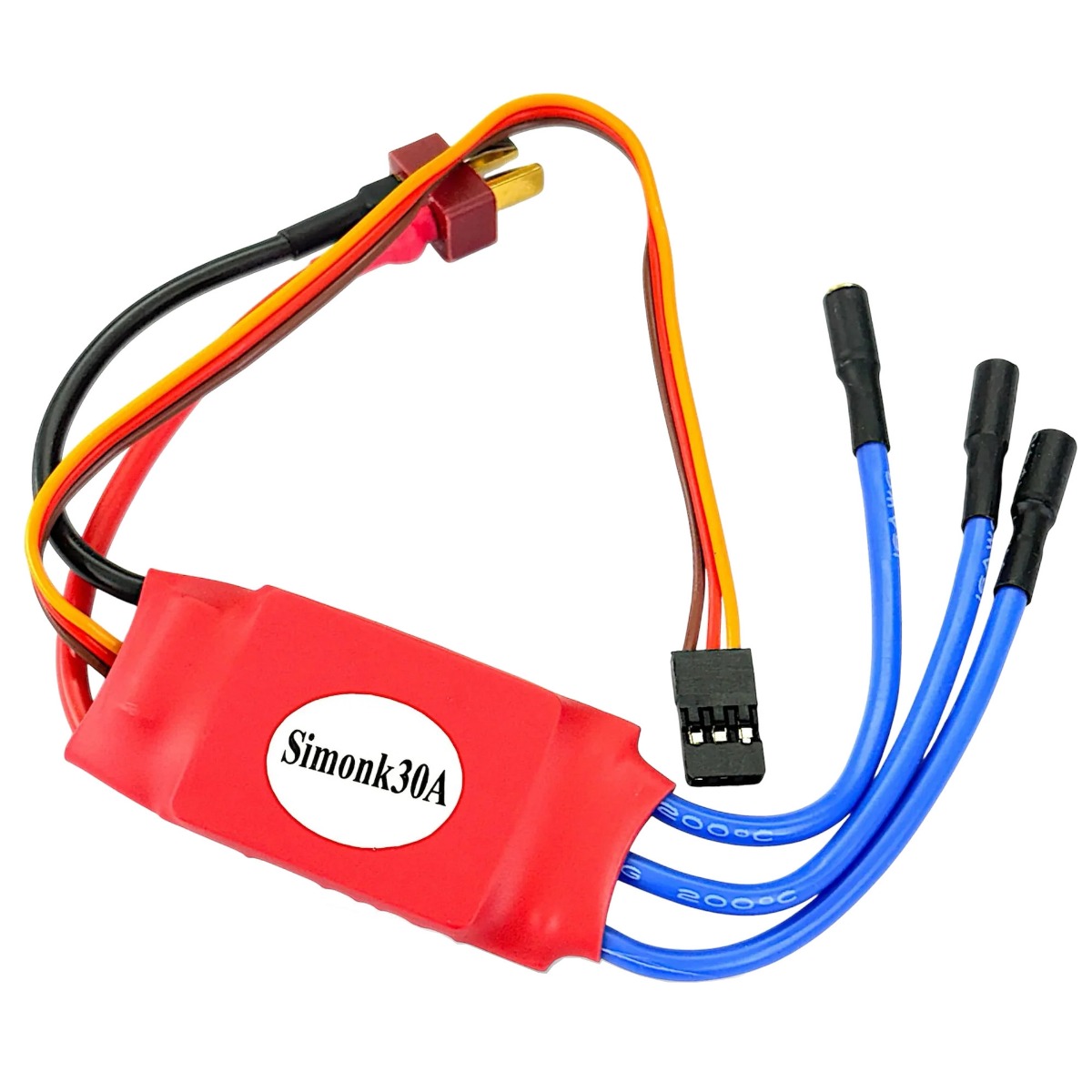 Simonk 30A Brushless ESC for F330 F450 F550 Drones - Pre-soldered Connectors ₹499.00
 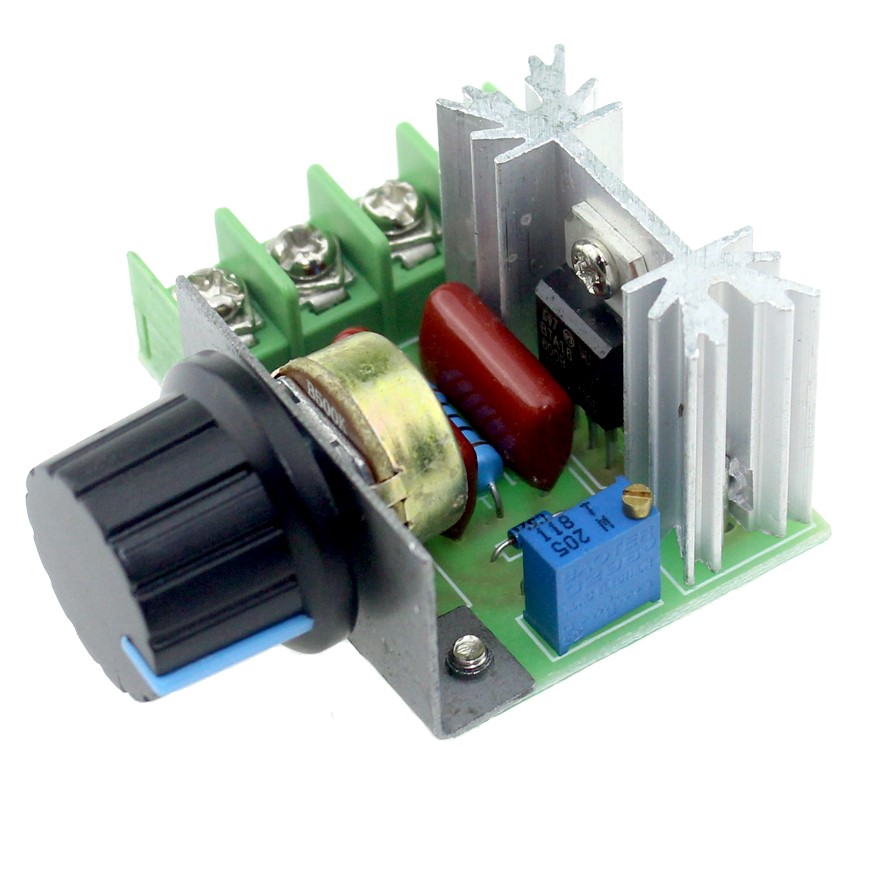 SCR Speed Controller Dimmers Voltage Regulator Dimming Module AC 220V 2000w ₹249.00
 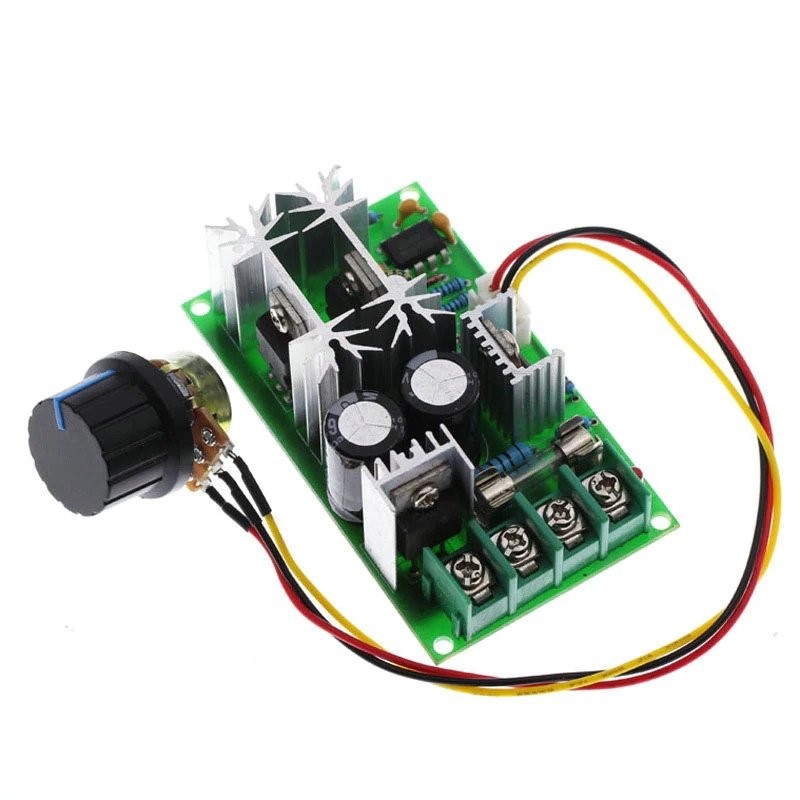 DC Motor Speed Controller Board Module PWM 48V 20A ₹549.00
 The 1.3GHz Penetration Advantage Standard 5.8GHz FPV video relies on microwaves that easily bounce off concrete and are completely absorbed by the water inside tree leaves. By utilizing the 1080-1360MHz frequency band, this V2 module rides on a significantly longer wavelength. This lower frequency physically wraps around obstacles and penetrates dense canopy, allowing you to fly miles into a dense pine forest or down into a rocky canyon while maintaining a crystal-clear video feed.
Staggering 4W (4000mW) Output & Power Consistency This image transmission system doesn't just rely on its frequency; it outputs an absolutely massive 4000mW (36dBm typical) at its maximum setting. It features highly efficient Power Amplifier (PA) calibration to ensure that power output remains perfectly consistent across all 16 available channels. You can adjust the power output through 5 distinct levels: PIT mode (-28dBm), 25mW (14dBm), 200mW (23dBm), 1000mW (30dBm), and the full 4000mW (36dBm).
Thermal Armor & Centrifugal Cooling Running 4 Watts of RF energy generates an immense amount of localized heat. To prevent thermal throttling, RUSHFPV has designed an aluminum alloy three-layer shell structure to act as a massive primary heat sink. Built directly into this shell is a large centrifugal fan that forces high-velocity air across the internal PCB, providing sufficient heat dissipation to guarantee stable transmitting power even when the drone is idling on the launch pad.
Clean RF Environment (PLL & Bandpass Filter) When running high power, RF noise can bleed into other frequencies and severely degrade your GPS lock or 900MHz UHF control link (like Crossfire). RUSHFPV solves this by utilizing a customized digital Phase-Locked Loop (PLL) circuit with chip-level integration to prevent any frequency drift. Furthermore, it includes a built-in hardware bandpass filter specifically tuned to reduce harmonic interference, protecting your critical navigation equipment.
Specifications
Operating Frequency: 1080-1360MHz (1.3GHz Band)
Channels: 16 Channels (Band A and Band B)
Modulation Type: FM
Input Voltage: DC 7-30V (Safe for 2S to 6S LiPo directly)
Maximum Current Draw: 1400mA @ 12V (at 4000mW output)
Output Power Levels: PIT / 25mW / 200mW / 1000mW / 4000mW
Control Protocol: IRC Tramp via DATA pin
Antenna Connector: SMA 50 Ohms
Operating Temperature: -10°C to +70°C
Key Applications and Projects
Fixed-Wing Long Range: Providing an unbreakable video link for large FPV flying wings executing 20km+ autonomous waypoint missions over rugged terrain.
Sub-Alpine Mountain Surfing: Allowing 7-inch quadcopters to dive down the backside of mountain ridges without losing video feed to rock occlusion.
Agricultural Mapping: Guaranteeing flawless video feeds when inspecting dense, high-moisture crop fields and orchards from a low altitude.
Unlock New Capabilities (Project Evolution) The Ultimate 1.3G / UHF Chimera Drone: Standard 5.8GHz drones are severely limited by line-of-sight physics. Evolve your fleet! Take a 7-inch carbon fiber frame and equip it with a TBS Crossfire Diversity receiver (915MHz) and a Matek GPS compass. Install this RUSHFPV 1.3G 4W Image Transmission V2 on the rear, wiring its DC-IN directly to your 6S battery voltage. Route the IRC Tramp telemetry wire to a spare UART TX pad on your Flight Controller. Because both your control link (UHF) and your video link (1.3GHz) now operate on highly penetrative, low-frequency wavelengths, you have built a drone capable of flying completely behind large concrete structures and dense hillsides—scenarios that would instantly failsafe a traditional rig!
Downloads:
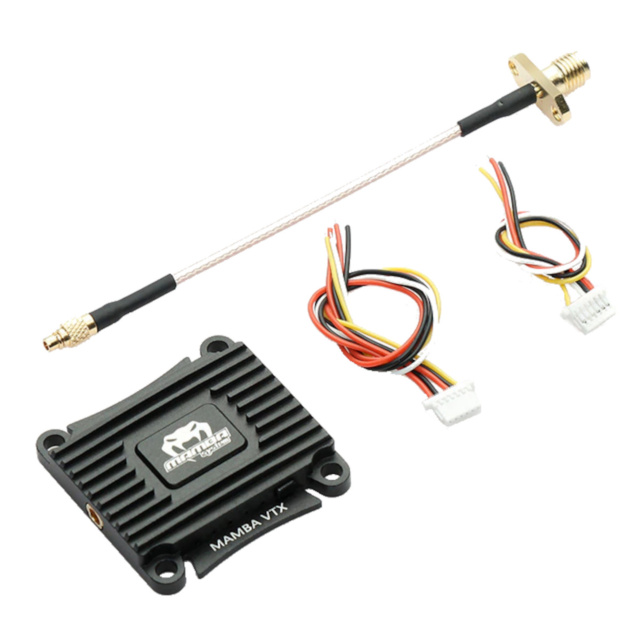
1x RUSHFPV 1.3G 4W Image Transmission V2 Module
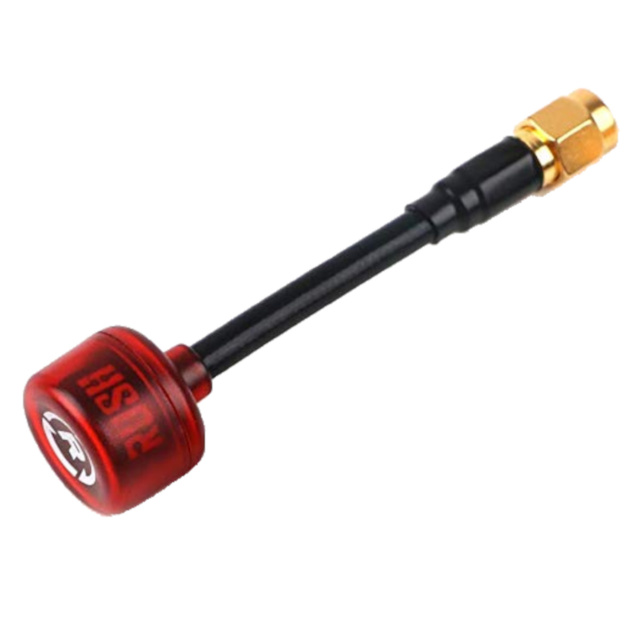
1x 1.3GHz RHCP Omni-directional Antenna (1.7dBi, 1200-1300MHz Bandwidth, RG402-SMA cable)
1x 6-Pin Connection Harness (DC-IN, GND, DATA, 5V, GND, VIDEO)

Q: What is the operating frequency band of the V2 Image Transmission module? The transmitter operates in the 1080-1360MHz frequency band.
Q: Can I use this with my standard 5.8GHz FPV goggles? No. You must install a dedicated 1.3GHz Video Receiver (VRX) module on your FPV goggles or ground station to intercept this signal.
Q: Will this 4W transmitter interfere with my drone's GPS module? High power can cause interference, but the V2 features a built-in bandpass filter specifically designed to reduce harmonic interference to navigation equipment. However, physical separation between the VTX antenna and GPS is still highly recommended.
Q: What is the maximum power output? The maximum output is power level 4, which is 4000mW (4 Watts).
Q: What input voltage does the module require? It requires a DC power supply between 7V and 30V (labeled 7-30V Lipo-IN).
Q: Can I power this directly from my 6S battery? Yes. A fully charged 6S LiPo is 25.2V, which falls safely within the 7-30V input range of the VTX.
Q: How much current does it draw at maximum power? At 4000mW, it draws approximately 1400mA at 12V. You must ensure your wiring and power pads can handle this current load.
Q: What happens if I power the module without an antenna attached? You will destroy the amplifier circuitry. The manufacturer explicitly warns that the antenna must be connected before use, otherwise there is a risk of damage to the product.
Q: How do I change channels manually without a flight controller? You can use the single onboard button. The button integrates an RGB LED; long press to enter settings, then use short presses to adjust the blue (band), red (channel), and green (power) values.
Q: Does it support remote OSD control via Betaflight/INAV? Yes. You can control it via the flight controller by connecting the DATA pin and utilizing the IRC Tramp control protocol.
Q: How do I enter PIT mode? PIT mode can be selected via OSD/Tramp, or manually via the button. In PIT mode, the power LED (green) remains always on.
Q: What does the PIT mode power level drop to? In PIT mode, the typical power output drops to -28dBm, allowing you to safely power up near other pilots without blowing out their video feeds.
Q: What kind of antenna connector does it use? It uses a standard SMA 50 Ohms threaded connector.
Q: What type of antenna is included in the box? The included transmitter antenna is a Right Hand Circular Polarized (RHCP) omni-directional antenna with 1.7dBi of gain and an RG402-SMA cable.
Q: Is the cooling fan always on? The unit utilizes a large centrifugal fan to provide sufficient heat dissipation. Given the extreme 4W power, active cooling is critical to ensure stable output.
Q: Does the module provide a 5V output for my FPV camera? Yes. The 6-pin wiring harness includes a dedicated 5V output pin specifically to power external analog cameras.
Q: How stable is the frequency on this V2 unit? It is extremely stable. It utilizes a customized digital PLL (Phase-Locked Loop) circuit with a frequency stability of ±100KHz (Typ.), resulting in absolutely no frequency drift.
Q: How many channels does this support? It supports 16 custom channels spread across Band A and Band B.
Q: Do I need an amateur radio license to use this? In almost all jurisdictions (including the US and Europe), transmitting on 1.3GHz at 4000mW strictly requires an active Amateur Radio (HAM) license.
Q: What is the operating temperature range? The module is rated to operate safely in environmental temperatures ranging from -10°C to +70°C.
Probots sells every Electronics Part for your next Project. You can order 10,000+ Electronic Parts Online - Arduino, Raspberry Pi, NodeMCU Development Boards, Sensors, Motors, Motor Drivers, SMPS, Plastic Enclosures etc in India directly on probots.co.in
We delivery electronics components and parts throughout India using standard couriers like Bluedart, Delhivery & India Post.
For order related queries contact -
This item is covered by a warranty of 7 days from the date of delivery, against confirmed manufacturing defects only, as verified by Probots' own testing and investigation. In case of a confirmed defect, we will replace the item — a refund is issued only if a replacement can't be supplied (e.g. discontinued or out of stock). Transit damage or a wrong item received must be reported within 3 days of delivery.
If the product shows signs of misuse, tampering, physical damage, static discharge, liquid or fire damage, use of unapproved chemicals, or has been soldered or physically altered in any way.
China
Probots sells every Electronics Part for your next Project. You can order 10,000+ Electronic Parts Online - Arduino, Raspberry Pi, NodeMCU Development Boards, Sensors, Motors, Motor Drivers, SMPS, Plastic Enclosures etc in India directly on probots.co.in
We offer specialized services for Bulk, Wholesale & B2B Customers like discounted prices, additional shipping options, customised products, etc . Customer with large quantity & regular orders qualify for the specialised discounted rates.
We also offer dedicated sales team to assist you with the order process by providing sales quotations, PI, technical support for choosing products, etc.
Note: Business Orders are processed manually and usually take 1-3 days to process compared to placing the order directly on our website. Please plan your purchases accordingly.
Need Help?
For bulk enquiries contact us by -



Probots Electronics is highly regarded for its highly skilled team and knowledgeable staff who provide expert guidance to ensure customers select the right components for their technical projects. The business maintains a strong reputation for prompt service and reliable support, with many clients praising their quick response times and genuine commitment to customer satisfaction.


A very great place for electronics Such a well maintained shop... Felt good shopping here


Nice

For new developments kit available and they will support till working, and I suggest this place strongly


This place has all the electronic parts students will ever need, staff is friendly and the place is organised.


It was a really nice experience! I was happy to find such a wide range of robotics kits for kids, suitable for different age groups and learning levels.

Excellent experience




Good stuff

Buyed them. But no bargain. Helpful staff.


Available all children school project spears parts like electronics


It was good experience




Staff is very patient and helpful

One of the best place for electronics you will get everything you want! With the best and orginal quality

Very helpful staff and the best place to buy components for projects

Wonderful store with expert service and technically strong people.

Prompt delivery, excellent technical support


Large inventory of electronic components and parts. Well trained service personnel and technicians who can quickly identify and rectify product defect if any. They are a reliable and trustworthy online stores.

A very great place for electronics Such a well maintained shop... Felt good shopping here
Nice
For new developments kit available and they will support till working, and I suggest this place strongly
This place has all the electronic parts students will ever need, staff is friendly and the place is organised.
It was a really nice experience! I was happy to find such a wide range of robotics kits for kids, suitable for different age groups and learning levels.
Excellent experience
Good stuff
Buyed them. But no bargain. Helpful staff.
Available all children school project spears parts like electronics
It was good experience
Staff is very patient and helpful
One of the best place for electronics you will get everything you want! With the best and orginal quality
Very helpful staff and the best place to buy components for projects
Wonderful store with expert service and technically strong people.
Prompt delivery, excellent technical support
Large inventory of electronic components and parts. Well trained service personnel and technicians who can quickly identify and rectify product defect if any. They are a reliable and trustworthy online stores.
● 20 min readVol. 56 | The Heavyweight DC Drivetrain Duel Reliability isn’t optional when you’re designing actuators that need to move actual steel or
Read Article → ● 13 min read
Workbench Vol. 49 🚀 The Project Trifecta: 3 Builds to Start Today We don’t just stock parts; we curate ecosystems. This week’s arrivals are desi
Read Article → ● 18 min read
Vol. 59 | The Battle of the Bite-Sized Boards Picture a project that needs full Linux, networking, and GPIO—but has almost no room for a conventional
Read Article →