
















 ● 20 min read
Showdown: RS550 12V DC 8000 vs RS-555 12V DC 6000 RPM DC Motor
Vol. 56 | The Heavyweight DC Drivetrain Duel Reliability isn’t optional when you’re designing actuators that need to move actual steel or
Read Article →
| Bulk Pricing | ||
|---|---|---|
| QTY | Unit Price(Inlc. GST) | |
| 25+ | ₹204.82 ₹ 173.58 + 31.24 GST | |
| 50+ | ₹202.73 ₹ 171.81 + 30.93 GST | |
| 75+ | ₹200.64 ₹ 170.03 + 30.61 GST | |
| 100+ | ₹196.46 ₹ 166.49 + 29.97 GST | |
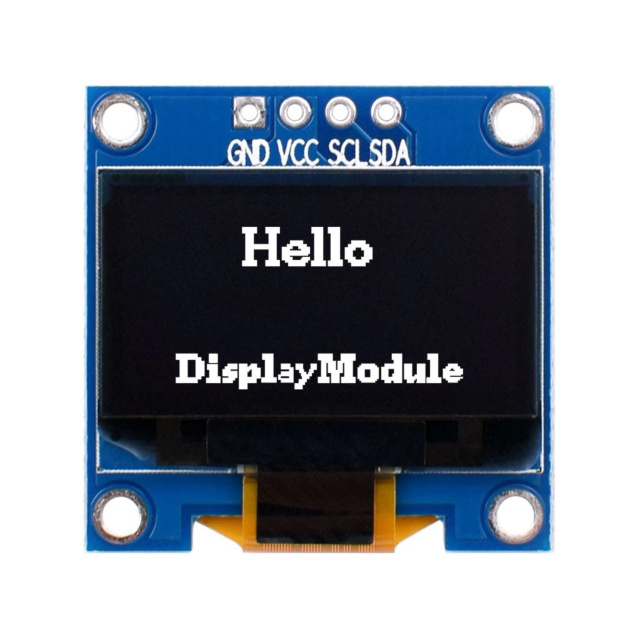
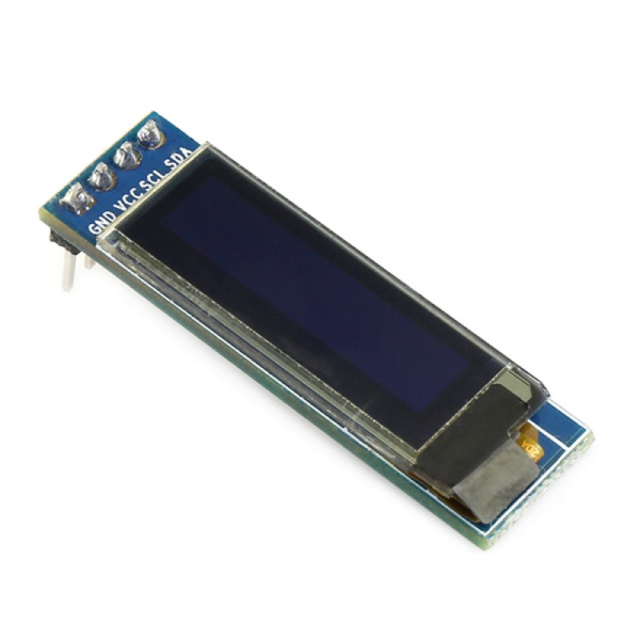
Add a crisp, high-contrast visual interface to your projects! This 4-pin OLED display features 128x64 bright blue pixels and operates via a simple I2C interface using the popular SSD1306 controller.
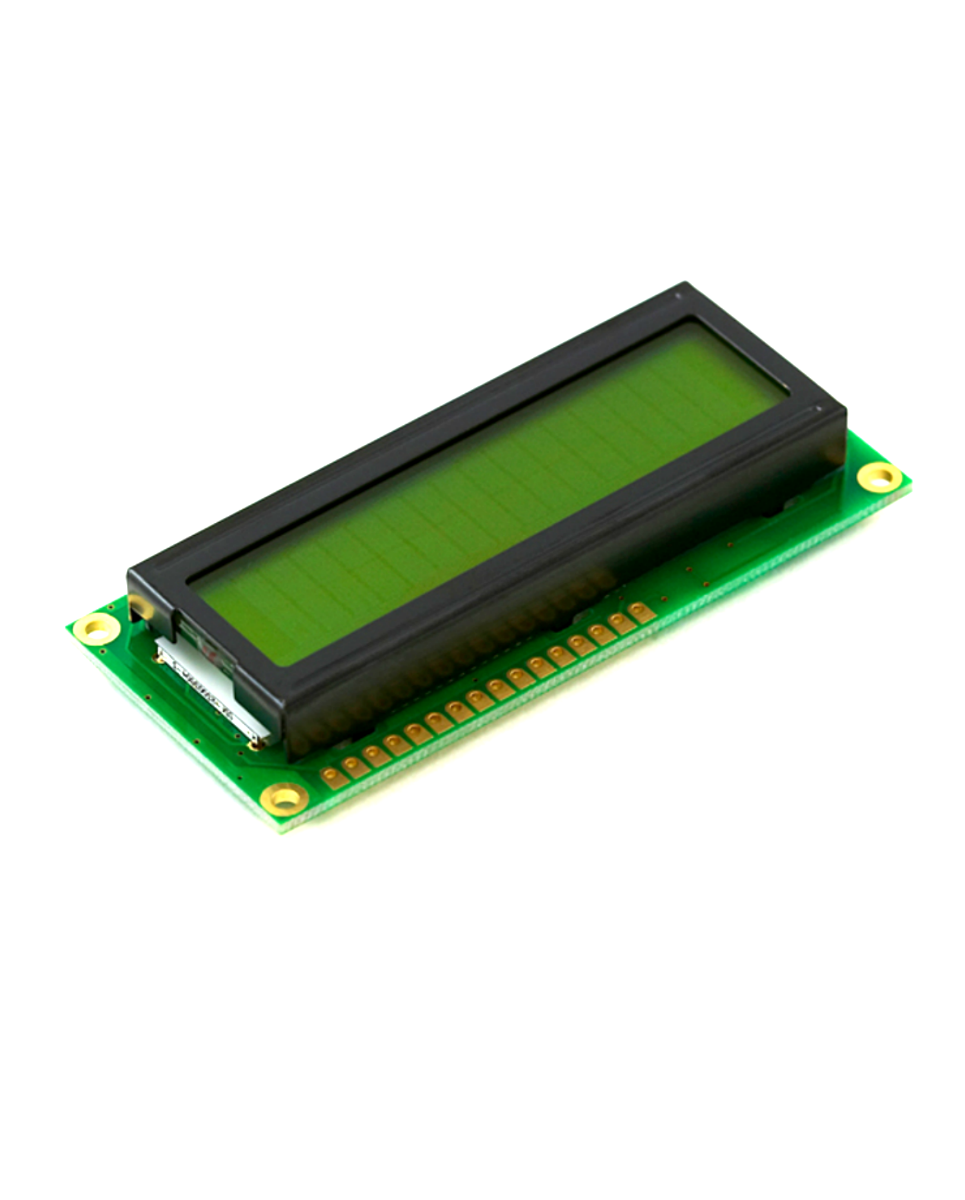 16 x 2 LCD with Green Backlight ₹149.00
 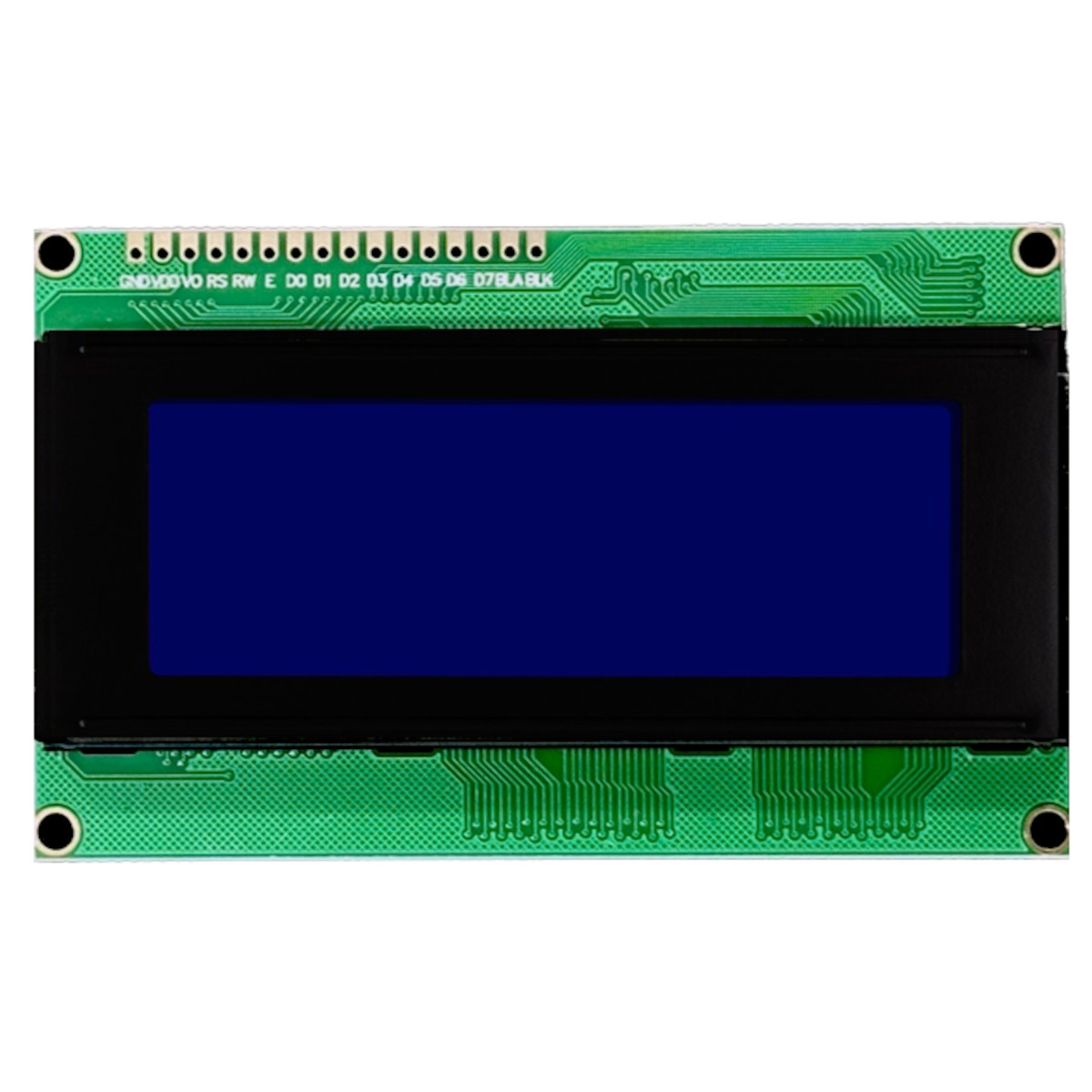 2004A 20x4 Character LCD Display Module - Blue Backlight (HD44780 Compatible) ₹499.00
 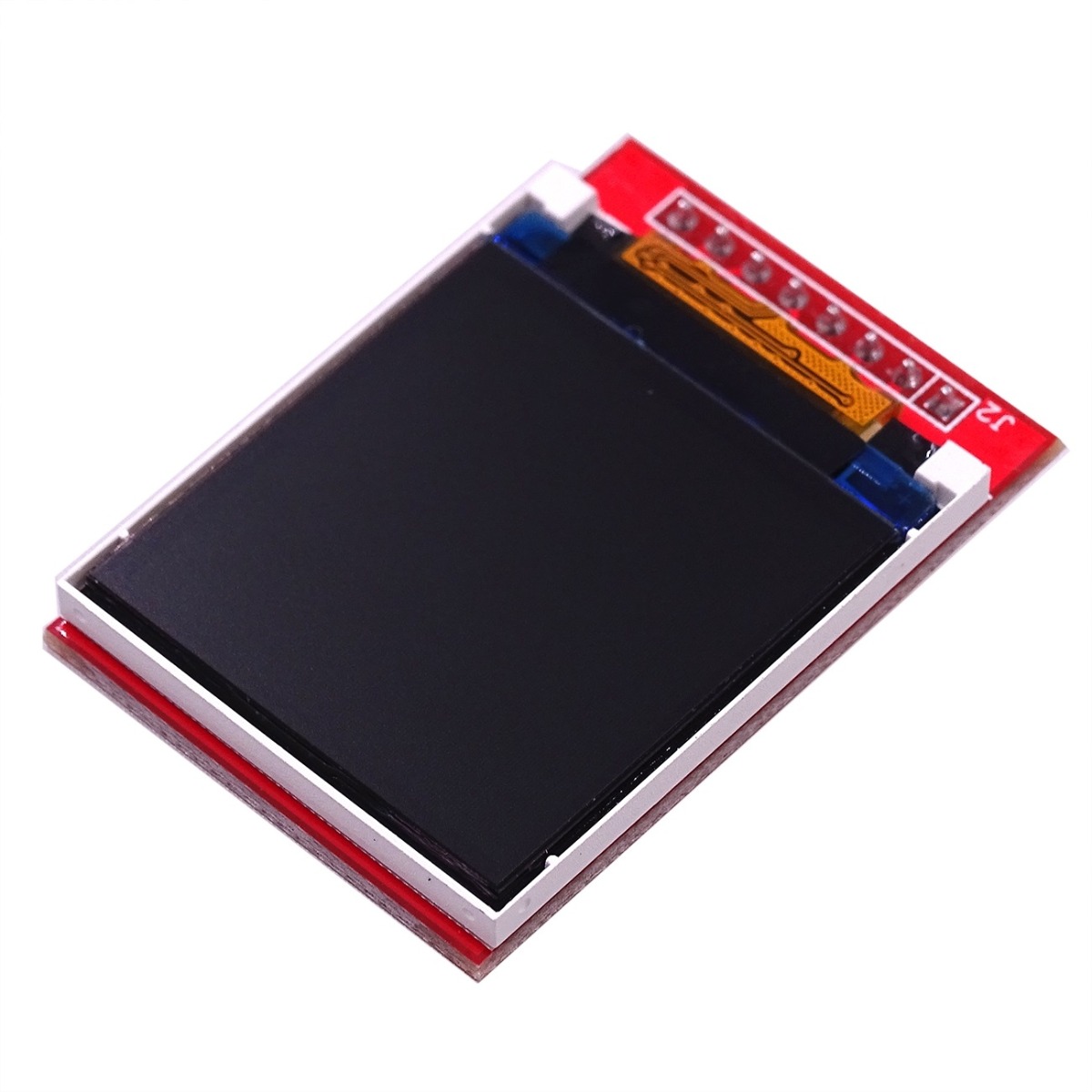 1.44 inch TFT LCD Display Module SPI Interface 128×128 ₹599.00
 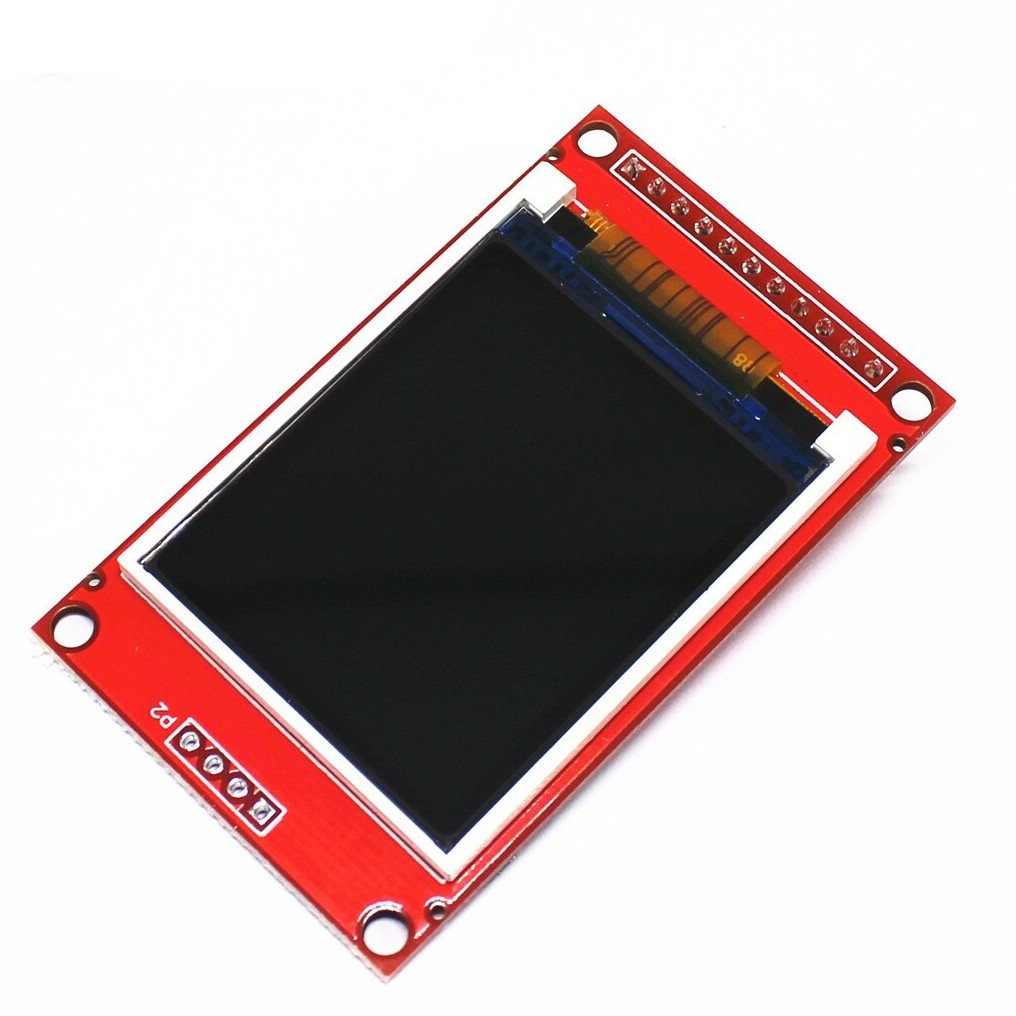 1.8 inch TFT LCD Display Module SPI Interface 128 x 160 ₹649.00
 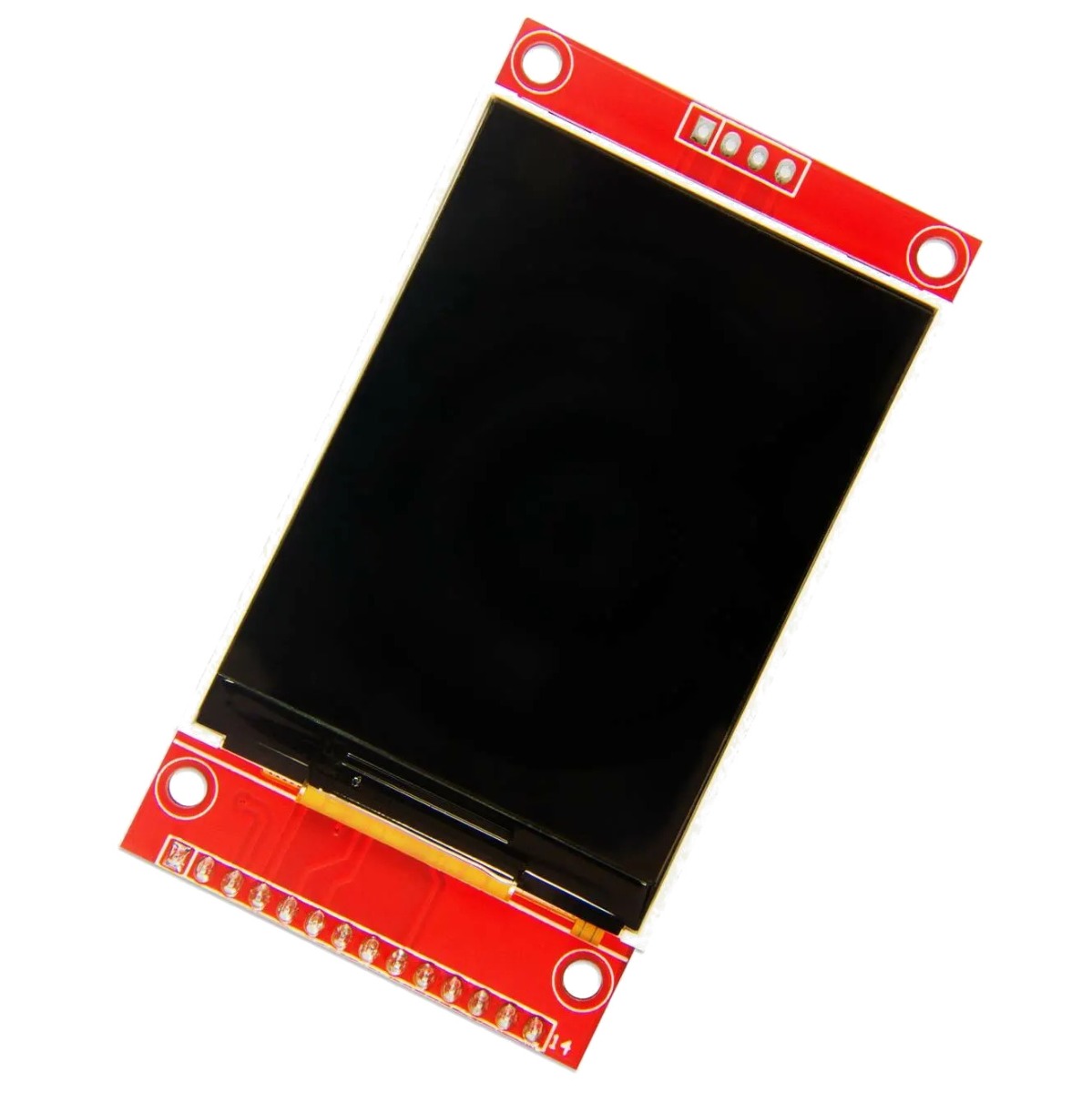 2.4 inch TFT LCD Display Module SPI Interface RGB 240 x 320 ₹899.00
 The Self-Illuminating OLED Advantage Traditional Liquid Crystal Displays (LCDs) rely on a large white backlight to push light through liquid pixels. This wastes power and washes out colors. This module utilizes OLED (Organic Light-Emitting Diode) technology. Every single one of the 8,192 pixels on this 128x64 grid is its own independent microscopic blue LED. When a pixel is turned off, it is completely black. This creates a stunning, high-contrast display that draws incredibly little power—often less than 20mA during typical use—making it the definitive choice for battery-powered IoT devices and wearables.
Seamless I2C Integration Wiring up standard LCDs often requires sacrificing 6 or more digital pins on your microcontroller. This 4-pin OLED relies on the I2C (Inter-Integrated Circuit) bus. Aside from standard Power (VCC) and Ground (GND), it requires only two data lines: Serial Clock (SCL) and Serial Data (SDA). Because I2C is a bus system, you can easily connect this display to the exact same two pins you are already using for your I2C temperature or motion sensors.
SSD1306 Driver Ecosystem The true power of this display lies in the SSD1306 controller chip hidden beneath the glass. This specific chip is one of the most widely supported display drivers in the maker community. By importing highly optimized libraries (such as the Adafruit_SSD1306 or U8g2 library) into your Arduino IDE, you can instantly render custom fonts, draw geometric shapes, create scrolling text, or even upload custom bitmap logos with just a few lines of code.
Specifications
Display Technology: OLED (Organic Light-Emitting Diode)
Resolution: 128 x 64 pixels
Pixel Color: Monochromatic Blue
Driver IC: SSD1306 (0.96" variants) / SH1106 (1.3" variants)
Communication Interface: I2C (Inter-Integrated Circuit)
Pin Count: 4 Pins (VCC, GND, SCL, SDA)
Operating Voltage: 3.3V to 5V DC
Logic Voltage: 3.3V to 5V Tolerant
Viewing Angle: > 160 Degrees
Default I2C Address: 0x3C (or 0x3D)
Key Applications and Projects
Wearable Smartwatches: Acting as the primary, low-power display for custom ESP32-based fitness trackers.
Environmental Dashboards: Rendering real-time temperature, humidity, and barometric pressure data from a BME280 sensor into clean, readable fonts.
Menu Systems: Combining the display with a rotary encoder to create a deeply nested configuration menu for custom CNC controllers or 3D printers.
Unlock New Capabilities (Project Evolution) The Live Network Monitor: LEDs are great for basic status indicators, but they can't tell you why a system is failing. Evolve your IoT nodes! Connect this OLED to an ESP8266 or ESP32. Instead of just trying to ping your home router, program the ESP to continuously draw a real-time graph of your Wi-Fi signal strength (RSSI) on the OLED. You have just built a portable, battery-powered network diagnostic tool to map out Wi-Fi dead zones in your house!
Downloads:
Package Includes:
1. Is this an SPI or I2C display? Despite the product title containing both acronyms, a module with exactly 4 pins labeled VCC, GND, SCL, and SDA is exclusively an I2C display. SPI variants of this screen feature 6 or 7 pins (adding MOSI, CS, DC, and RES).
2. Does it need a backlight? No. OLED technology is self-illuminating. Each individual pixel produces its own light, eliminating the need for a separate backlight component.
3. What voltage does it require? The module contains an onboard voltage regulator, allowing it to be safely powered by either 3.3V or 5V DC supplies.
4. Can I use this with a 5V Arduino Uno? Yes. You can connect VCC to the Arduino's 5V pin, and the I2C logic lines are generally 5V tolerant on these modules, allowing direct connection to the A4 (SDA) and A5 (SCL) pins.
5. Can I use this with a 3.3V ESP32 or Raspberry Pi? Absolutely. It runs natively and highly efficiently on 3.3V logic.
6. What are the SCL and SDA pins? SCL stands for Serial Clock, and SDA stands for Serial Data. These are the two communication lines required for the I2C protocol.
7. What is the default I2C address? The default I2C address for the majority of these SSD1306 modules is 0x3C. Occasionally, they may ship with address 0x3D. You can run an "I2C Scanner" sketch on your Arduino to verify.
8. How do I change the I2C address? If you look at the back of the PCB, there is often a tiny solder jumper. By moving the solder blob from the 0x78 position to the 0x7A position, it shifts the address from 0x3C to 0x3D, allowing you to run two screens on the exact same microcontroller.
9. The image back says 1.30", is it 0.96" or 1.3"? While the listing references 0.96", the PCB photos provided indicate a 1.30" variant. They function almost identically, but a 1.30" screen often uses an SH1106 driver chip instead of the SSD1306. If your screen displays static with the SSD1306 library, switch to the SH1106 library.
10. What color are the pixels? This specific module features single-color Blue pixels against a black background.
11. Can it display colors other than blue? No. This is a monochromatic display. Every pixel on the screen is physically manufactured as a blue LED. It cannot produce red, green, or full RGB colors.
12. Does it support grayscale or varying brightness? While you cannot independently dim individual pixels (they are strictly ON or OFF), you can adjust the overall contrast/brightness of the entire display simultaneously via software commands in your library.
13. What Arduino library should I use? The Adafruit_SSD1306 library combined with Adafruit_GFX is the industry standard and easiest for beginners. The U8g2 library is also highly recommended for more complex text and font support.
14. What is "screen burn-in" and will it happen here? Because OLEDs are organic LEDs, if you leave the exact same static text on the screen at maximum brightness for thousands of hours, those specific pixels will wear out faster and leave a faint "ghost" image. To prevent this, use a screen saver or turn the display off when not actively viewed.
15. Why is my screen showing random static/snow on startup? This is normal. The RAM inside the display driver wakes up in a random state. Once your microcontroller finishes booting and executes the display.clearDisplay() command in your code, the static will vanish.
16. Does the module draw a lot of power? No, it is incredibly efficient. A fully lit screen draws around 20mA, while a mostly black screen with a few lines of text may draw less than 5mA.
17. Do I need external pull-up resistors on the I2C lines? Usually, no. Most 4-pin OLED modules have tiny 4.7K or 10K pull-up resistors pre-soldered onto the back of the PCB for the SDA and SCL lines.
18. Can I display images or logos on this screen? Yes! You can convert small black-and-white JPEG/PNG images into hexadecimal byte arrays using online "image to CPP" converters, and draw those byte arrays to the screen using your display library.
19. What is the refresh rate? Depending on how fast your microcontroller can push data over the I2C bus (standard 100kHz or fast 400kHz), you can achieve refresh rates fast enough for smooth, fluid animations and basic games (e.g., Flappy Bird clones or Pong).
20. Why did my code compile, but the screen remains completely black? Check three things:
Ensure SDA and SCL are wired to the correct pins (they are not interchangeable).
Ensure you are initializing the correct I2C address in your code (try 0x3C).
Ensure you are calling the display.display() command at the end of your loop; drawing commands only update the buffer in memory until you explicitly command the screen to refresh.

| Display Technology | OLED |
|---|---|
| Touch Capability | Non-Touch |
| Communication Interface | I2C / SPI |
| Smart / Integrated Ecosystem | Standard Display (Requires external MCU) |
| Screen Size (Diagonal) | Micro (< 1.5 Inch) |
Probots sells every Electronics Part for your next Project. You can order 10,000+ Electronic Parts Online - Arduino, Raspberry Pi, NodeMCU Development Boards, Sensors, Motors, Motor Drivers, SMPS, Plastic Enclosures etc in India directly on probots.co.in
We delivery electronics components and parts throughout India using standard couriers like Bluedart, Delhivery & India Post.
For order related queries contact -
This item is covered by a warranty of 7 days from the date of delivery, against confirmed manufacturing defects only, as verified by Probots' own testing and investigation. In case of a confirmed defect, we will replace the item — a refund is issued only if a replacement can't be supplied (e.g. discontinued or out of stock). Transit damage or a wrong item received must be reported within 3 days of delivery.
If the product shows signs of misuse, tampering, physical damage, static discharge, liquid or fire damage, use of unapproved chemicals, or has been soldered or physically altered in any way.
China
Probots sells every Electronics Part for your next Project. You can order 10,000+ Electronic Parts Online - Arduino, Raspberry Pi, NodeMCU Development Boards, Sensors, Motors, Motor Drivers, SMPS, Plastic Enclosures etc in India directly on probots.co.in
We offer specialized services for Bulk, Wholesale & B2B Customers like discounted prices, additional shipping options, customised products, etc . Customer with large quantity & regular orders qualify for the specialised discounted rates.
We also offer dedicated sales team to assist you with the order process by providing sales quotations, PI, technical support for choosing products, etc.
Note: Business Orders are processed manually and usually take 1-3 days to process compared to placing the order directly on our website. Please plan your purchases accordingly.
Need Help?
For bulk enquiries contact us by -



Probots Electronics is highly regarded for its highly skilled team and knowledgeable staff who provide expert guidance to ensure customers select the right components for their technical projects. The business maintains a strong reputation for prompt service and reliable support, with many clients praising their quick response times and genuine commitment to customer satisfaction.


A very great place for electronics Such a well maintained shop... Felt good shopping here


Nice

For new developments kit available and they will support till working, and I suggest this place strongly


This place has all the electronic parts students will ever need, staff is friendly and the place is organised.


It was a really nice experience! I was happy to find such a wide range of robotics kits for kids, suitable for different age groups and learning levels.

Excellent experience




Good stuff

Buyed them. But no bargain. Helpful staff.


Available all children school project spears parts like electronics


It was good experience




Staff is very patient and helpful

One of the best place for electronics you will get everything you want! With the best and orginal quality

Very helpful staff and the best place to buy components for projects

Wonderful store with expert service and technically strong people.

Prompt delivery, excellent technical support


Large inventory of electronic components and parts. Well trained service personnel and technicians who can quickly identify and rectify product defect if any. They are a reliable and trustworthy online stores.

A very great place for electronics Such a well maintained shop... Felt good shopping here
Nice
For new developments kit available and they will support till working, and I suggest this place strongly
This place has all the electronic parts students will ever need, staff is friendly and the place is organised.
It was a really nice experience! I was happy to find such a wide range of robotics kits for kids, suitable for different age groups and learning levels.
Excellent experience
Good stuff
Buyed them. But no bargain. Helpful staff.
Available all children school project spears parts like electronics
It was good experience
Staff is very patient and helpful
One of the best place for electronics you will get everything you want! With the best and orginal quality
Very helpful staff and the best place to buy components for projects
Wonderful store with expert service and technically strong people.
Prompt delivery, excellent technical support
Large inventory of electronic components and parts. Well trained service personnel and technicians who can quickly identify and rectify product defect if any. They are a reliable and trustworthy online stores.
● 20 min readVol. 56 | The Heavyweight DC Drivetrain Duel Reliability isn’t optional when you’re designing actuators that need to move actual steel or
Read Article → ● 13 min read
Workbench Vol. 49 🚀 The Project Trifecta: 3 Builds to Start Today We don’t just stock parts; we curate ecosystems. This week’s arrivals are desi
Read Article → ● 18 min read
Vol. 59 | The Battle of the Bite-Sized Boards Picture a project that needs full Linux, networking, and GPIO—but has almost no room for a conventional
Read Article →