











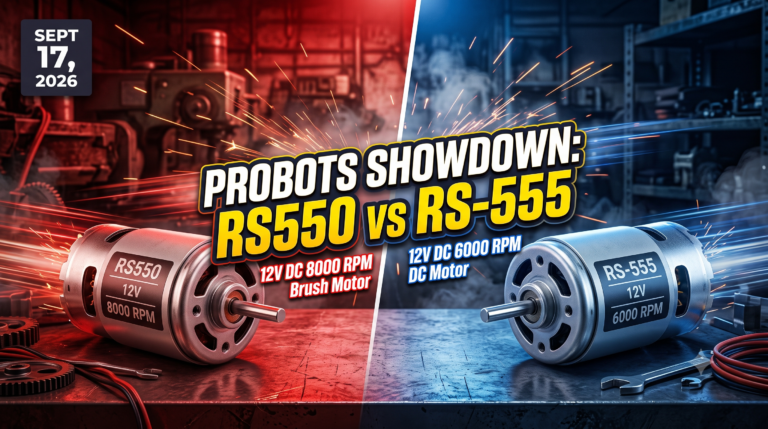
 ● 20 min read
Showdown: RS550 12V DC 8000 vs RS-555 12V DC 6000 RPM DC Motor
Vol. 56 | The Heavyweight DC Drivetrain Duel Reliability isn’t optional when you’re designing actuators that need to move actual steel or
Read Article →
| Bulk Pricing | ||
|---|---|---|
| QTY | Unit Price(Inlc. GST) | |
| 25+ | ₹475.30 ₹ 402.8 + 72.5 GST | |
| 50+ | ₹470.45 ₹ 398.69 + 71.76 GST | |
| 75+ | ₹465.60 ₹ 394.58 + 71.02 GST | |
| 100+ | ₹455.90 ₹ 386.36 + 69.54 GST | |
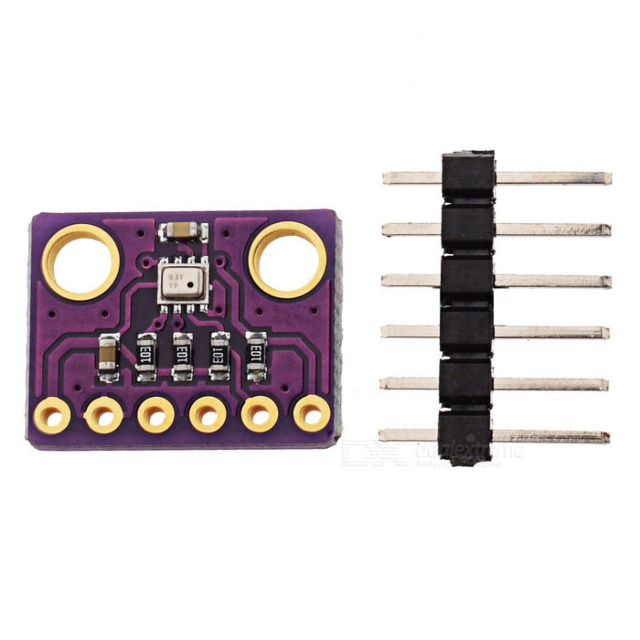
Get complete environmental data from a single chip! The BME280 module accurately measures temperature, humidity, and barometric pressure (altitude). It features a 5V compatible I2C interface on a compact purple PCB.
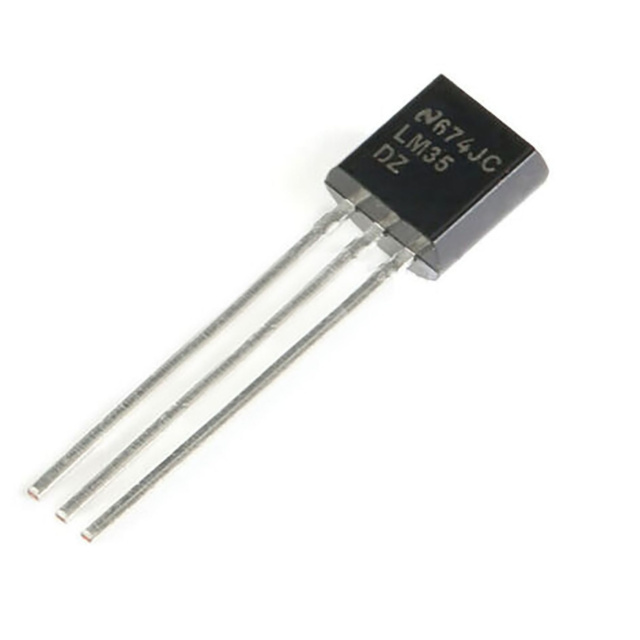
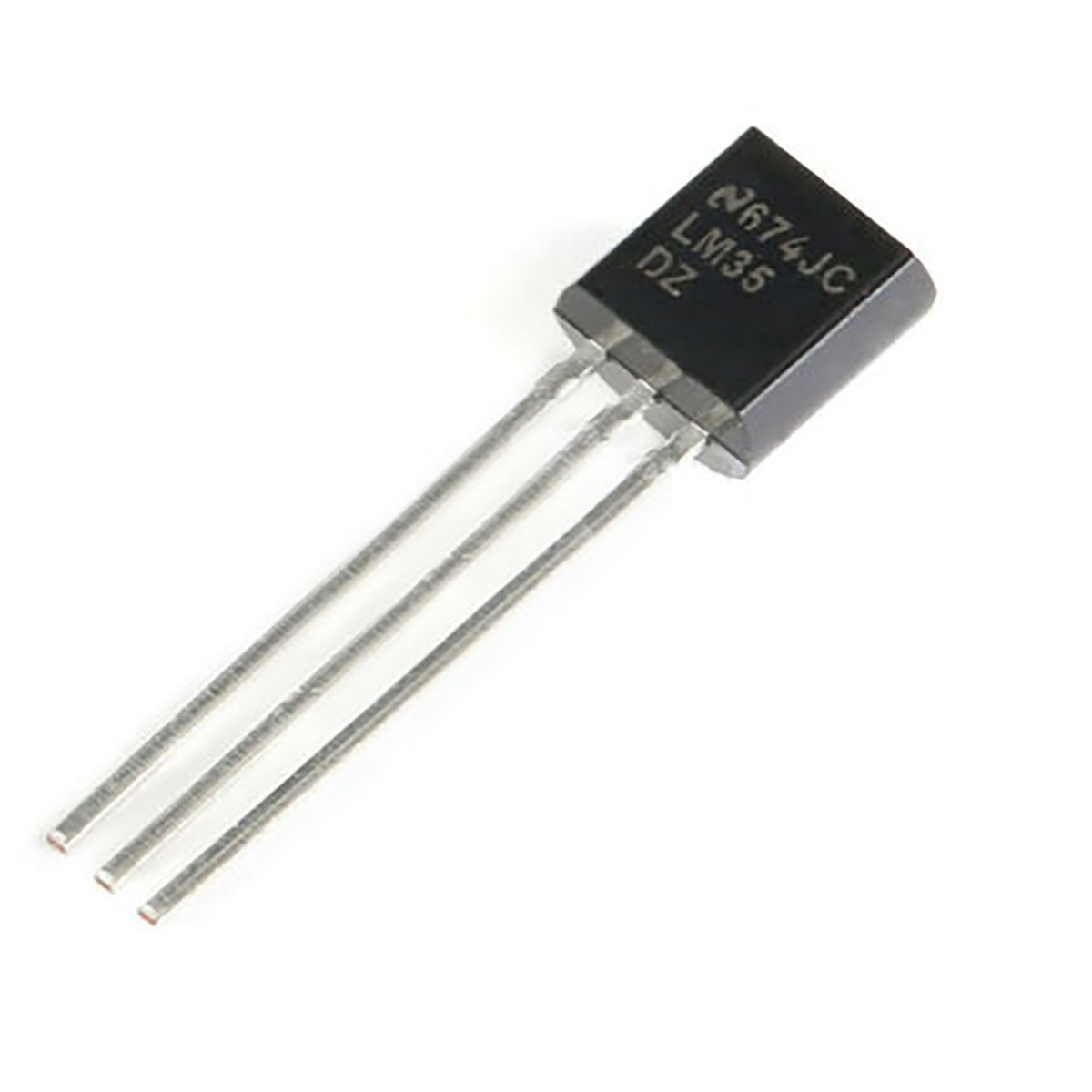 LM35 Temperature Sensor with Analog Output ₹85.00
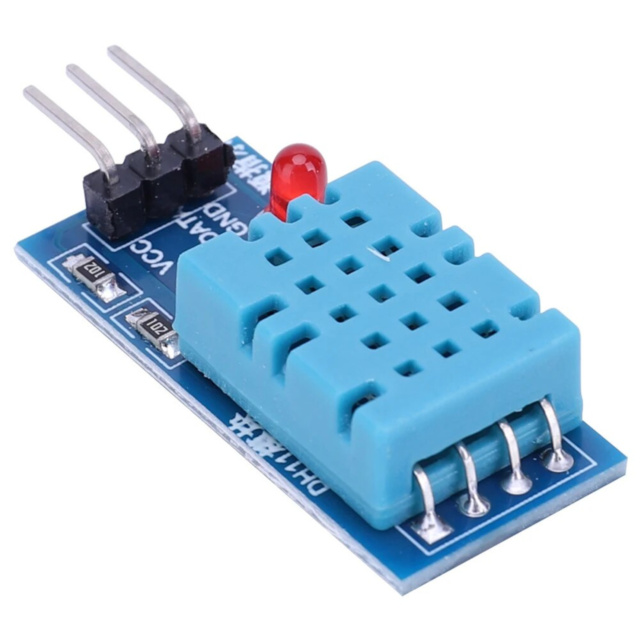
 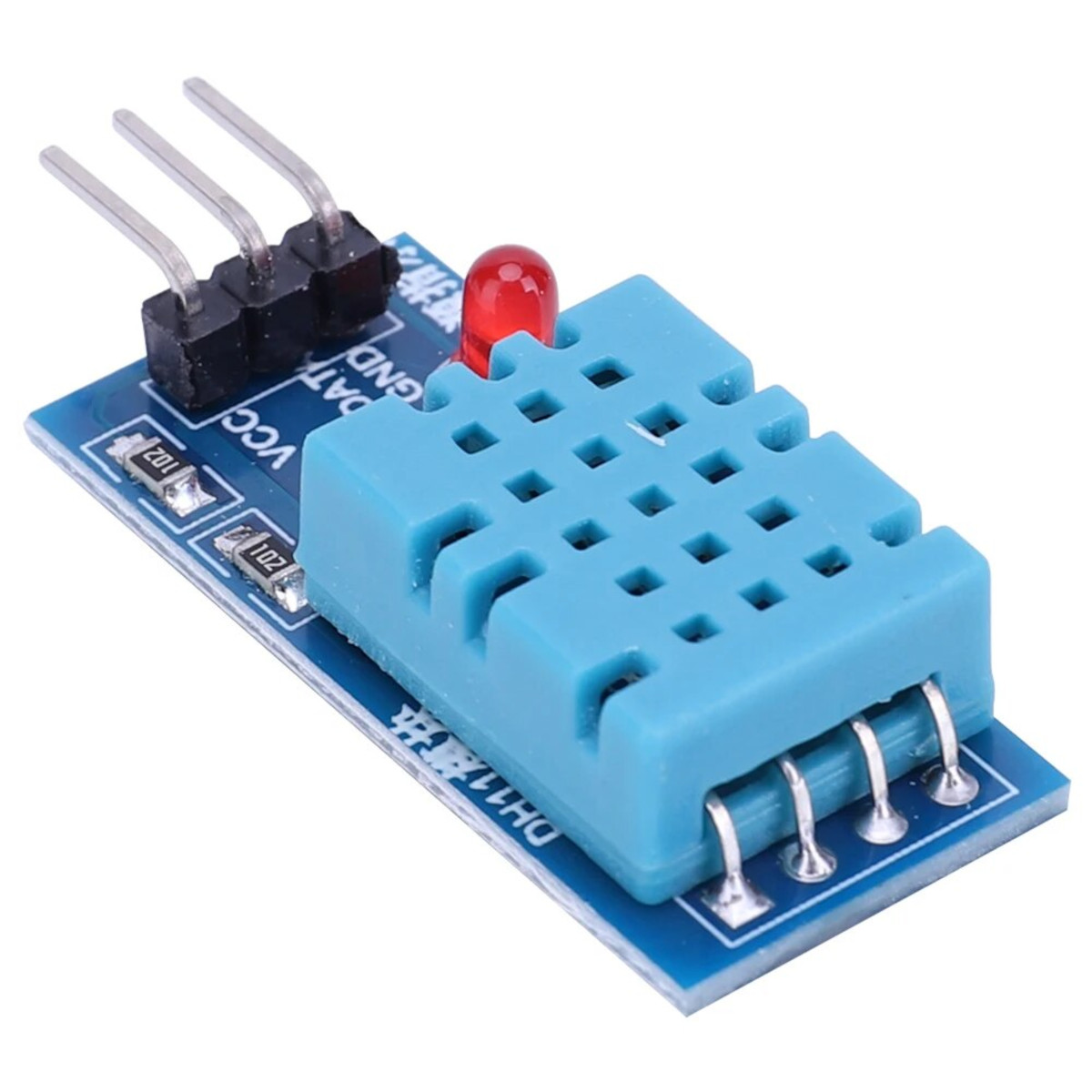 DHT11 Humidity and Temperature Sensor Module for Arduino ₹99.00
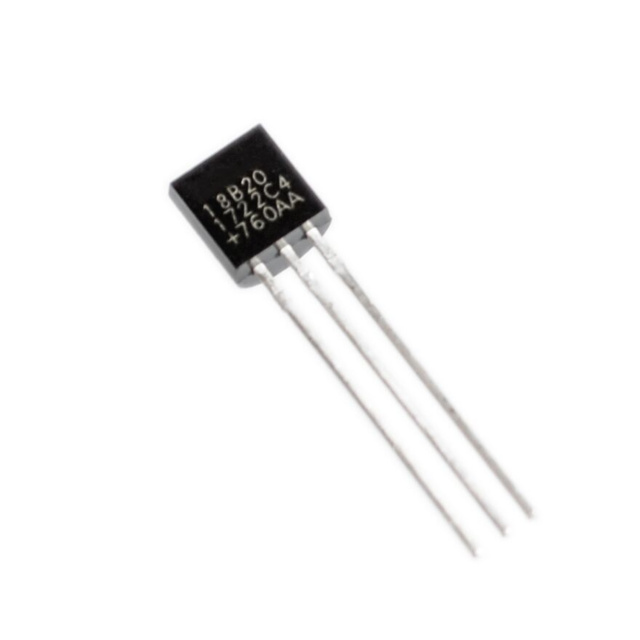
 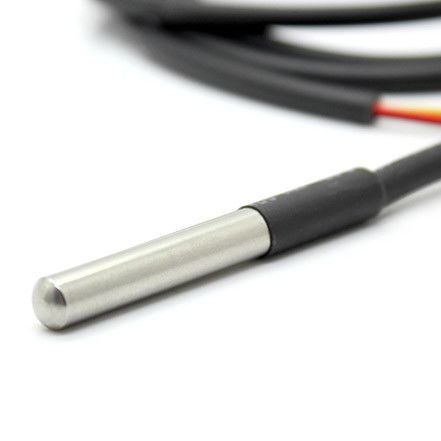 DS18B20 Waterproof Temperature Sensor for Arduino Raspberry Pi ₹49.00
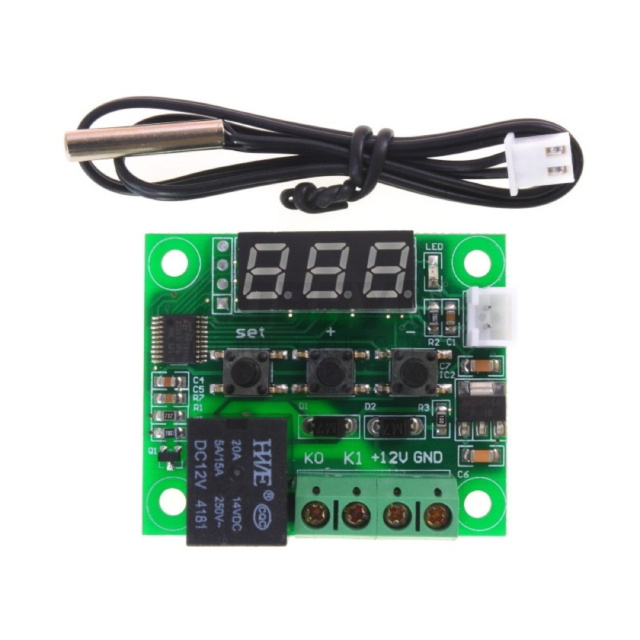
 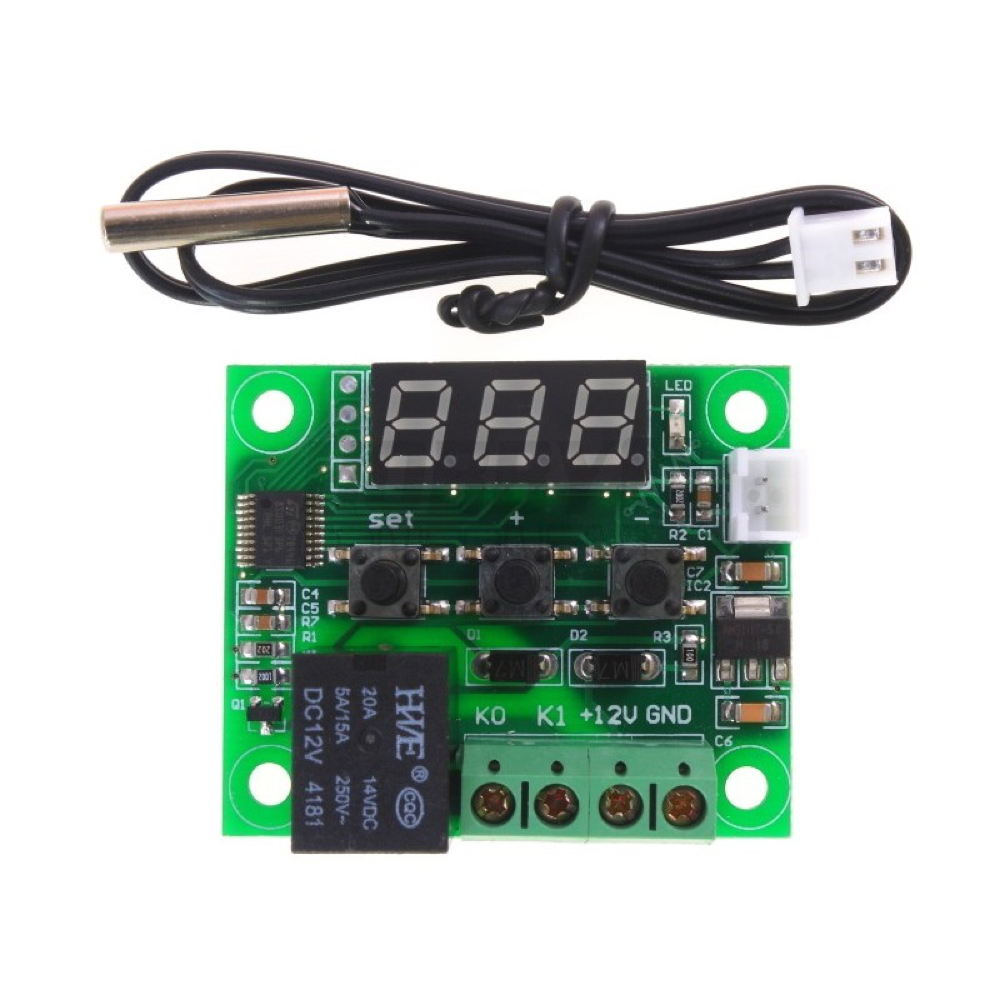 Temperature Control Switch Relay W1209 Thermostat Board Module ₹199.00
 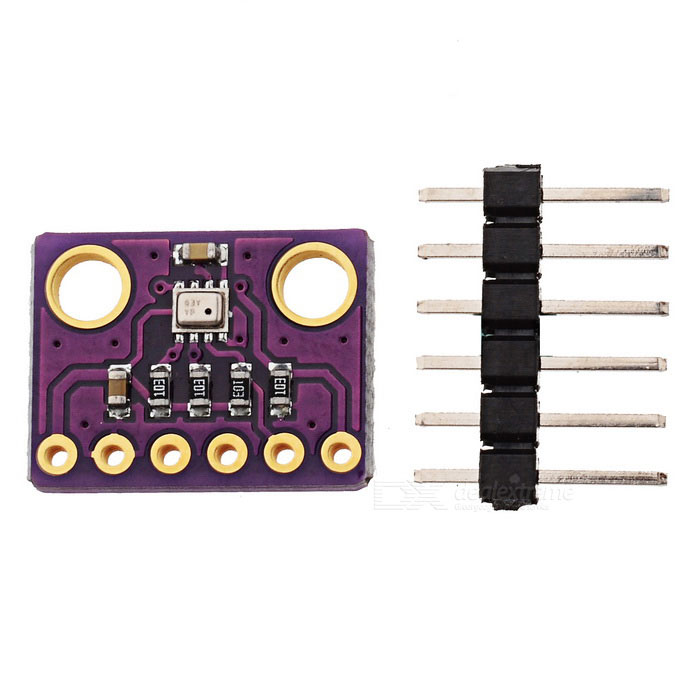 BMP280 Digital Barometric Pressure Altitude Temperature Sensor ₹299.00
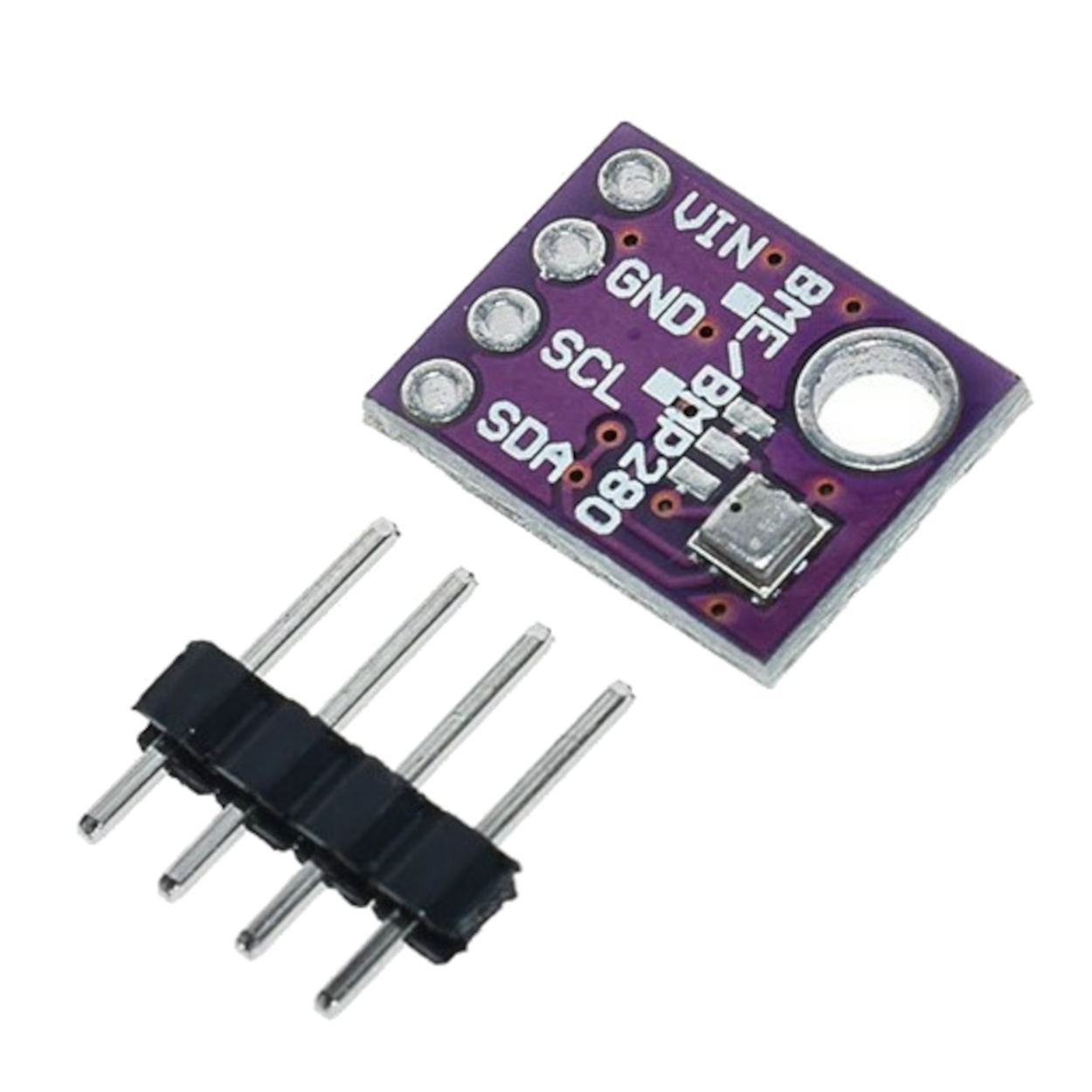
 The Ultimate Environmental Sensor Why wire up three different sensors when you can use one? The BME280 is a legendary integrated environmental sensor developed by Bosch. It combines highly linear temperature, humidity, and barometric pressure sensors into a single tiny metallic package, which is prominently mounted on the front of this module. The front silkscreen is marked "BME/BMP280", indicating the PCB design is shared, but this specific model hosts the upgraded BME280 chip featuring the critical humidity sensor.
Simple I2C Interface Connecting this sensor to your microcontroller is remarkably easy. The module uses the two-wire I2C communication protocol. The front of the purple PCB clearly labels the four necessary connection pins: VIN (Power), GND (Ground), SCL (Serial Clock), and SDA (Serial Data).
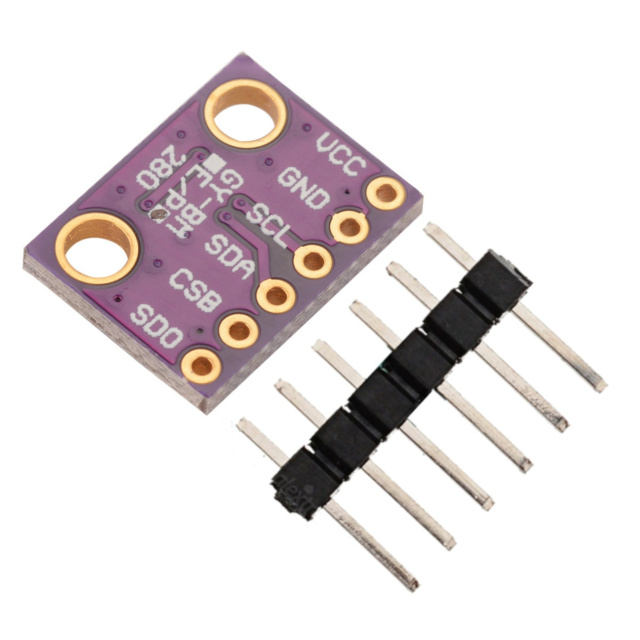
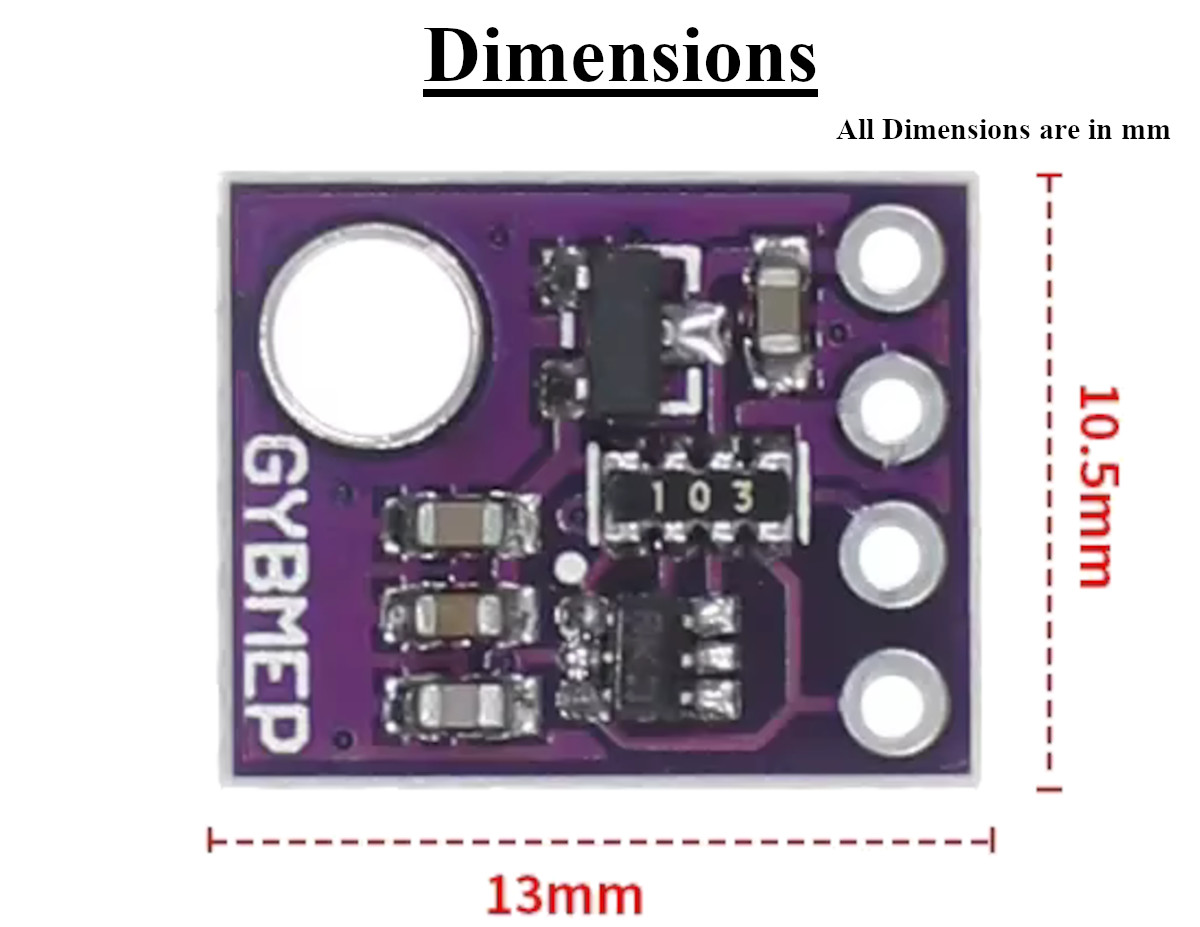
5V Compatible Design While the bare BME280 chip operates strictly on 3.3V, this specific module is designed to be 5V friendly. The back of the PCB, labeled "GYBMEP", houses essential support circuitry. This includes surface-mount capacitors, pull-up resistors (like the one marked "103"), and a voltage regulator. This onboard regulation allows you to safely supply 5V to the VIN pin directly from an Arduino Uno without frying the delicate sensor.
Compact and Mountable The module is designed for easy integration into custom enclosures. It features a single, large mounting hole in the corner of the PCB to securely fasten it to a chassis. The kit includes a 4-pin male header strip that arrives unsoldered, giving you the choice to solder it straight, at a right angle, or to solder wires directly to the pads for a lower profile.
Specifications
Sensor Chip: BME280
PCB Color: Purple
Measured Parameters: Temperature, Humidity, Barometric Pressure (Altitude)
Interface: I2C (SCL, SDA pins)
Power Supply (VIN): 3.3V to 5V (Onboard Regulator)
Pin Count: 4 Pins
Mounting: 1x Structural Mounting Hole
Key Applications and Projects
Desktop Weather Stations: Combining the BME280 with an I2C OLED display and an Arduino to create a real-time, highly accurate indoor climate monitor.
Drone and UAV Altimeters: Using the highly sensitive barometric pressure data to calculate rapid altitude changes for drone flight stabilization.
Smart Home HVAC Control: Feeding room temperature and humidity data to Home Assistant via an ESP32 to trigger dehumidifiers or smart thermostats automatically.
Unlock New Capabilities (Project Evolution) The Solar-Powered IoT Weather Node: Take your environmental monitoring outside! Pair this 5V BME280 module with an ESP8266/ESP32, a small lithium battery, and a 5V solar charging circuit. Program the microcontroller to wake from deep sleep every 15 minutes, read the temperature, humidity, and pressure from the BME280, and post the data to a cloud dashboard like ThingSpeak via Wi-Fi. You now have a completely self-sustaining, remote weather station!
Downloads:
1 x BME280 Sensor Module
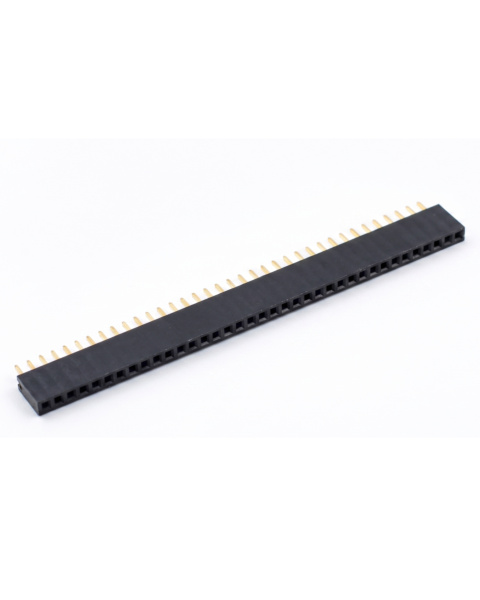
1 x 4-Pin Male Header Strip (Unsoldered)
1. What exactly does this module measure? The BME280 is a combined digital sensor that accurately measures ambient temperature, relative humidity, and barometric pressure.
2. Can it measure altitude? Yes. Because barometric pressure drops at a highly predictable rate as you go higher, microcontrollers can use the pressure data from this sensor to calculate altitude very accurately.
3. What is the difference between BME280 and BMP280? The BME280 measures temperature, pressure, and humidity. The older BMP280 only measures temperature and pressure. While the silkscreen on this board says "BME/BMP280" to indicate a shared PCB layout, this specific product contains the BME280 chip.
4. What communication protocol does it use? The module uses the I2C protocol to communicate with your microcontroller, specifically utilizing the SCL (clock) and SDA (data) pins.
5. What is the operating voltage? Because this module is the 5V version, it features an onboard voltage regulator on the back of the PCB, allowing you to safely supply 5V to the VIN pin.
6. Which pin do I connect to my power supply? Connect your positive power supply (like the 5V pin on an Arduino) to the pin labeled VIN.
7. Which pin is for ground? Connect your system ground to the pin labeled GND.
8. Do I need to solder the header pins? Yes, the included 4-pin male header strip arrives unsoldered in the package. You will need a soldering iron to attach it to the board.
9. What does the sensor chip look like? The BME280 chip is the small, rectangular, silver metallic package mounted on the front of the board, which features a tiny vent hole on top to sample the air.
10. Is this sensor waterproof? No. The sensor chip has an exposed vent hole to allow air in for humidity and pressure sensing. Exposure to liquid water will damage the sensor.
11. What is the text "GYBMEP" on the back? "GYBMEP" is printed on the back silkscreen and is the specific manufacturer/model identifier for this PCB layout.
12. How do I mount this to an enclosure? The PCB features a single, large mounting hole located in the corner opposite the header pins, allowing you to secure it with a small screw or standoff.
13. What color is the circuit board? The module is manufactured on a distinctive purple printed circuit board.
14. What are the components on the back of the board for? The back of the board hosts surface-mount support components, including capacitors, a voltage regulator, and pull-up resistors (like the one marked "103") necessary for stable 5V operation and I2C communication.
15. Do I need external pull-up resistors for I2C? Generally, no. The module includes integrated surface-mount pull-up resistors on the back of the board for the SDA and SCL lines.
16. What is the default I2C address? The default I2C address for BME280 modules is typically 0x76 or 0x77, depending on how the manufacturer wired the internal SDO pin. Running an I2C scanner sketch will confirm the address.
17. Can I use this with an ESP32 or Raspberry Pi? Yes, both of those platforms support I2C communication and can easily interface with this sensor.
18. What libraries should I use in the Arduino IDE? The "Adafruit BME280 Library" is highly recommended, widely used, and available directly in the Arduino Library Manager.
19. Why does my temperature reading seem slightly high? If placed in a tight enclosure, the BME280 can pick up slight ambient heat generated by the microcontroller or the onboard voltage regulator. Ensure good airflow for accurate readings.
20. How many total pins are on this module? The board breaks out a total of four connections: VIN, GND, SCL, and SDA.
| Operating Voltage: | 5 V |
|---|---|
| Measured Parameter: | Barometric Pressure |
| Interface Type: | I2C |
| Temp Sensor Type | Semiconductor based ICs |
| Temp Sensor Head (Mounting Type) | Board Mount Temperature Sensor ICs |
| Temp Sensor Interface | I2C |
Probots sells every Electronics Part for your next Project. You can order 10,000+ Electronic Parts Online - Arduino, Raspberry Pi, NodeMCU Development Boards, Sensors, Motors, Motor Drivers, SMPS, Plastic Enclosures etc in India directly on probots.co.in
We delivery electronics components and parts throughout India using standard couriers like Bluedart, Delhivery & India Post.
For order related queries contact -
This item is covered by a warranty of 7 days from the date of delivery, against confirmed manufacturing defects only, as verified by Probots' own testing and investigation. In case of a confirmed defect, we will replace the item — a refund is issued only if a replacement can't be supplied (e.g. discontinued or out of stock). Transit damage or a wrong item received must be reported within 3 days of delivery.
If the product shows signs of misuse, tampering, physical damage, static discharge, liquid or fire damage, use of unapproved chemicals, or has been soldered or physically altered in any way.
China
Probots sells every Electronics Part for your next Project. You can order 10,000+ Electronic Parts Online - Arduino, Raspberry Pi, NodeMCU Development Boards, Sensors, Motors, Motor Drivers, SMPS, Plastic Enclosures etc in India directly on probots.co.in
We offer specialized services for Bulk, Wholesale & B2B Customers like discounted prices, additional shipping options, customised products, etc . Customer with large quantity & regular orders qualify for the specialised discounted rates.
We also offer dedicated sales team to assist you with the order process by providing sales quotations, PI, technical support for choosing products, etc.
Note: Business Orders are processed manually and usually take 1-3 days to process compared to placing the order directly on our website. Please plan your purchases accordingly.
Need Help?
For bulk enquiries contact us by -

Probots Electronics is highly regarded for its highly skilled team and knowledgeable staff who provide expert guidance to ensure customers select the right components for their technical projects. The business maintains a strong reputation for prompt service and reliable support, with many clients praising their quick response times and genuine commitment to customer satisfaction.


A very great place for electronics Such a well maintained shop... Felt good shopping here


Nice

For new developments kit available and they will support till working, and I suggest this place strongly


This place has all the electronic parts students will ever need, staff is friendly and the place is organised.


It was a really nice experience! I was happy to find such a wide range of robotics kits for kids, suitable for different age groups and learning levels.

Excellent experience




Good stuff

Buyed them. But no bargain. Helpful staff.


Available all children school project spears parts like electronics


It was good experience




Staff is very patient and helpful

One of the best place for electronics you will get everything you want! With the best and orginal quality

Very helpful staff and the best place to buy components for projects

Wonderful store with expert service and technically strong people.

Prompt delivery, excellent technical support


Large inventory of electronic components and parts. Well trained service personnel and technicians who can quickly identify and rectify product defect if any. They are a reliable and trustworthy online stores.

A very great place for electronics Such a well maintained shop... Felt good shopping here
Nice
For new developments kit available and they will support till working, and I suggest this place strongly
This place has all the electronic parts students will ever need, staff is friendly and the place is organised.
It was a really nice experience! I was happy to find such a wide range of robotics kits for kids, suitable for different age groups and learning levels.
Excellent experience
Good stuff
Buyed them. But no bargain. Helpful staff.
Available all children school project spears parts like electronics
It was good experience
Staff is very patient and helpful
One of the best place for electronics you will get everything you want! With the best and orginal quality
Very helpful staff and the best place to buy components for projects
Wonderful store with expert service and technically strong people.
Prompt delivery, excellent technical support
Large inventory of electronic components and parts. Well trained service personnel and technicians who can quickly identify and rectify product defect if any. They are a reliable and trustworthy online stores.
● 20 min readVol. 56 | The Heavyweight DC Drivetrain Duel Reliability isn’t optional when you’re designing actuators that need to move actual steel or
Read Article → ● 13 min read
Workbench Vol. 49 🚀 The Project Trifecta: 3 Builds to Start Today We don’t just stock parts; we curate ecosystems. This week’s arrivals are desi
Read Article → ● 18 min read
Vol. 59 | The Battle of the Bite-Sized Boards Picture a project that needs full Linux, networking, and GPIO—but has almost no room for a conventional
Read Article →