










 ● 20 min read
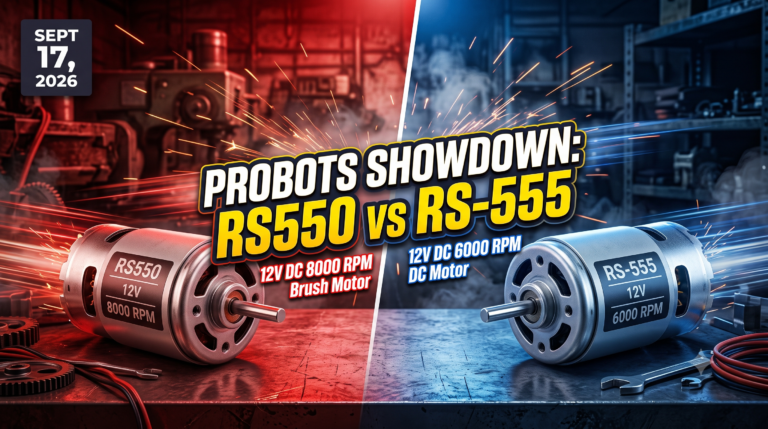
Showdown: RS550 12V DC 8000 vs RS-555 12V DC 6000 RPM DC Motor
Vol. 56 | The Heavyweight DC Drivetrain Duel Reliability isn’t optional when you’re designing actuators that need to move actual steel or
Read Article →
| Bulk Pricing | ||
|---|---|---|
| QTY | Unit Price(Inlc. GST) | |
| 50+ | ₹49.50 ₹ 41.95 + 7.55 GST | |
| 100+ | ₹49.00 ₹ 41.53 + 7.48 GST | |
| 150+ | ₹48.50 ₹ 41.1 + 7.4 GST | |
| 200+ | ₹48.00 ₹ 40.68 + 7.32 GST | |
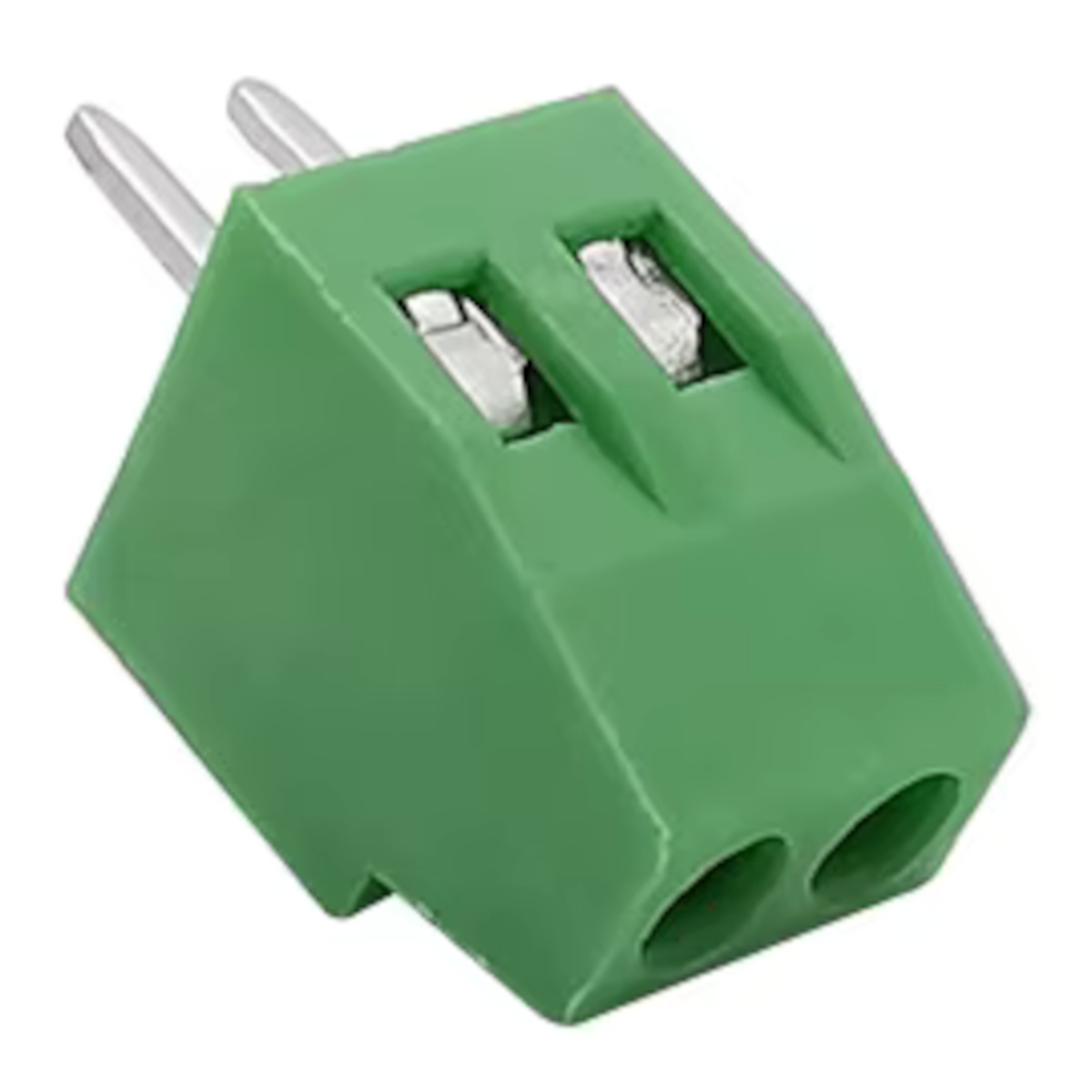
Secure your prototype wiring with this 5-pin PCB-mount screw terminal. Featuring a breadboard-compatible 2.54mm (0.1") pitch, it allows you to connect 26-18 AWG wires directly to your custom perfboards, Arduino shields, and sensor modules.
 2 Pin Fixed Screw Terminal Block Connector 2.54MM,Pitch ₹26.00
 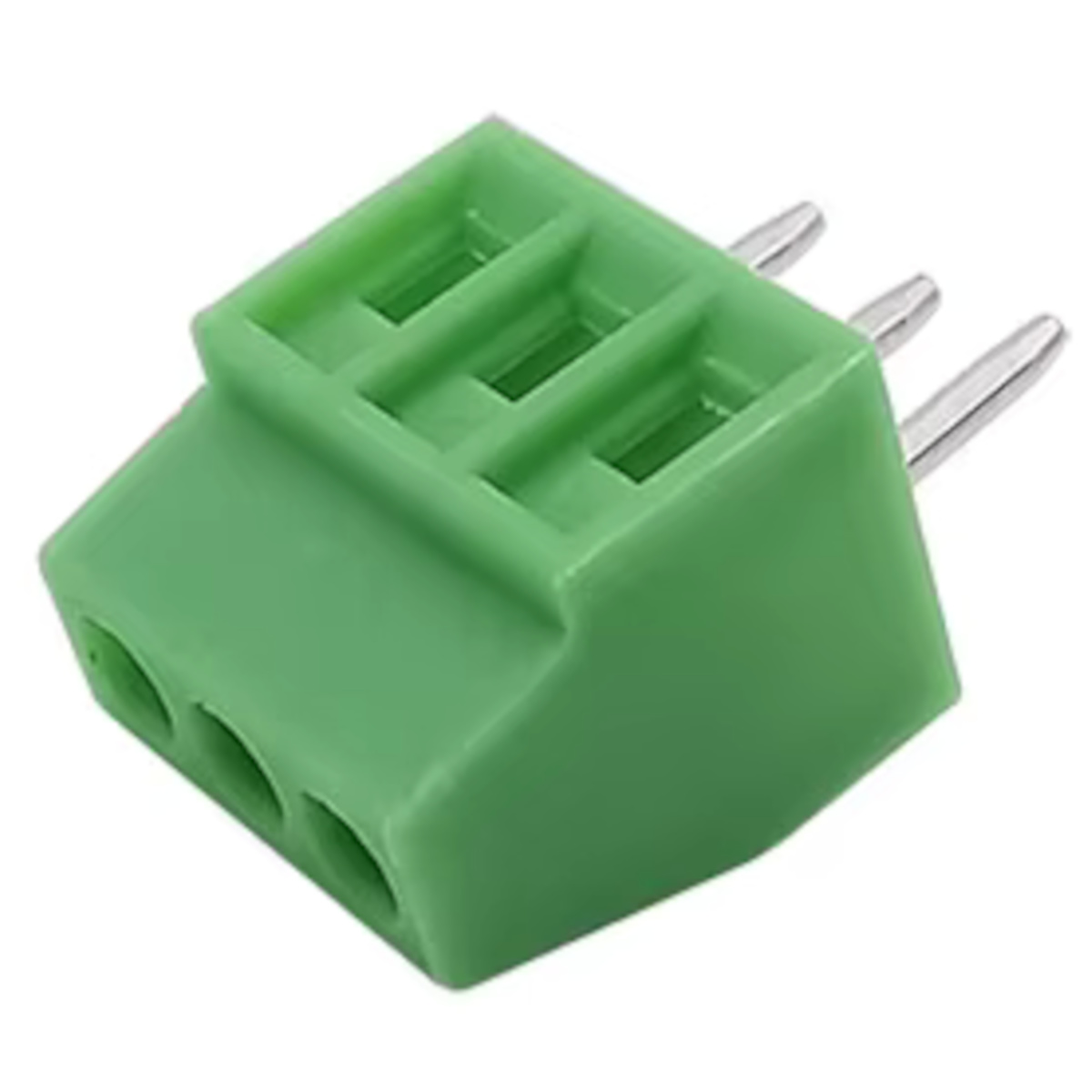 3 Pin Fixed Screw Terminal Block Connector 5.08MM ₹20.00
 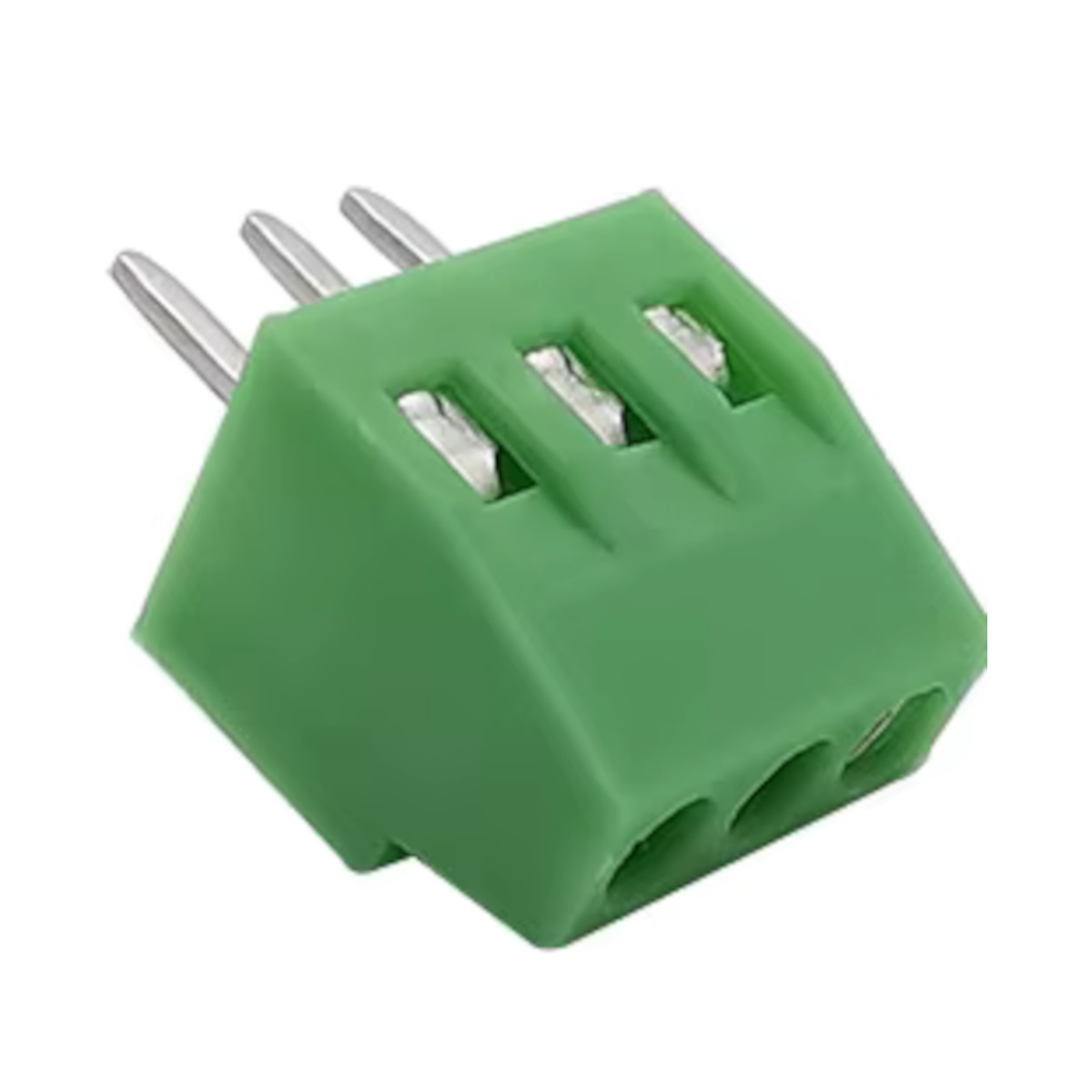 3 Pin Fixed Screw Terminal Block Connector 7.62MM ₹26.00
  6 Pin Fixed Screw Terminal Block Connector 2.54MM,Pitch ₹60.00
 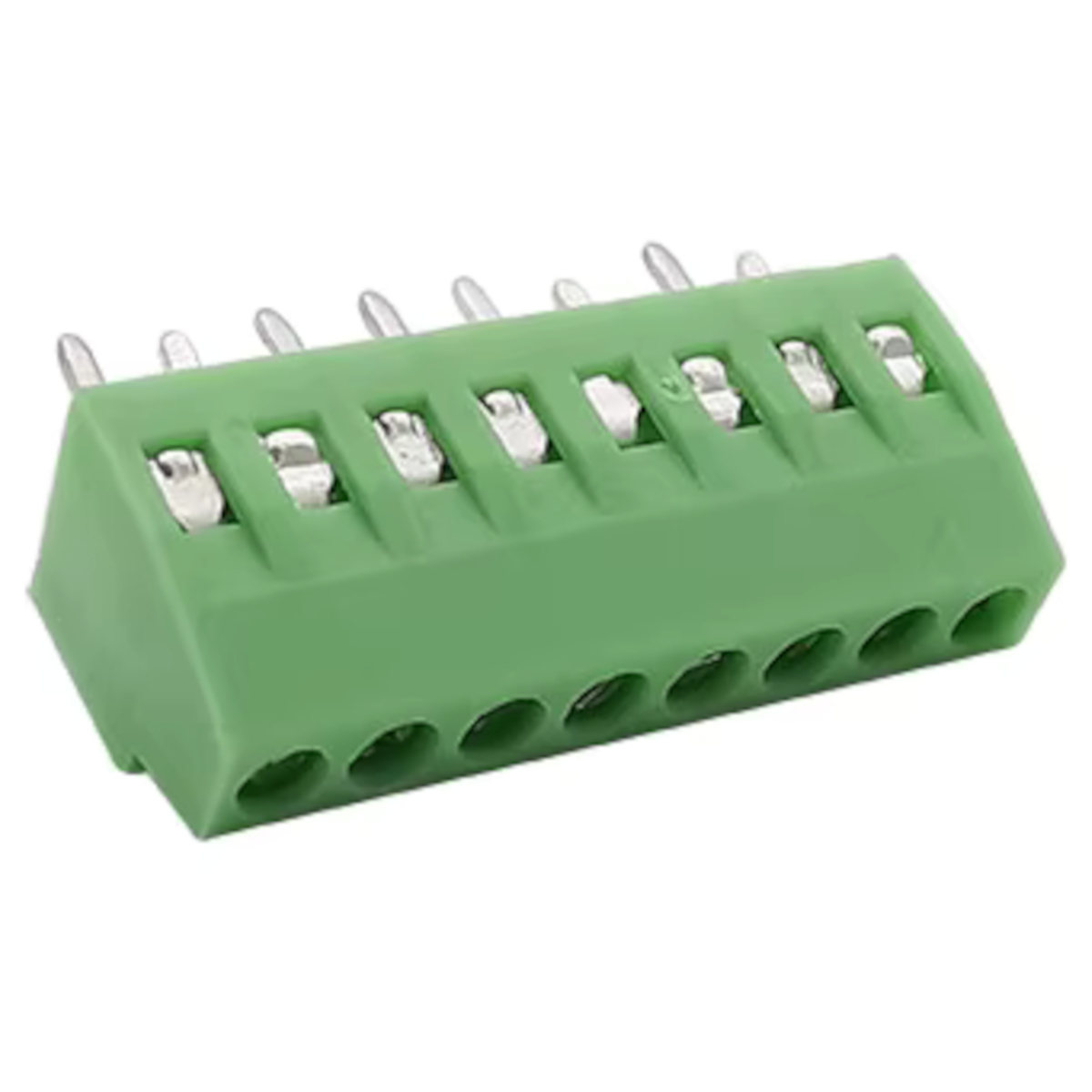 8 Pin Fixed Screw Terminal Block Connector 2.54MM,Pitch ₹80.00
 The 2.54mm Prototyping Advantage Standard industrial screw terminals usually feature a 5.08mm or 3.81mm pitch, which makes them incredibly frustrating to use on standard prototyping hardware. This 5-Pin block is specifically engineered with a 2.54mm (0.1") pitch. This means its legs align perfectly with standard breadboards, zero-PCBs, and dot-matrix perfboards. You no longer have to drill custom holes or bend pins to forcefully adapt heavy-duty connectors to your microcontroller projects.
Rugged Mechanical Wire Retention Stop relying on loose female header pins and easily dislodged dupont cables for critical connections. This terminal block uses a robust mechanical screw-clamp mechanism. When you insert a stripped wire and tighten the top-facing screw, an internal metal leaf/cage presses down firmly on the copper strands. This creates a high-pressure, gas-tight electrical connection that easily withstands mechanical vibration, thermal expansion, and accidental wire pulls.
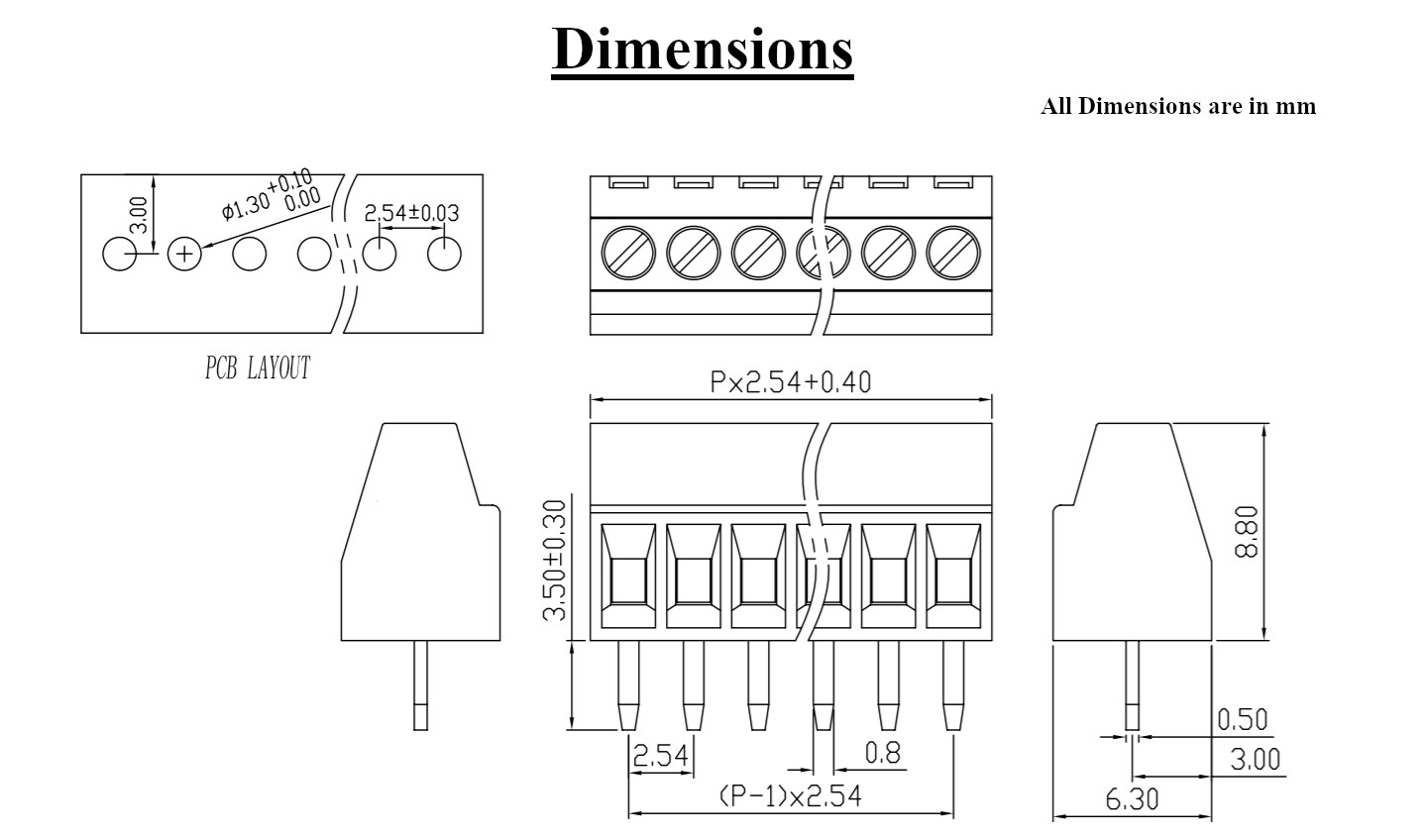
High-Density PCB Integration With a highly compact profile (only 6.3mm deep and 8.8mm tall), these fixed terminal blocks allow for high-density wiring on miniaturized boards. While they do not feature dovetail interlocking slots like larger 5.08mm variants, their completely flush flat sides allow you to solder multiple blocks directly next to one another to create 10-pin, 15-pin, or continuous connector rails on your PCB without wasting a single millimeter of board space.
Specifications
Pin Count: 5 Positions
Pitch Spacing: 2.54mm (0.1 inch)
Termination Style: Screw Clamp to PCB Through-Hole
Wire Gauge Compatibility: 26 AWG to 18 AWG
Rated Voltage: 150V AC/DC
Rated Current: 6A Maximum
Housing Material: Green Flame-retardant Polyamide (UL94V-0)
Pin Length: 3.50mm (Perfect for standard 1.6mm thick PCBs)
Recommended PCB Hole Diameter: 1.30mm
Overall Dimensions: ~13.1mm (W) x 8.8mm (H) x 6.3mm (D)
Key Applications and Projects
Custom Arduino/ESP32 Shields: Solder these to the edges of a blank prototype shield to easily wire up external limit switches, thermistors, and power rails.
Motor Driver Breakouts: Securely attach DC motors and stepper motor coils to custom H-Bridge controller boards.
Permanent Breadboard Replacements: Transition a messy, fragile breadboard circuit onto a soldered perfboard while retaining the ability to swap out external sensors.
Industrial Sensor Nodes: Provide reliable, screw-down data and power connections for long cable runs in IoT agricultural or factory monitors.
Unlock New Capabilities (Project Evolution) The Universal Environmental Hub: Are you tired of your weather station prototype falling apart because the dupont wires keep slipping off the headers? Evolve your build! Take a blank 7x9cm copper perfboard and transfer your ESP8266 or Arduino Nano onto it. Surround the microcontroller with these 5-Pin 2.54mm terminal blocks. You can dedicate one block entirely to I2C communication (VCC, GND, SCL, SDA, INT), another to SPI, and another to Analog inputs. Now, you can run long, thick twisted-pair cables out to your anemometers, soil moisture probes, and solar panels, screwing them down permanently. Your fragile prototype is now a deployable, field-ready instrument!
Package Includes:
Q: What exactly does 2.54mm pitch mean? The "pitch" is the exact distance between the center of one metal pin and the center of the next pin. 2.54mm (which is exactly 0.1 inches) is the universal standard spacing for breadboards, perfboards, and Arduino header pins.
Q: Will this fit directly into a standard solderless breadboard? Yes. Because the pins are spaced at 2.54mm, it will align with the holes on a breadboard. However, the square solder pins are slightly thicker than typical jumper wires, so inserting them may require a bit of force and could slightly stretch the internal breadboard clips. They are highly recommended for soldered perfboards.
Q: What size wire can I use with this terminal block? It is designed to comfortably accept wires ranging from 26 AWG (very thin) up to 18 AWG (thick).
Q: Do I need to solder this component? Yes. The bottom pins are designed for "Through-Hole Technology" (THT) and must be soldered to a printed circuit board (PCB) or perfboard to establish an electrical connection and structural rigidity.
Q: What is the maximum voltage and current it can handle? Due to its compact 2.54mm spacing, it is typically rated for a maximum of 150V and 6 Amps per pin. Do not use these for high-voltage mains AC applications (110V/220V) as the creepage distance between the pins is too small.
Q: Are these terminal blocks interlocking? No. These are "fixed" terminal blocks, meaning they are a solid 5-pin mold and do not have dovetail sliding locks to attach to other blocks. However, their sides are perfectly flat, allowing you to mount two blocks directly side-by-side on a PCB seamlessly.
Q: Can I plug a male header connector into the top of this? No, this is a direct-wire connector. You must strip the insulation off the end of a wire, insert the bare copper into the top slot, and tighten the screw to clamp it.
Q: What type of screwdriver is required? You will need a precision screwdriver. A small flathead (approx. 2.0mm to 2.5mm wide) or a precision Phillips (#0 or #00) works best.
Q: Can I use stranded wire? Yes, stranded wire works perfectly. However, for the most reliable connection that won't fray over time, it is highly recommended to crimp a "wire ferrule" onto the end of the stranded wire, or lightly tin the exposed copper with solder before inserting it into the block.
Q: Can I use solid core wire? Yes. Solid core wire slides in easily and clamps down exceptionally well without fraying.
Q: How long are the solder legs? According to the technical blueprint, the solder legs are 3.50mm long. This provides plenty of clearance to pass through standard 1.6mm thick PCBs and leave enough exposed metal for a strong solder joint.
Q: Does the internal screw crush or cut the wire? No. These terminal blocks feature an internal leaf spring or wire protector mechanism. As you turn the screw, it presses a flat piece of metal down onto the wire, ensuring it grips firmly without shearing the delicate copper strands.
Q: How do I remove a wire once it is clamped? Simply use your precision screwdriver to turn the top screw counter-clockwise. This will raise the internal clamp, allowing you to pull the wire out effortlessly.
Q: What is the recommended drill hole size for my custom PCB? The blueprint specifies a recommended PCB hole diameter of 1.30mm (+0.10mm tolerance) to accommodate the rectangular pins.
Q: Is the green plastic heat resistant? Yes, the housing is made from a flame-retardant polyamide (typically UL94V-0 rated). It easily withstands standard manual soldering iron temperatures and automated wave-soldering processes without melting.
Q: Why should I use this instead of standard female header pins? Female headers are great for temporary plugging and unplugging, but dupont wires easily vibrate loose or fall out if pulled. Screw terminal blocks provide a semi-permanent, high-friction mechanical grip on the wire, making them mandatory for projects involving motors, movement, or field deployment.
Q: Can I cut this 5-pin block to make a 3-pin block? It is highly discouraged. Cutting the hard plastic housing will likely destroy the structural integrity of the adjacent pins and expose internal metal contacts. It is better to purchase dedicated 2-pin or 3-pin versions.
Q: How much wire insulation should I strip off before inserting? You should strip approximately 5mm to 6mm of insulation off the tip of your wire. If you strip too little, the screw will clamp onto the plastic insulation (causing a bad connection). If you strip too much, bare copper will remain exposed outside the block, posing a short-circuit risk.
Q: Can I use this for audio signals? Yes. Because it provides a solid, high-pressure metal-to-metal contact, it is perfectly fine for routing low-level analog signals, including audio, without introducing noticeable resistance.
Q: Is it safe to use outdoors? The terminal block itself is not waterproof or IP-rated. If used outdoors, the entire PCB and terminal block assembly must be housed inside a properly sealed, waterproof enclosure to prevent corrosion on the bare metal screws and contacts.
Probots sells every Electronics Part for your next Project. You can order 10,000+ Electronic Parts Online - Arduino, Raspberry Pi, NodeMCU Development Boards, Sensors, Motors, Motor Drivers, SMPS, Plastic Enclosures etc in India directly on probots.co.in
We delivery electronics components and parts throughout India using standard couriers like Bluedart, Delhivery & India Post.
For order related queries contact -
This item is covered by a warranty of 7 days from the date of delivery, against confirmed manufacturing defects only, as verified by Probots' own testing and investigation. In case of a confirmed defect, we will replace the item — a refund is issued only if a replacement can't be supplied (e.g. discontinued or out of stock). Transit damage or a wrong item received must be reported within 3 days of delivery.
If the product shows signs of misuse, tampering, physical damage, static discharge, liquid or fire damage, use of unapproved chemicals, or has been soldered or physically altered in any way.
China
Probots sells every Electronics Part for your next Project. You can order 10,000+ Electronic Parts Online - Arduino, Raspberry Pi, NodeMCU Development Boards, Sensors, Motors, Motor Drivers, SMPS, Plastic Enclosures etc in India directly on probots.co.in
We offer specialized services for Bulk, Wholesale & B2B Customers like discounted prices, additional shipping options, customised products, etc . Customer with large quantity & regular orders qualify for the specialised discounted rates.
We also offer dedicated sales team to assist you with the order process by providing sales quotations, PI, technical support for choosing products, etc.
Note: Business Orders are processed manually and usually take 1-3 days to process compared to placing the order directly on our website. Please plan your purchases accordingly.
Need Help?
For bulk enquiries contact us by -
Probots Electronics is highly regarded for its highly skilled team and knowledgeable staff who provide expert guidance to ensure customers select the right components for their technical projects. The business maintains a strong reputation for prompt service and reliable support, with many clients praising their quick response times and genuine commitment to customer satisfaction.


A very great place for electronics Such a well maintained shop... Felt good shopping here


Nice

For new developments kit available and they will support till working, and I suggest this place strongly


This place has all the electronic parts students will ever need, staff is friendly and the place is organised.


It was a really nice experience! I was happy to find such a wide range of robotics kits for kids, suitable for different age groups and learning levels.

Excellent experience




Good stuff

Buyed them. But no bargain. Helpful staff.


Available all children school project spears parts like electronics


It was good experience




Staff is very patient and helpful

One of the best place for electronics you will get everything you want! With the best and orginal quality

Very helpful staff and the best place to buy components for projects

Wonderful store with expert service and technically strong people.

Prompt delivery, excellent technical support


Large inventory of electronic components and parts. Well trained service personnel and technicians who can quickly identify and rectify product defect if any. They are a reliable and trustworthy online stores.

A very great place for electronics Such a well maintained shop... Felt good shopping here
Nice
For new developments kit available and they will support till working, and I suggest this place strongly
This place has all the electronic parts students will ever need, staff is friendly and the place is organised.
It was a really nice experience! I was happy to find such a wide range of robotics kits for kids, suitable for different age groups and learning levels.
Excellent experience
Good stuff
Buyed them. But no bargain. Helpful staff.
Available all children school project spears parts like electronics
It was good experience
Staff is very patient and helpful
One of the best place for electronics you will get everything you want! With the best and orginal quality
Very helpful staff and the best place to buy components for projects
Wonderful store with expert service and technically strong people.
Prompt delivery, excellent technical support
Large inventory of electronic components and parts. Well trained service personnel and technicians who can quickly identify and rectify product defect if any. They are a reliable and trustworthy online stores.
● 20 min readVol. 56 | The Heavyweight DC Drivetrain Duel Reliability isn’t optional when you’re designing actuators that need to move actual steel or
Read Article → ● 13 min read
Workbench Vol. 49 🚀 The Project Trifecta: 3 Builds to Start Today We don’t just stock parts; we curate ecosystems. This week’s arrivals are desi
Read Article →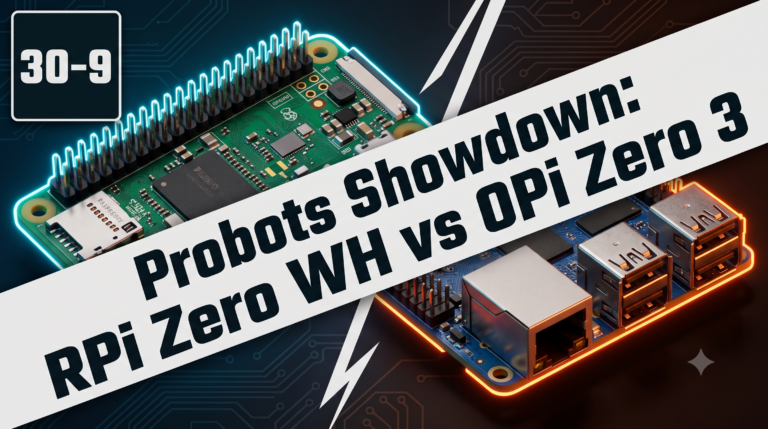 ● 18 min read
Vol. 59 | The Battle of the Bite-Sized Boards Picture a project that needs full Linux, networking, and GPIO—but has almost no room for a conventional
Read Article →