















 ● 20 min read
Showdown: RS550 12V DC 8000 vs RS-555 12V DC 6000 RPM DC Motor
Vol. 56 | The Heavyweight DC Drivetrain Duel Reliability isn’t optional when you’re designing actuators that need to move actual steel or
Read Article →
| Bulk Pricing | ||
|---|---|---|
| QTY | Unit Price(Inlc. GST) | |
| 50+ | ₹17.64 ₹ 14.95 + 2.69 GST | |
| 100+ | ₹17.46 ₹ 14.8 + 2.66 GST | |
| 150+ | ₹17.28 ₹ 14.64 + 2.64 GST | |
| 200+ | ₹16.92 ₹ 14.34 + 2.58 GST | |
Accurately measure temperature with the MF52-103 NTC Thermistor. Features an industry-standard 10K Ohm base resistance at 25°C, a 5% tolerance, and a durable epoxy coating. Perfect for Arduino weather stations and 3D printer beds.
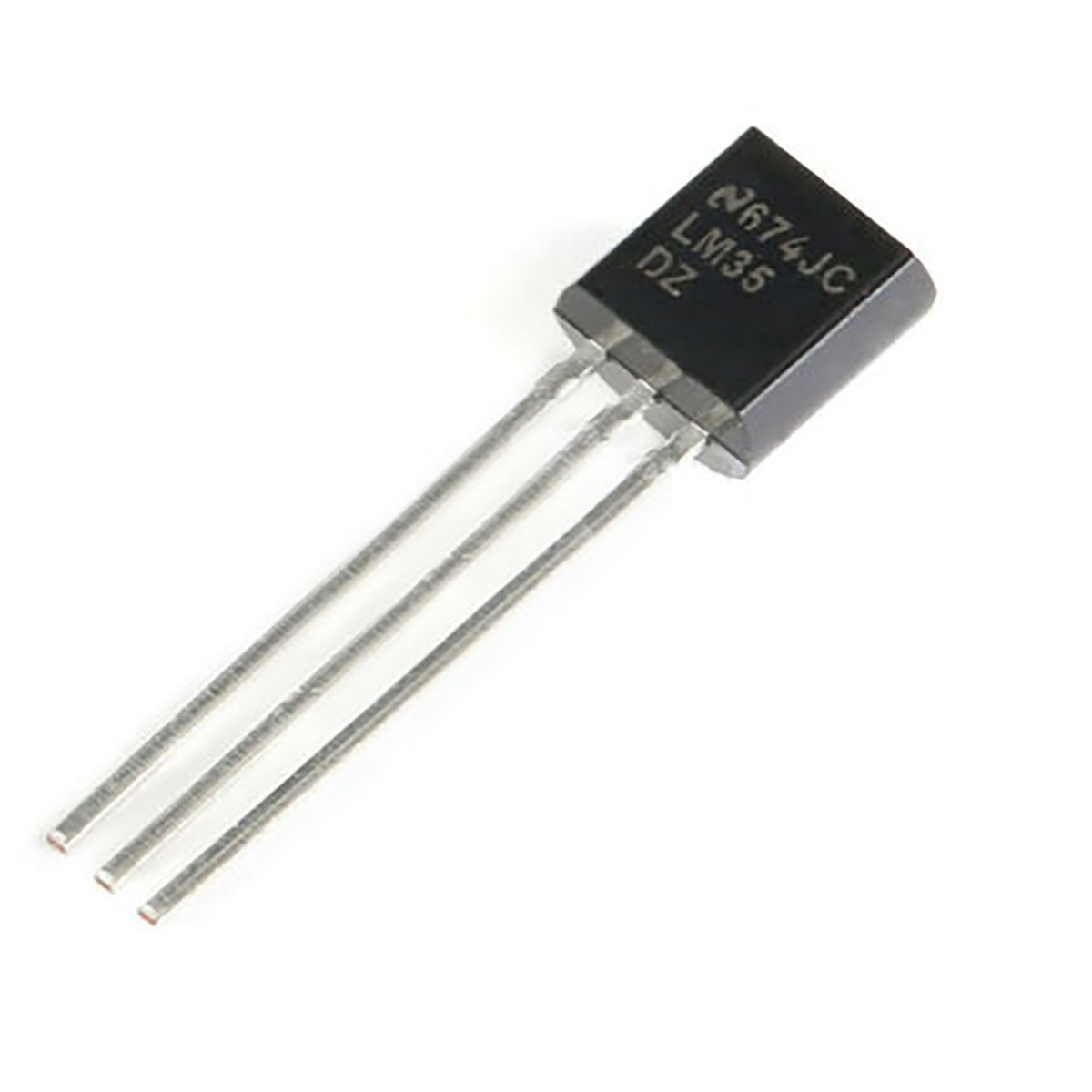 LM35 Temperature Sensor with Analog Output ₹85.00
 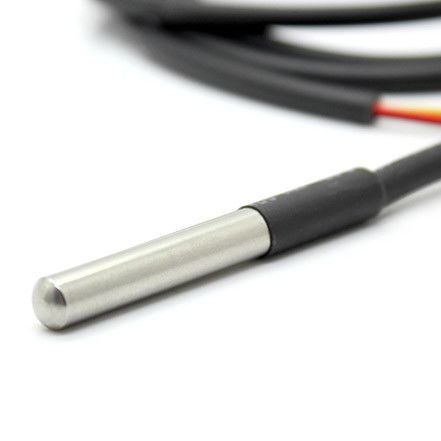 DS18B20 Waterproof Temperature Sensor for Arduino Raspberry Pi ₹49.00
 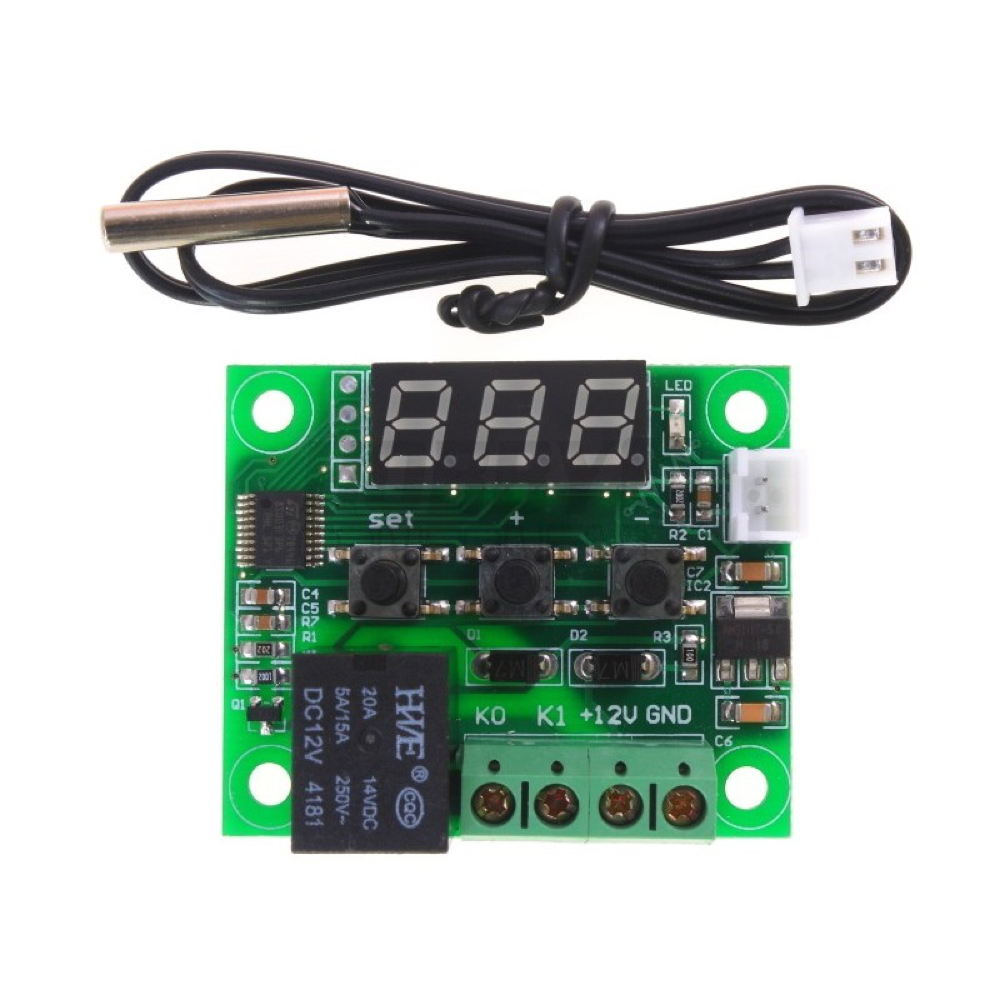 Temperature Control Switch Relay W1209 Thermostat Board Module ₹199.00
  DS18B20 Temperature Sensor IC for Arduino Raspberry Pi ₹116.00
 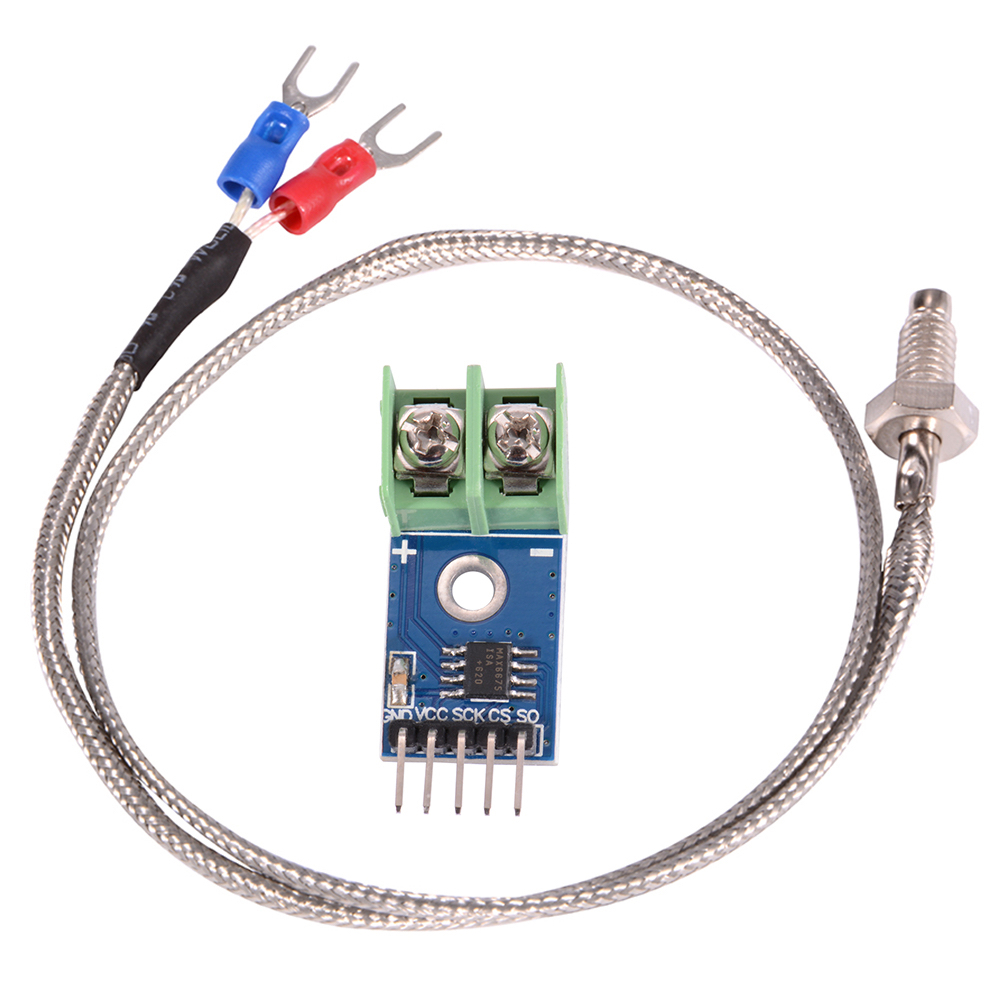 K Type Thermocouple Temperature Sensor with MAX6675 Module ₹389.00
 How NTC Thermistors Work A thermistor is essentially a resistor that changes its resistance value based on the surrounding temperature. This specific model is an NTC (Negative Temperature Coefficient) thermistor. "Negative" means that as the physical temperature increases, the electrical resistance decreases. The "10K" rating means that at exactly 25°C (room temperature), it will measure 10,000 Ohms. By setting this up in a simple voltage divider circuit with a standard 10K resistor, your Arduino can read the fluctuating voltage and use the Steinhart-Hart equation to calculate the exact temperature.
Durable "Pearl" Epoxy Coating The delicate sensing material inside the component is encapsulated in a drop of hardened, black phenolic epoxy resin. This "pearl-shape" coating protects the sensor from moisture and mild physical damage while remaining thin enough to provide an incredibly fast thermal response time. The two long, tinned leads can be easily bent, soldered to wires, or pushed directly into a solderless breadboard for quick prototyping.
Standard 3435 B-Value The "3435" in the title refers to the thermistor's Beta (B) value. This is a material constant that dictates exactly how steep the resistance curve is as the temperature changes. Because B3435 is an industry standard, almost all microcontroller temperature libraries and 3D printer firmware (like Marlin or Klipper) have built-in profiles for this exact sensor, making software integration practically plug-and-play.
Model: MF52-103 / 3435
Type: NTC (Negative Temperature Coefficient)
Nominal Resistance (at 25°C): 10K Ohms (10,000Ω)
Resistance Tolerance: ± 5%
B-Constant (B25/50): 3435K
Operating Temperature Range: -55°C to +125°C
Coating: Black Epoxy Resin
Digital Weather Stations: Wiring the thermistor to an ESP32 to track outdoor ambient temperature and display it on an OLED screen or web dashboard.
3D Printer Hotbeds: Taping the sensor to the underside of a heated aluminum build plate to provide precise temperature feedback to the motherboard.
Automated PC Fan Controllers: Reading the temperature inside a computer case and using an Arduino to automatically increase the speed of PWM cooling fans as the case gets hotter.
Unlock New Capabilities (Project Evolution)
The Smart Automated Fermentation Chamber: Brewing kombucha, beer, or making yogurt requires strict temperature control. Evolve your setup! Use a long wire to extend this 10K thermistor and waterproof the tip with heat shrink tubing and hot glue. Drop it into your fermentation vessel. Connect it to an Arduino that controls a heating pad via a relay. Write a simple sketch to turn the heater on if the temperature drops below 75°F, and off when it hits 80°F. You now have a flawless, automated climate control system for perfect brewing every time!
1 x 10K 5% NTC Thermistor (MF52-103)
What does "NTC" stand for? NTC stands for Negative Temperature Coefficient. It means the electrical resistance goes down as the temperature goes up.
What does "10K" mean? It means the base resistance of the sensor is exactly 10,000 Ohms when the ambient temperature is 25°C (77°F).
Is this a digital or analog sensor? It is a purely analog sensor. It does not send digital data; it simply changes its physical resistance. You must use an Analog-to-Digital Converter (ADC) pin on your microcontroller to read it.
Does polarity matter? (+ and -) No. Like a standard resistor, a thermistor has no polarity. You can hook it up in either direction in your circuit.
How do I wire this to an Arduino? You cannot connect it directly to an analog pin. You must create a "Voltage Divider" circuit by connecting one leg of the thermistor to 5V, the other leg to an Analog pin (like A0), and then running a standard 10K resistor from that same Analog pin to Ground.
What is the maximum temperature it can read? The standard epoxy-coated MF52 thermistor is rated for temperatures up to 125°C (257°F).
Can I use this for my 3D printer's hotend? No. A 3D printer hotend routinely reaches 200°C to 250°C. The black epoxy coating on this sensor will burn and melt. You must use a glass-bead thermistor for hotends. This sensor is only safe for heated beds or ambient air.
Is it waterproof? The black epoxy head is moisture-resistant, but the bare metal legs will short out if submerged in water. If you want to drop it in liquid, you must cover the legs tightly with heat shrink tubing and marine-grade sealant.
What does the "5%" tolerance mean? It means the actual resistance at 25°C might vary by up to 5% from exactly 10,000 Ohms (between 9,500 and 10,500 Ohms). This translates to a slight temperature reading variance of a degree or two out of the box.
How do I make the reading more accurate? You can calibrate it! Dip the waterproofed sensor in ice water (0°C) and then boiling water (100°C), and adjust the math in your Arduino code to compensate for the 5% manufacturing tolerance.
What is the "3435" number? That is the B-Value (Beta Constant). It is a number used in the Steinhart-Hart equation within your code to accurately calculate the temperature curve.
Can I extend the wires? Yes, you can solder much longer wires to the two metal legs. Because 10,000 Ohms is a relatively high resistance, adding a few feet of copper wire will not noticeably affect the temperature reading.
Why is my Arduino reading fluctuating wildly? This usually happens if your voltage divider is set up incorrectly, if you used a resistor other than 10K, or if your wires are loose in the breadboard.
Can I use this with a Raspberry Pi? The Raspberry Pi does not have built-in Analog (ADC) pins. To read this analog thermistor on a Pi, you must add an external ADC chip (like an MCP3008) via I2C or SPI.
How fast does it react to temperature changes? Because the black epoxy "pearl" is so tiny, it has a very low thermal mass. It reacts to temperature changes in just a few seconds.
Can I attach this directly to a metal surface? Yes, you can tape it to a metal surface using Kapton tape. For the most accurate reading, put a tiny dab of thermal paste between the black sensor head and the metal surface.
What happens if I accidentally send 5V directly through it without a resistor? If you connect one leg directly to 5V and the other directly to Ground, it will create a short circuit as the temperature rises, rapidly overheating and permanently destroying the sensor. Always use a voltage divider.
Is this a PT100 sensor? No, a PT100 is an RTD (Resistance Temperature Detector) made of platinum, which is much more expensive and requires a complex amplifier board. This is a simple NTC thermistor.
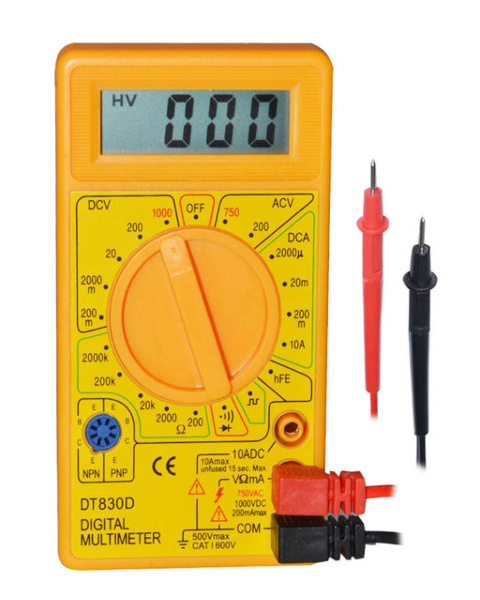
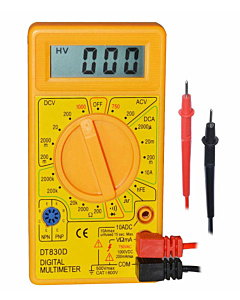
How do I test if it's broken? Set a multimeter to the Resistance (Ohms / Ω) setting, specifically the 20K range. Touch the probes to the two metal legs. At room temperature, it should read roughly 10.00. Pinch the black head between your warm fingers, and the number should rapidly drop.
Can I cut the metal legs shorter? Yes, you can snip the metal legs to whatever length fits your project, just be sure to leave enough room to solder or crimp your connections.
| Temp Sensor Type | Themistor / RTD |
|---|---|
| Temp Sensor Head (Mounting Type) | Board Mount Temperature Sensor ICs |
| Temp Sensor Interface | 2-Wire |
Probots sells every Electronics Part for your next Project. You can order 10,000+ Electronic Parts Online - Arduino, Raspberry Pi, NodeMCU Development Boards, Sensors, Motors, Motor Drivers, SMPS, Plastic Enclosures etc in India directly on probots.co.in
We delivery electronics components and parts throughout India using standard couriers like Bluedart, Delhivery & India Post.
For order related queries contact -
This item is covered by a warranty of 7 days from the date of delivery, against confirmed manufacturing defects only, as verified by Probots' own testing and investigation. In case of a confirmed defect, we will replace the item — a refund is issued only if a replacement can't be supplied (e.g. discontinued or out of stock). Transit damage or a wrong item received must be reported within 3 days of delivery.
If the product shows signs of misuse, tampering, physical damage, static discharge, liquid or fire damage, use of unapproved chemicals, or has been soldered or physically altered in any way.
China
Probots sells every Electronics Part for your next Project. You can order 10,000+ Electronic Parts Online - Arduino, Raspberry Pi, NodeMCU Development Boards, Sensors, Motors, Motor Drivers, SMPS, Plastic Enclosures etc in India directly on probots.co.in
We offer specialized services for Bulk, Wholesale & B2B Customers like discounted prices, additional shipping options, customised products, etc . Customer with large quantity & regular orders qualify for the specialised discounted rates.
We also offer dedicated sales team to assist you with the order process by providing sales quotations, PI, technical support for choosing products, etc.
Note: Business Orders are processed manually and usually take 1-3 days to process compared to placing the order directly on our website. Please plan your purchases accordingly.
Need Help?
For bulk enquiries contact us by -


Probots Electronics is highly regarded for its highly skilled team and knowledgeable staff who provide expert guidance to ensure customers select the right components for their technical projects. The business maintains a strong reputation for prompt service and reliable support, with many clients praising their quick response times and genuine commitment to customer satisfaction.


A very great place for electronics Such a well maintained shop... Felt good shopping here


Nice

For new developments kit available and they will support till working, and I suggest this place strongly


This place has all the electronic parts students will ever need, staff is friendly and the place is organised.


It was a really nice experience! I was happy to find such a wide range of robotics kits for kids, suitable for different age groups and learning levels.

Excellent experience




Good stuff

Buyed them. But no bargain. Helpful staff.


Available all children school project spears parts like electronics


It was good experience




Staff is very patient and helpful

One of the best place for electronics you will get everything you want! With the best and orginal quality

Very helpful staff and the best place to buy components for projects

Wonderful store with expert service and technically strong people.

Prompt delivery, excellent technical support


Large inventory of electronic components and parts. Well trained service personnel and technicians who can quickly identify and rectify product defect if any. They are a reliable and trustworthy online stores.

A very great place for electronics Such a well maintained shop... Felt good shopping here
Nice
For new developments kit available and they will support till working, and I suggest this place strongly
This place has all the electronic parts students will ever need, staff is friendly and the place is organised.
It was a really nice experience! I was happy to find such a wide range of robotics kits for kids, suitable for different age groups and learning levels.
Excellent experience
Good stuff
Buyed them. But no bargain. Helpful staff.
Available all children school project spears parts like electronics
It was good experience
Staff is very patient and helpful
One of the best place for electronics you will get everything you want! With the best and orginal quality
Very helpful staff and the best place to buy components for projects
Wonderful store with expert service and technically strong people.
Prompt delivery, excellent technical support
Large inventory of electronic components and parts. Well trained service personnel and technicians who can quickly identify and rectify product defect if any. They are a reliable and trustworthy online stores.
● 20 min readVol. 56 | The Heavyweight DC Drivetrain Duel Reliability isn’t optional when you’re designing actuators that need to move actual steel or
Read Article → ● 13 min read
Workbench Vol. 49 🚀 The Project Trifecta: 3 Builds to Start Today We don’t just stock parts; we curate ecosystems. This week’s arrivals are desi
Read Article → ● 18 min read
Vol. 59 | The Battle of the Bite-Sized Boards Picture a project that needs full Linux, networking, and GPIO—but has almost no room for a conventional
Read Article →