
























 ● 20 min read
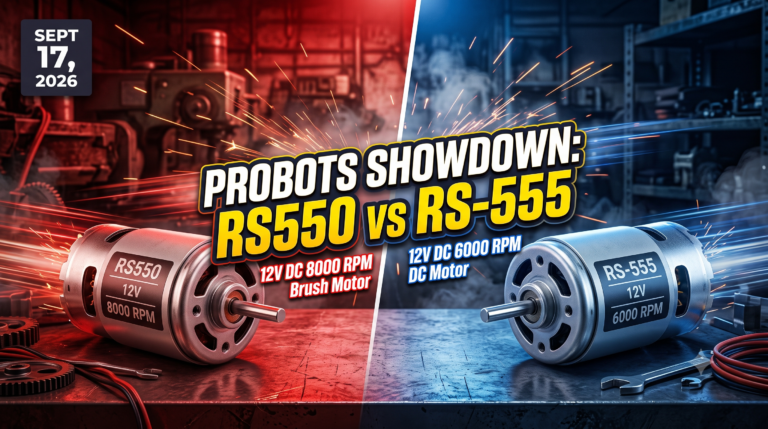
Showdown: RS550 12V DC 8000 vs RS-555 12V DC 6000 RPM DC Motor
Vol. 56 | The Heavyweight DC Drivetrain Duel Reliability isn’t optional when you’re designing actuators that need to move actual steel or
Read Article →
| Bulk Pricing | ||
|---|---|---|
| QTY | Unit Price(Inlc. GST) | |
| 5+ | ₹1,135.82 ₹ 962.56 + 173.26 GST | |
| 10+ | ₹1,124.23 ₹ 952.74 + 171.49 GST | |
| 15+ | ₹1,112.64 ₹ 942.92 + 169.73 GST | |
| 20+ | ₹1,089.46 ₹ 923.27 + 166.19 GST | |
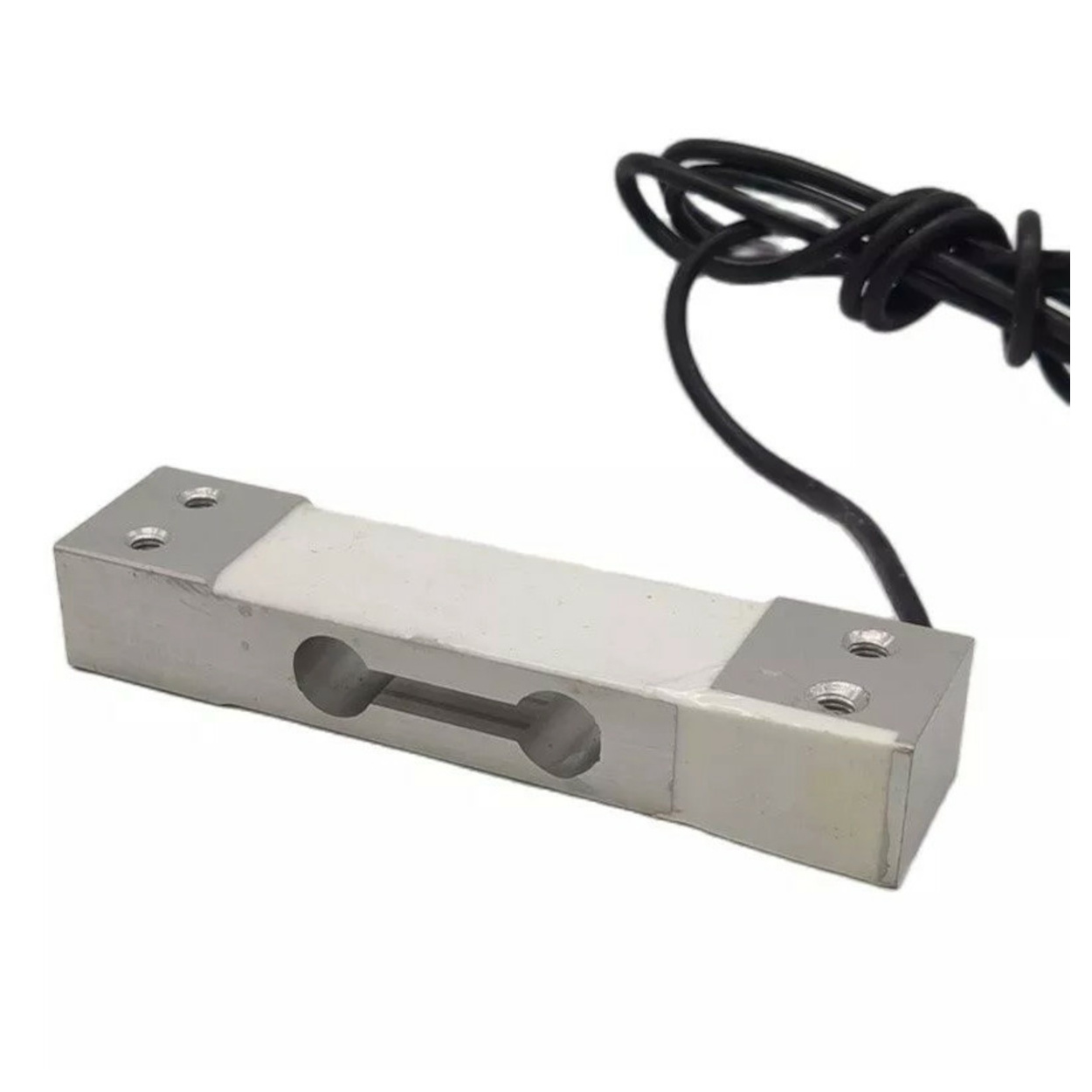
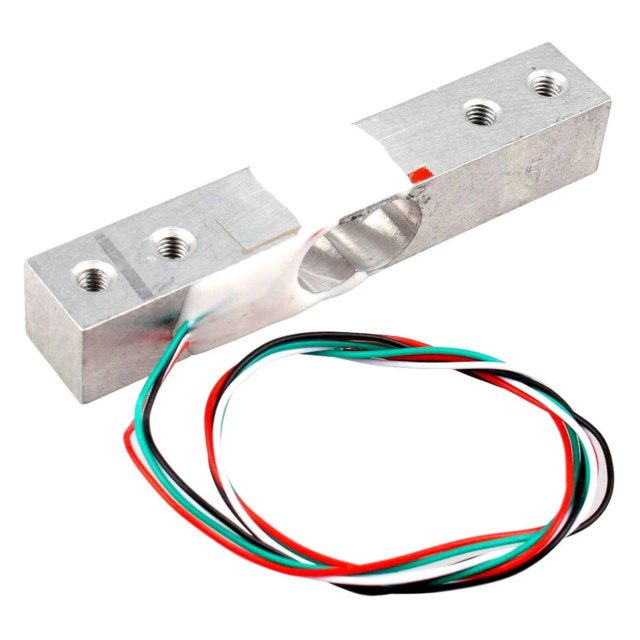
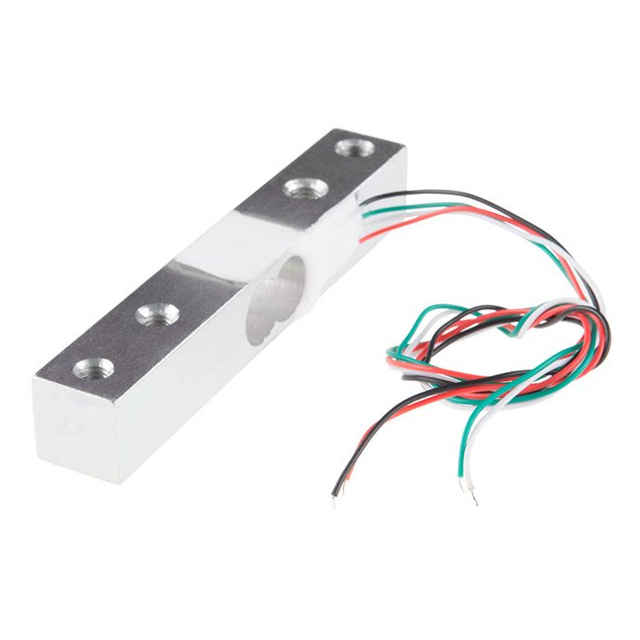
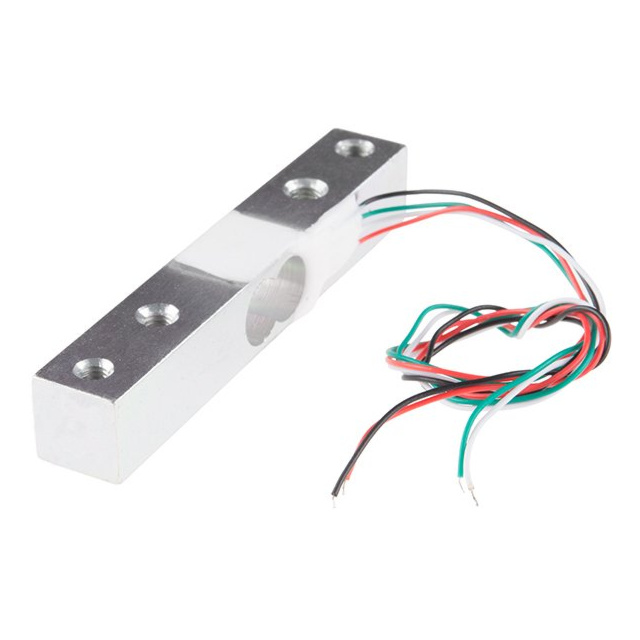
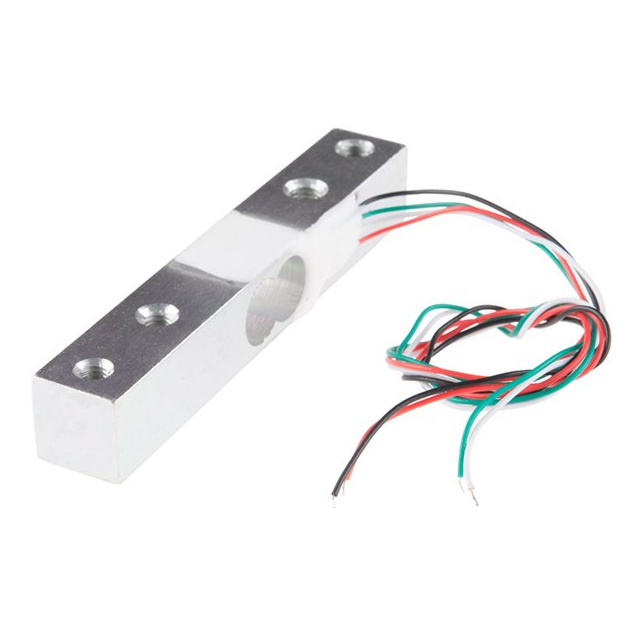
High-precision 3 kg parallel beam load cell made of aluminium alloy. Features a standard 4-wire interface and pre-tapped mounting holes, perfect for DIY electronic scales and Arduino projects.
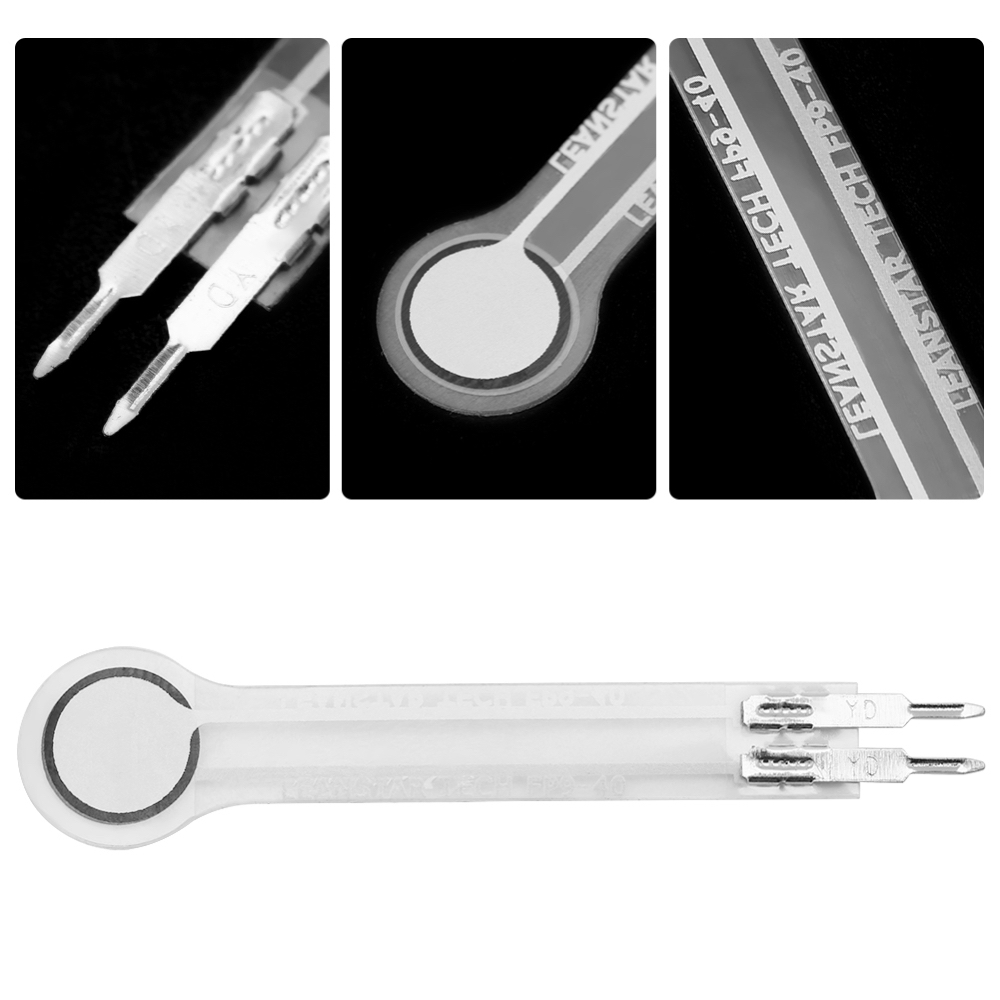 0-500gm Force & Pressure Sensor Flexible Precision Thin Film ₹599.00 0-2kg Force & Pressure Sensor Flexible Precision Thin Film ₹599.00 0-10kg Force & Pressure Sensor Flexible Precision Thin Film ₹599.00 0-5kg Force & Pressure Sensor Flexible Precision Thin Film ₹599.00
 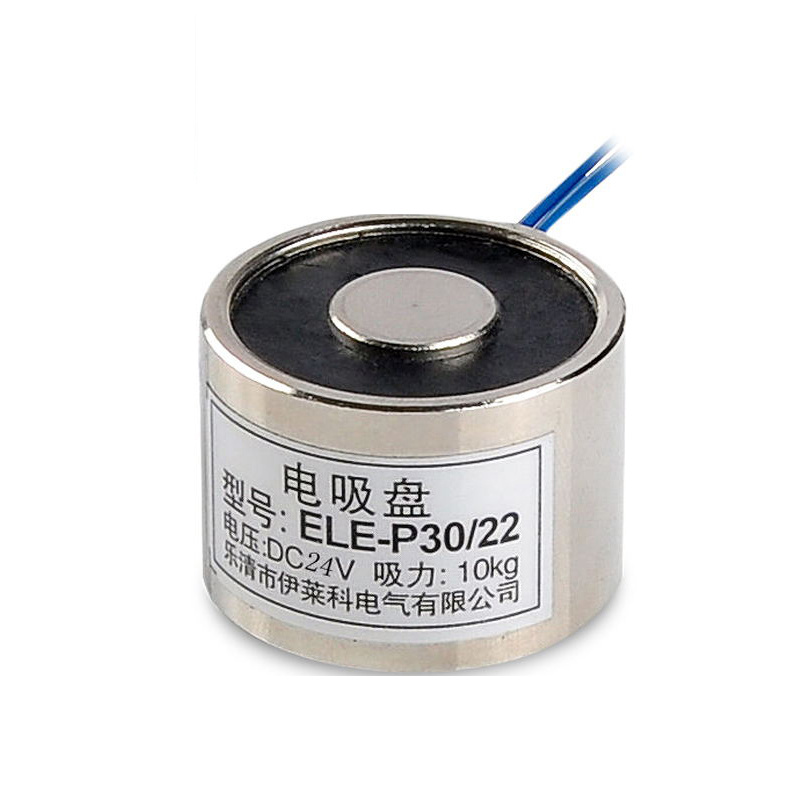 12V Electromagnet with 10 kg Lifiting Force 100N Electric Magnet ₹1,060.00
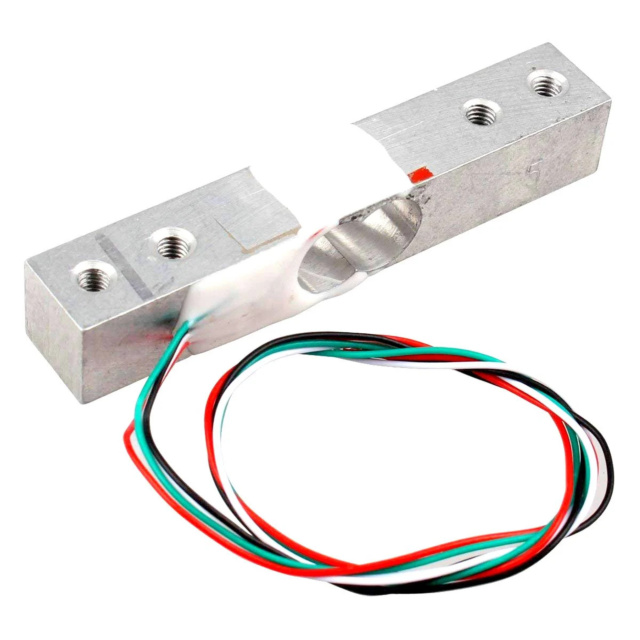
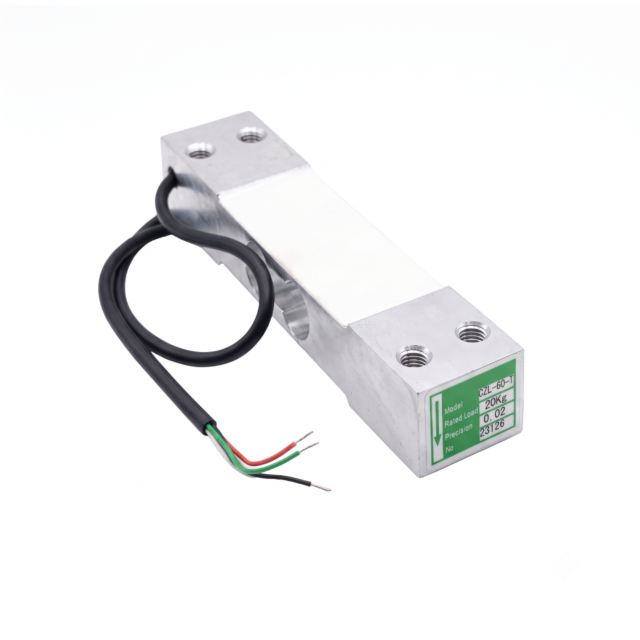
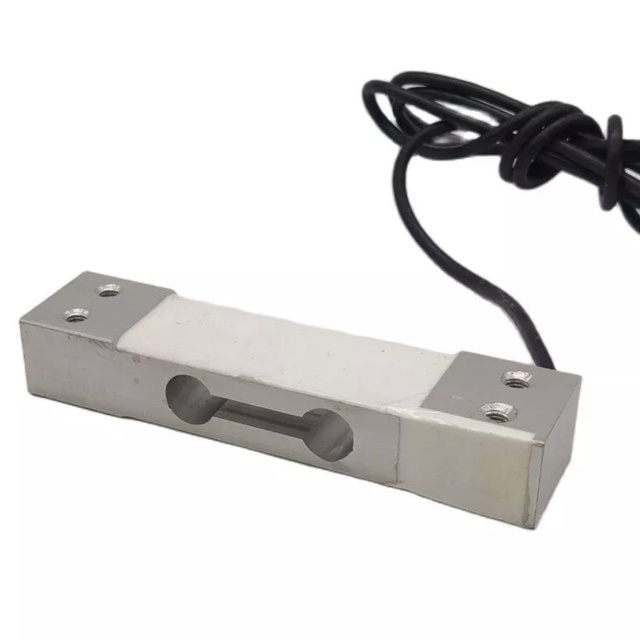
 Laboratory-grade weight measurement for your DIY projects. The CZL-601 3 kg Load Cell is a parallel beam sensor that relies on precision strain gauges to measure exactly how much the aluminium bar bends under a load. With a maximum capacity of 3 kg, it is exceptionally sensitive, making it ideal for applications that require gram-level accuracy, such as baking scales or coffee dosing monitors.
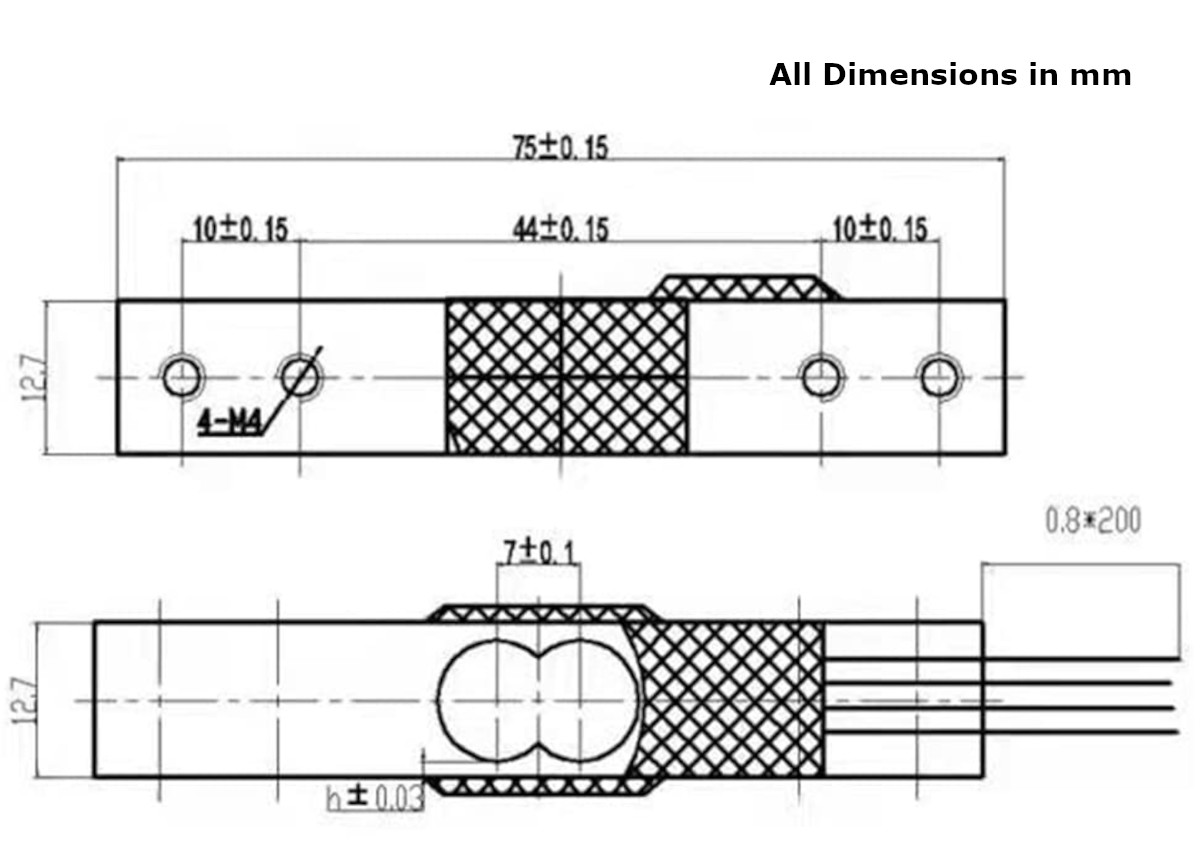
Robust Construction and Easy Mounting The sensor body is milled from a single block of high-strength aluminium alloy, providing an excellent balance between flexibility (for accurate readings) and structural rigidity. The delicate internal strain gauges are safely encapsulated beneath a layer of white silicone sealant to protect them from moisture and dust. For installation, the bar features two pairs of tapped mounting holes—one end bolts securely to your stable base, while the other end bolts to your floating weighing platform.
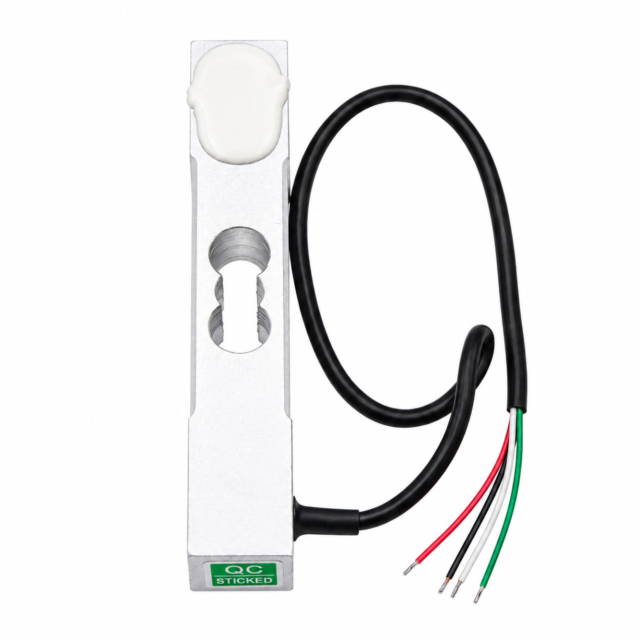
Each straight bar load cell is made from an aluminium alloy and is capable of reading a capacity of 3kg. These load cells have four strain gauges that are hooked up in a Wheatstone bridge formation. The colour code on the wiring is as follows: red = E+, green = O+, black = E-, and white = O-. Additionally, these load cells feature through holes for mounting purposes.
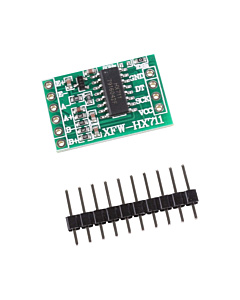
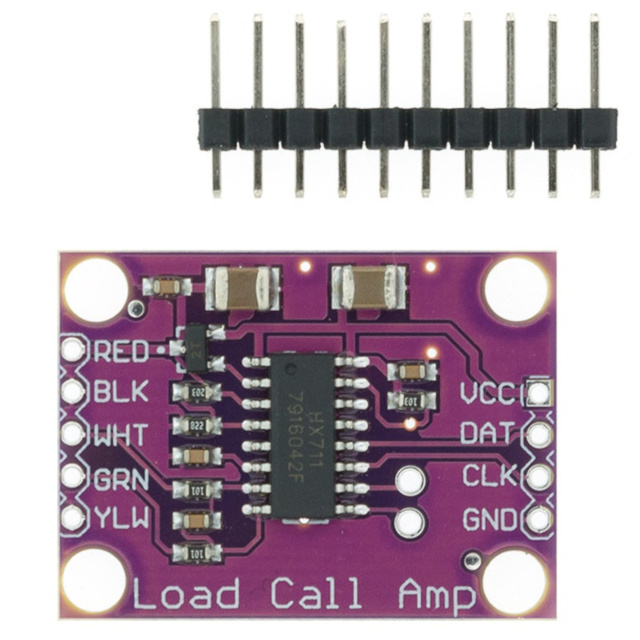
Use this sensor using our HX711 Breakout Board to amplify its signal and connect it directly to an Arduino/Raspberry Pi or any other general-purpose microcontroller.
Model: CZL-601
Rated Capacity: 3 kg
Material: Aluminum Alloy
Sensor Type: Parallel Beam / Straight Bar
Wiring Interface: 4-Wire (Red, Black, White, Green)
Mounting: Pre-tapped threaded holes on both ends
Output Signal: Analog Millivolt (Requires Amplifier)
DIY Smart Kitchen Scales: Building a custom Bluetooth-enabled scale that sends exact recipe measurements to your smartphone.
Automated Pet Feeders: Monitoring the exact weight of food remaining in a bowl to trigger automatic refills via an Arduino.
IoT Inventory Tracking: Placing bins on top of these load cells to continuously monitor stock levels of screws, beans, or components in real-time.
Unlock New Capabilities (Project Evolution)
Signal Upgrade: Because load cells output a microscopic analog signal, you must pair this sensor with an HX711 24-bit ADC Amplifier module to convert the data into a clean digital signal your microcontroller can read.
Accuracy Upgrade: Calibrate the sensor in your software using a known weight (like a 1 kg calibration mass) to achieve laboratory-level precision in your final build.
Package Includes:
How do I wire this to an HX711 amplifier? The standard wiring is: Red to E+ (Excitation Plus), Black to E- (Excitation Minus), White to A- (Signal Minus), and Green to A+ (Signal Plus).
Can I connect this directly to an Arduino analog pin? No, the voltage changes are in the millivolt range and are too small for an Arduino to read accurately. You must use an amplifier like the HX711.
Which way should it be mounted? There is a green label on the side with an arrow. The arrow indicates the direction of the applied force (gravity pointing down).
How do I physically mount it? You need to bolt one end of the bar firmly to a solid base, and bolt the other end to your weighing platform. The bar must be suspended in the air between these two points to allow it to flex.
What happens if I put 5 kg on it? Exceeding the 3 kg rated capacity can permanently bend the aluminum alloy, destroying the sensor's accuracy. Always use mechanical stops if overloading is a risk.
What is the white paste in the middle? That is a protective industrial silicone glue. It seals and protects the delicate strain gauges underneath from moisture and physical damage.
Do I need to strip the wires? Yes, the tips of the four wires (Red, Black, White, Green) will need to be stripped and soldered to your amplifier board.
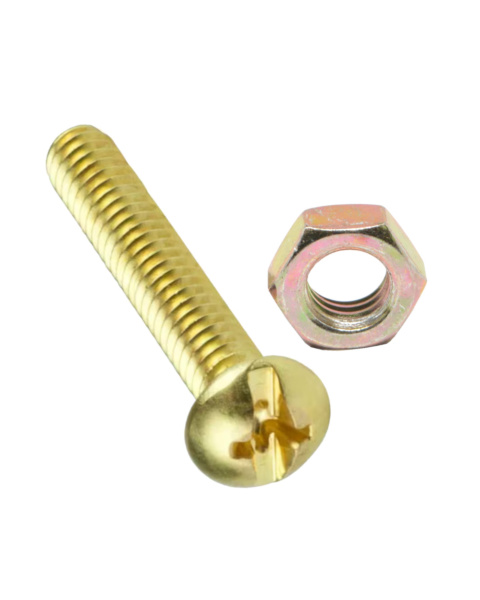
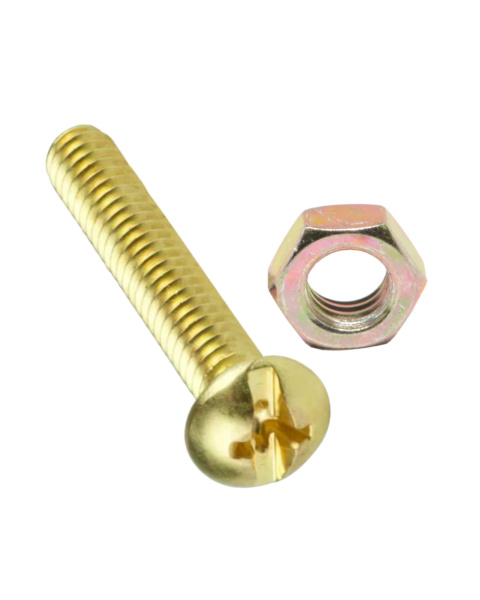
What size screws does it take? These typically use M4 or M5 metric machine screws in the pre-tapped holes.
Can I use it outdoors? While the strain gauges are sealed, the aluminum can corrode over time, and extreme temperature swings will affect the resistance. It is best suited for indoor use.
Is the wire shielded? Generally, these basic load cells use standard unshielded multi-core wire. Keep the wire away from high-power AC lines to prevent electrical noise.
Can it measure tension (pulling force)? Yes, beam load cells can measure both compression and tension, but the typical scale application uses compression (pushing down).
Why is my scale reading drifting? Drifting can be caused by temperature changes, loose mounting screws, or a noisy power supply to the HX711. Ensure your physical mounts are rock solid.
What material is it made of? The main bar is made of a lightweight, highly responsive aluminum alloy.
How long is the cable? The included cable is typically around 20 cm to 25 cm long.
Can I cut the cable shorter? Yes, but changing the wire length slightly alters the resistance. You will need to re-calibrate the scale in software after cutting the wire.
What is a "Wheatstone Bridge"? It is the electrical circuit formed by the four strain gauges inside the load cell, allowing it to detect microscopic changes in resistance.
Can I use four of these to build a bathroom scale? No, beam load cells are used individually. Bathroom scales use "half-bridge" 3-wire sensors placed in all four corners.
Does it measure in grams or ounces? The sensor outputs a raw voltage. Your code on the Arduino does the math to convert that voltage into whatever unit you prefer (grams, ounces, pounds).
How accurate is it? When properly mounted and calibrated with an HX711, it can easily achieve an accuracy of 1 gram or better.
Is the sensor fragile? The aluminum block is tough, but dropping it or twisting it aggressively can break the internal strain gauges. Handle with care during assembly.
| Technical Details |
|
|---|
Probots sells every Electronics Part for your next Project. You can order 10,000+ Electronic Parts Online - Arduino, Raspberry Pi, NodeMCU Development Boards, Sensors, Motors, Motor Drivers, SMPS, Plastic Enclosures etc in India directly on probots.co.in
We delivery electronics components and parts throughout India using standard couriers like Bluedart, Delhivery & India Post.
For order related queries contact -
This item is covered by a warranty of 7 days from the date of delivery, against confirmed manufacturing defects only, as verified by Probots' own testing and investigation. In case of a confirmed defect, we will replace the item — a refund is issued only if a replacement can't be supplied (e.g. discontinued or out of stock). Transit damage or a wrong item received must be reported within 3 days of delivery.
If the product shows signs of misuse, tampering, physical damage, static discharge, liquid or fire damage, use of unapproved chemicals, or has been soldered or physically altered in any way.
China
Probots sells every Electronics Part for your next Project. You can order 10,000+ Electronic Parts Online - Arduino, Raspberry Pi, NodeMCU Development Boards, Sensors, Motors, Motor Drivers, SMPS, Plastic Enclosures etc in India directly on probots.co.in
We offer specialized services for Bulk, Wholesale & B2B Customers like discounted prices, additional shipping options, customised products, etc . Customer with large quantity & regular orders qualify for the specialised discounted rates.
We also offer dedicated sales team to assist you with the order process by providing sales quotations, PI, technical support for choosing products, etc.
Note: Business Orders are processed manually and usually take 1-3 days to process compared to placing the order directly on our website. Please plan your purchases accordingly.
Need Help?
For bulk enquiries contact us by -



Probots Electronics is highly regarded for its highly skilled team and knowledgeable staff who provide expert guidance to ensure customers select the right components for their technical projects. The business maintains a strong reputation for prompt service and reliable support, with many clients praising their quick response times and genuine commitment to customer satisfaction.


A very great place for electronics Such a well maintained shop... Felt good shopping here


Nice

For new developments kit available and they will support till working, and I suggest this place strongly


This place has all the electronic parts students will ever need, staff is friendly and the place is organised.


It was a really nice experience! I was happy to find such a wide range of robotics kits for kids, suitable for different age groups and learning levels.

Excellent experience




Good stuff

Buyed them. But no bargain. Helpful staff.


Available all children school project spears parts like electronics


It was good experience




Staff is very patient and helpful

One of the best place for electronics you will get everything you want! With the best and orginal quality

Very helpful staff and the best place to buy components for projects

Wonderful store with expert service and technically strong people.

Prompt delivery, excellent technical support


Large inventory of electronic components and parts. Well trained service personnel and technicians who can quickly identify and rectify product defect if any. They are a reliable and trustworthy online stores.

A very great place for electronics Such a well maintained shop... Felt good shopping here
Nice
For new developments kit available and they will support till working, and I suggest this place strongly
This place has all the electronic parts students will ever need, staff is friendly and the place is organised.
It was a really nice experience! I was happy to find such a wide range of robotics kits for kids, suitable for different age groups and learning levels.
Excellent experience
Good stuff
Buyed them. But no bargain. Helpful staff.
Available all children school project spears parts like electronics
It was good experience
Staff is very patient and helpful
One of the best place for electronics you will get everything you want! With the best and orginal quality
Very helpful staff and the best place to buy components for projects
Wonderful store with expert service and technically strong people.
Prompt delivery, excellent technical support
Large inventory of electronic components and parts. Well trained service personnel and technicians who can quickly identify and rectify product defect if any. They are a reliable and trustworthy online stores.
● 20 min readVol. 56 | The Heavyweight DC Drivetrain Duel Reliability isn’t optional when you’re designing actuators that need to move actual steel or
Read Article → ● 13 min read
Workbench Vol. 49 🚀 The Project Trifecta: 3 Builds to Start Today We don’t just stock parts; we curate ecosystems. This week’s arrivals are desi
Read Article →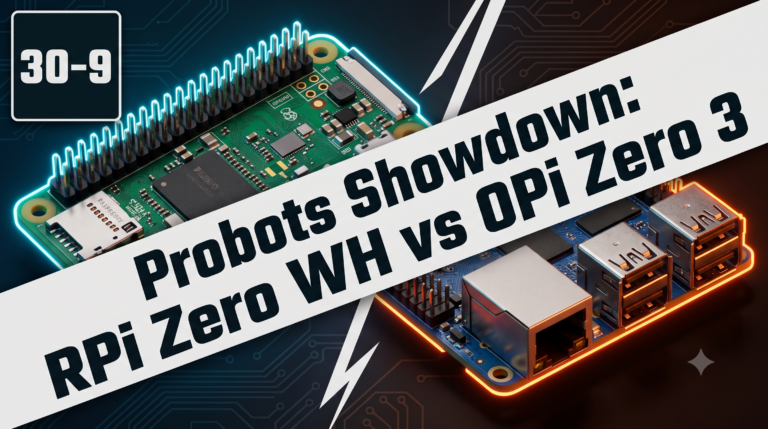 ● 18 min read
Vol. 59 | The Battle of the Bite-Sized Boards Picture a project that needs full Linux, networking, and GPIO—but has almost no room for a conventional
Read Article →